'Rom': Europe's first heritage listed skatepark /  by Tom Oliver Payne

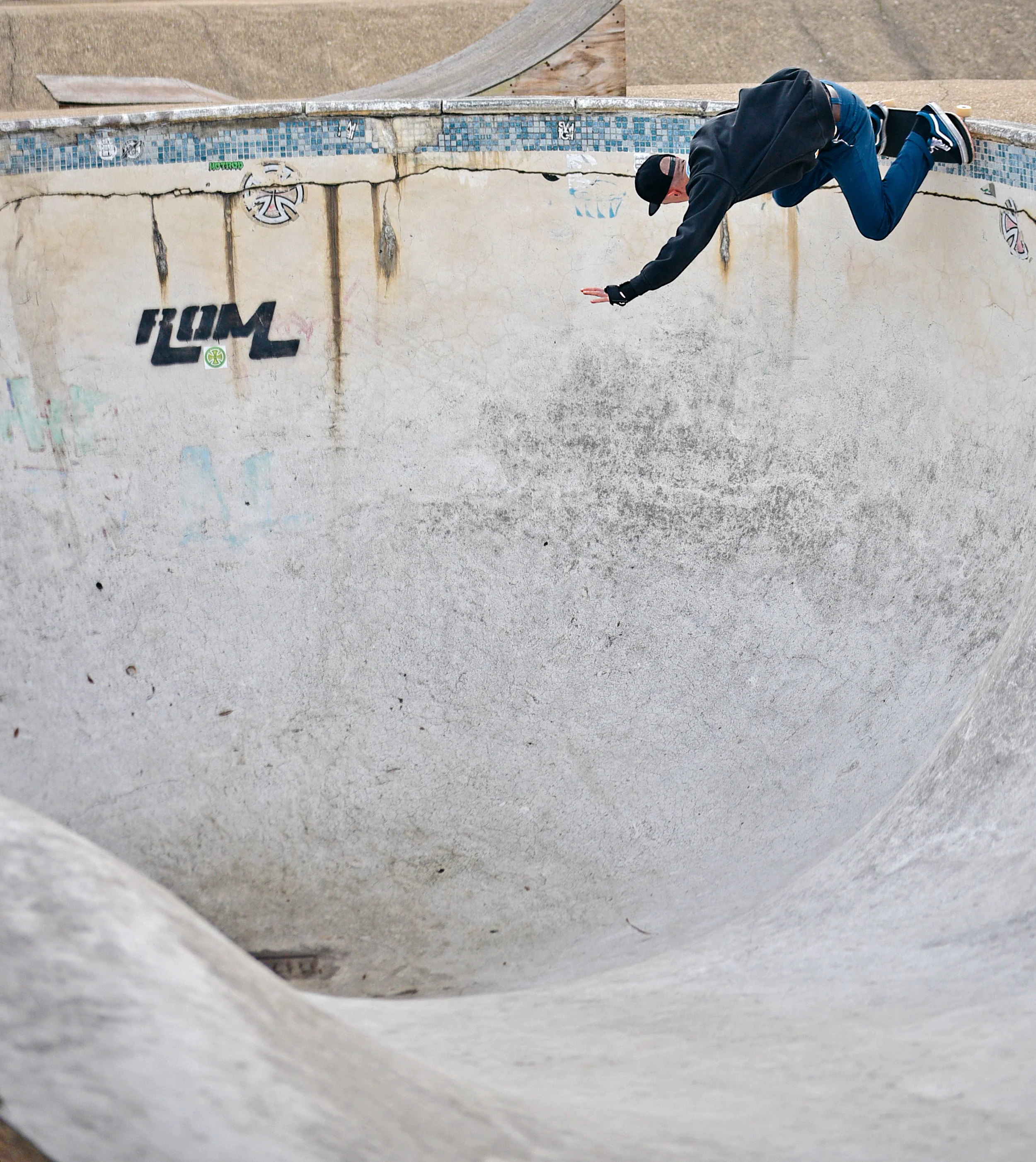
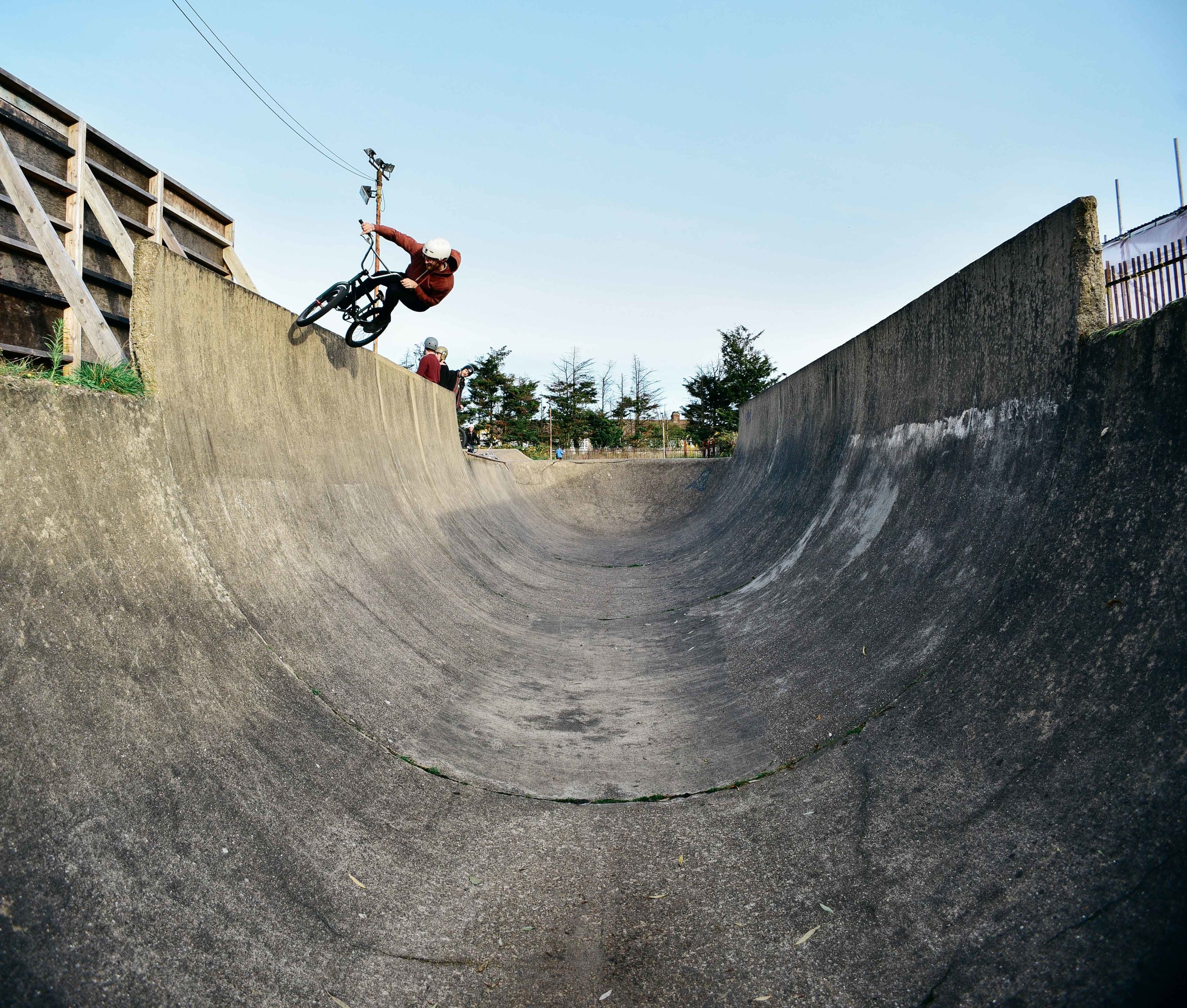
'Rom' is iconic in British skate and Bmx culture. It represents a time when skating was a little more raw – much like its roughness of its own surface.

When I first started sessioning skateparks in the late 90s, it was common to see wooden indoor and pre-fabricated outdoor skateparks in videos and magazines. But every so often an image would pop up of this huge outdoor concrete skatepark in London made up of mogul bowls, pools and downhill snake runs. 

Far from the smoothed surface skateparks being built in the 1990s and 2000s, Rom from back in the '70s was bumpy, rough and raw. I couldn’t wait to one day check it out.
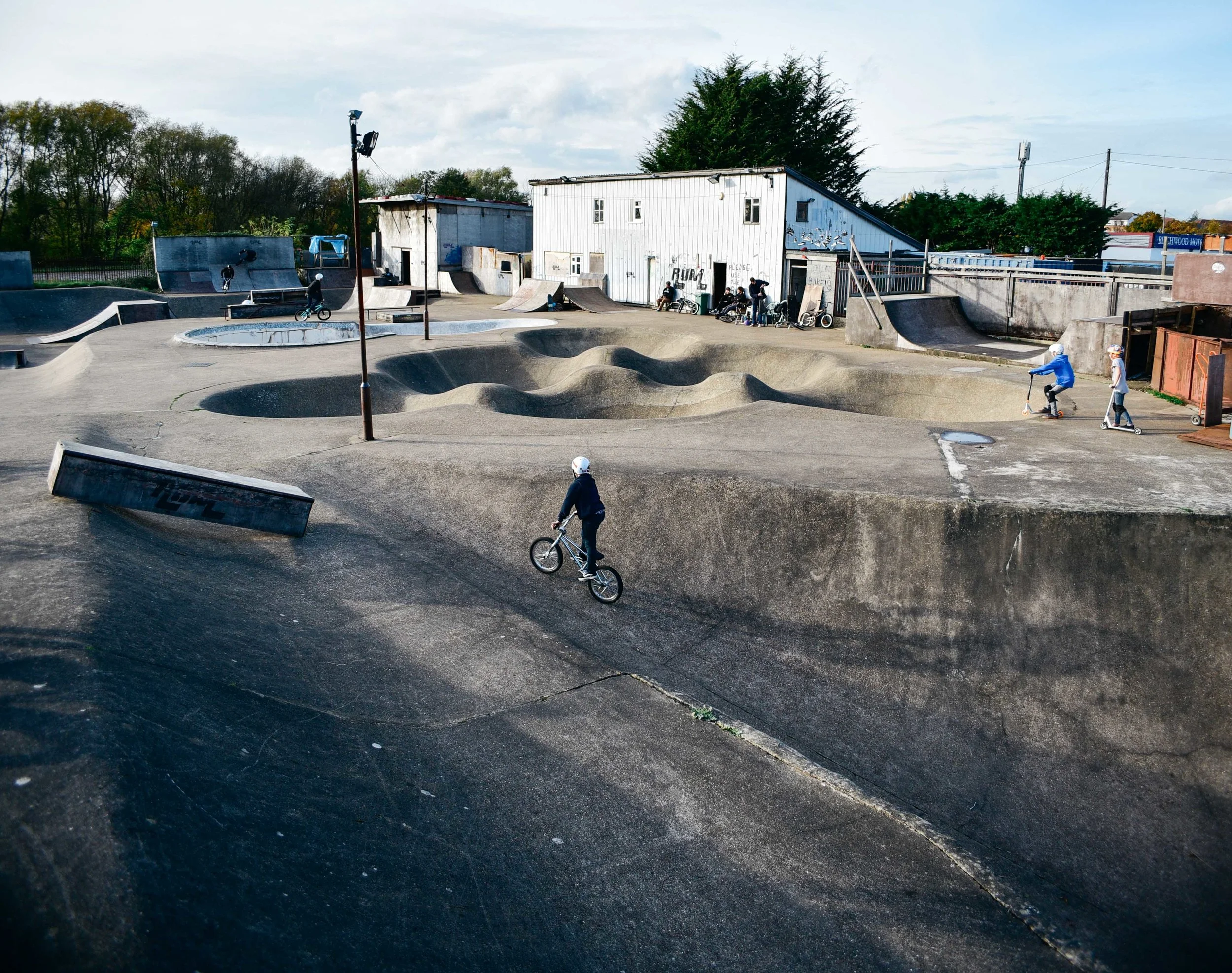
Built in 1977, Romford skatepark has for decades attracted Bmx and skate talent from across the world. 

Built in 1977, Romford skatepark has for decades attracted Bmx and skate talent from across the world. 

Fast-forward 15 years, and I’d still never visited... 

That was, until a text came through last week, “who's up for a Romford session?” A couple of days later a group of us were jammed into the back of a van, heading east towards 4,000 square metres of pure concrete.

It seems the excitement of Bmx and skating hasn't worn off in our older age. Exploding out of the van, we spent hours carving seemingly endless lines over humps, bumps and massive transitions. 

Everything about this place characterised - to me - the early years of skate and Bmx culture. 

Originating from the surf lifestyle of Southern California in the 50s and 60s, early skaters explored swimming pools and concrete drains to surf. Over time, they began creating purpose built parks, which still gave the sensation of carving a wave. Rom – England’s oldest surviving skatepark – is the perfect example of this.

The bowls and snakeruns weren’t created for the modern, tech kid. But they represented the old-school style of skaters who preferred high speed carving lines.
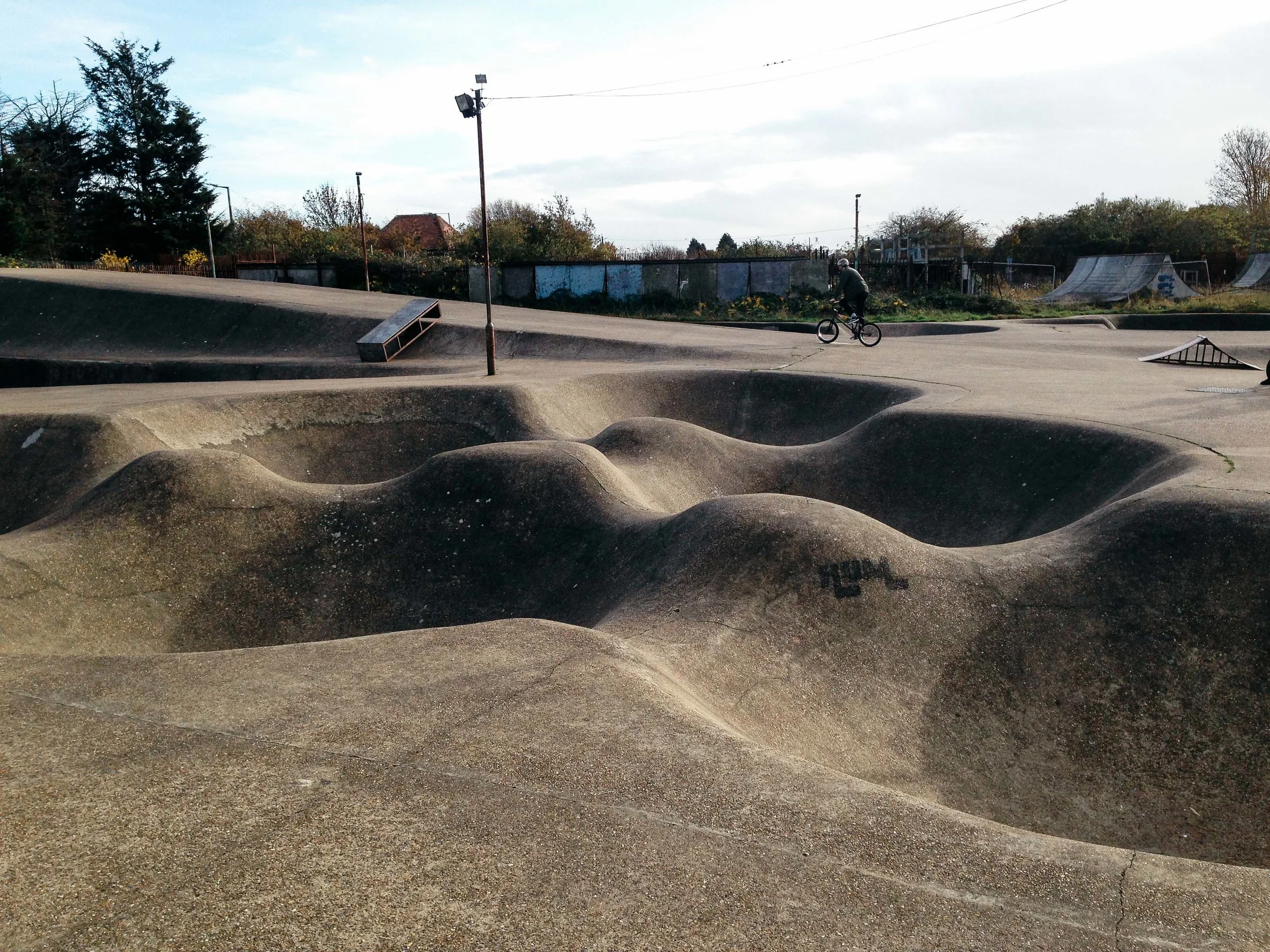
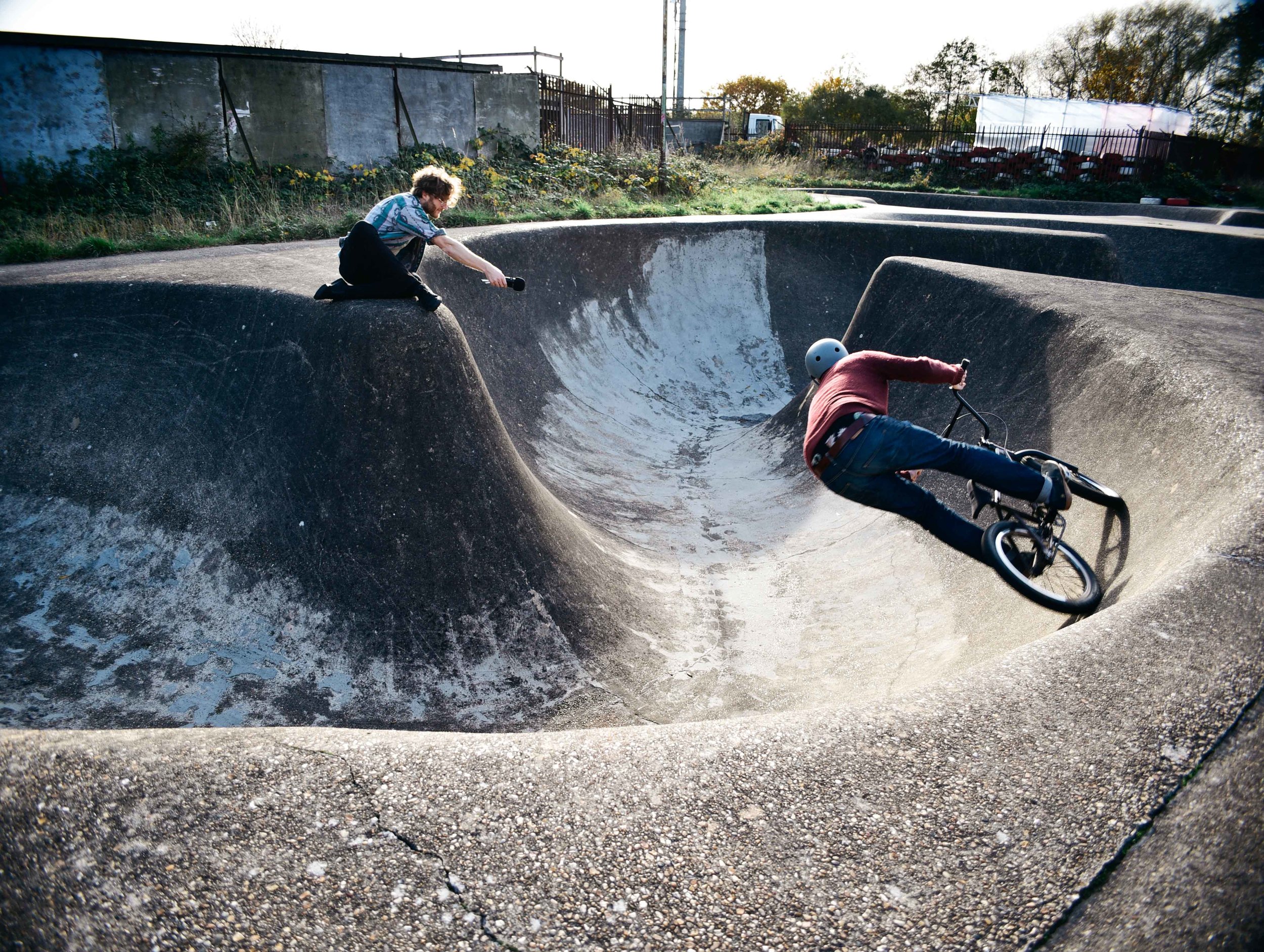
It was no surprise to me when I heard last year that Historic England would give Rom a Grade II heritage listing. The park has become an icon of the British skate and Bmx culture. Although both sports have blown-up into the mainstream in recent years, the park represents a time when skating felt more alternative and raw .

As we hopped back into the van and drove back towards London, I was so psyched to have finally check out this piece of history. With the threat of destruction of loads of amazing parks in recent years, it's awesome to know that at least place is immune. I can't wait for some solid afternoons here in summer 2017. 

For a complete rundown on other incredible places to visit in England, be sure to check out the Your RV Lifestyle's comprehensive list.

Tom
INSTAGRAM


Toronto from above: views from the CN Tower /  by Tom Oliver Payne

I’ve been wanting to visit Toronto, Ontario for years. Not only do I have some awesome friends living there, but with one of the most striking cityscapes in the world, I've been super keen to take a wander through its downtown streets. 

Two weeks ago I boarded a Westjet flight from Gatwick and a few hours later as I was touching down at the Toronto Pearson. As I peered out the train window on my way into the city, I was struck by the size of its building's. With over 2,300 high rise towers, it's now the tallest city in North American behind New York.  

But it was the CN Tower which stood out in particular. Not only is the building monstrous, but it stretches out of the city cluster with a super cool 1970s, retro swag. 

After an initial building boom in the late 19th century, the '60s and '70s saw Toronto undergo its second major urban transformation. As the city refocused itself from manufacturing industries to the services economy, it began tower upwards, rather than just outwards. 

Completed in 1976, the CN Tower became a symbol for the rise of Toronto as an innovative, global city and marked a new era in high rise development of the downtown. 

Standing at over 550 m, the CN Tower held the record of the world’s tallest freestanding structure until the completion of the Canton Tower in 2009 and Burj Khalifa in 2010. For over 34 years it set the bar for tall buildings across the world. 

As my friend Jesse Darling (who also happens to be a Toronto expert) and I ate and drank our way through the city's neighbourhoods, it wasn’t long before I asked if she’d be up for doing something "really, really touristy". 

In just a matter of hours, we were on our way to the CN Tower observation deck to check out the city from above.

20161024-DSC_4127.jpg

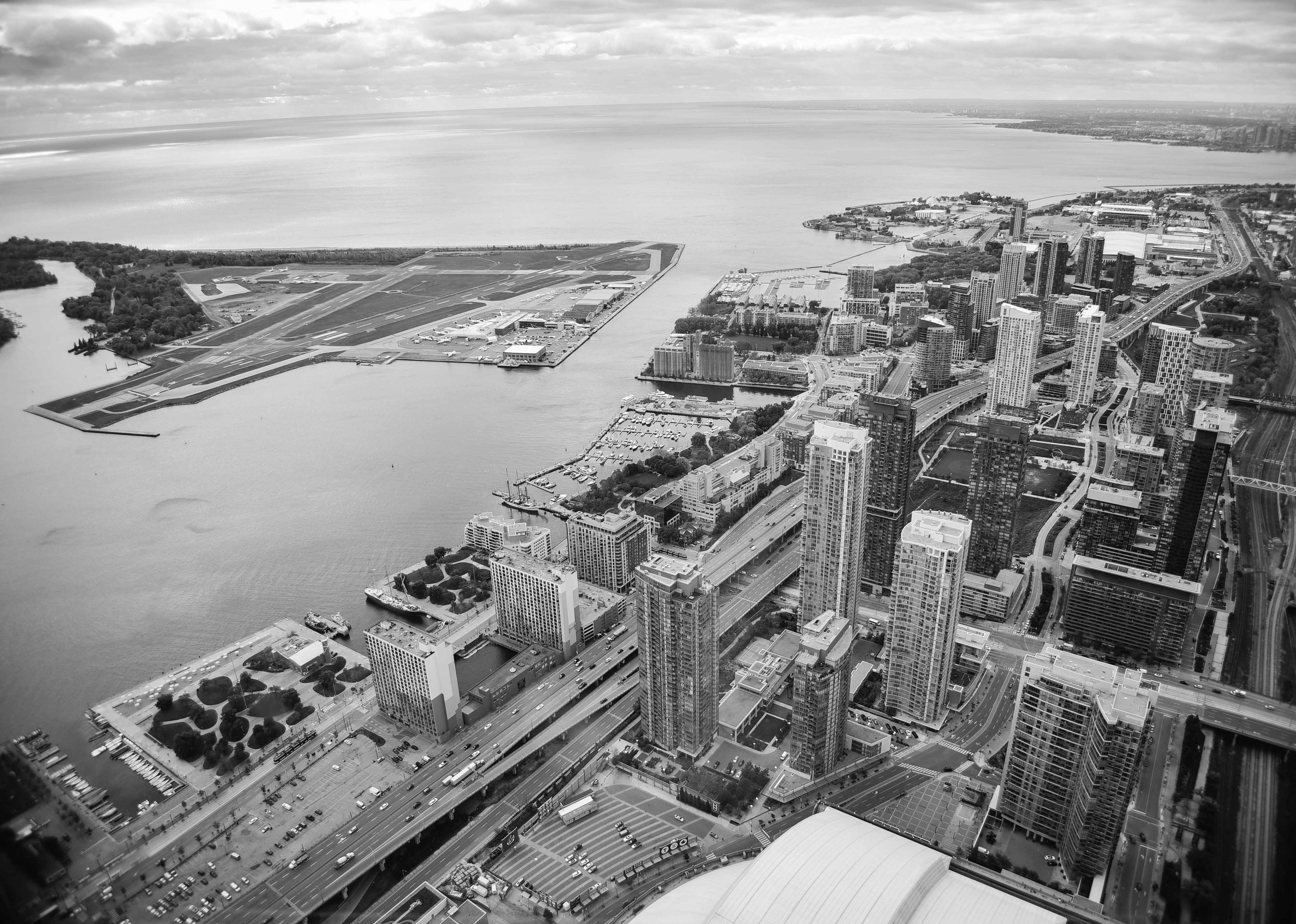
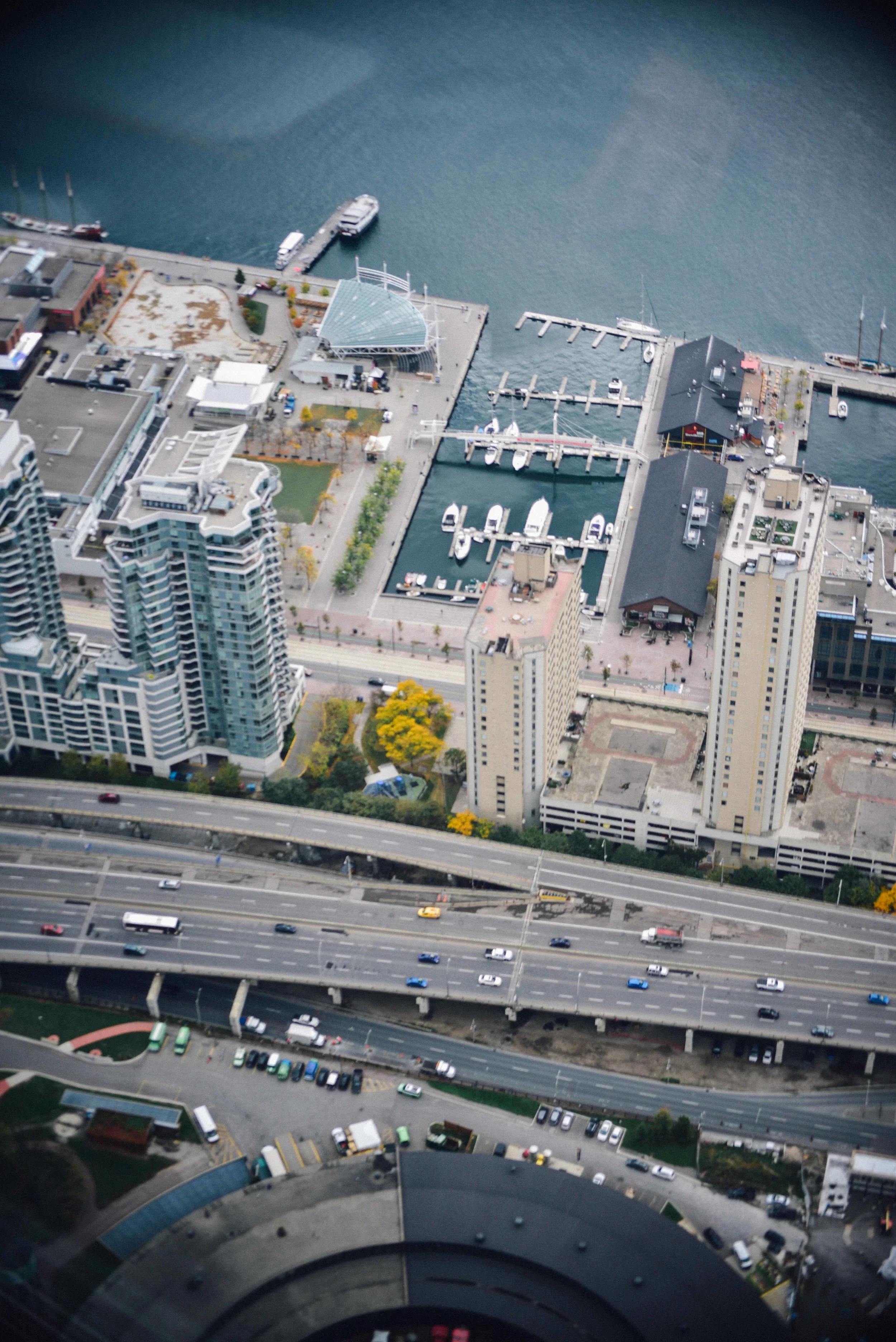
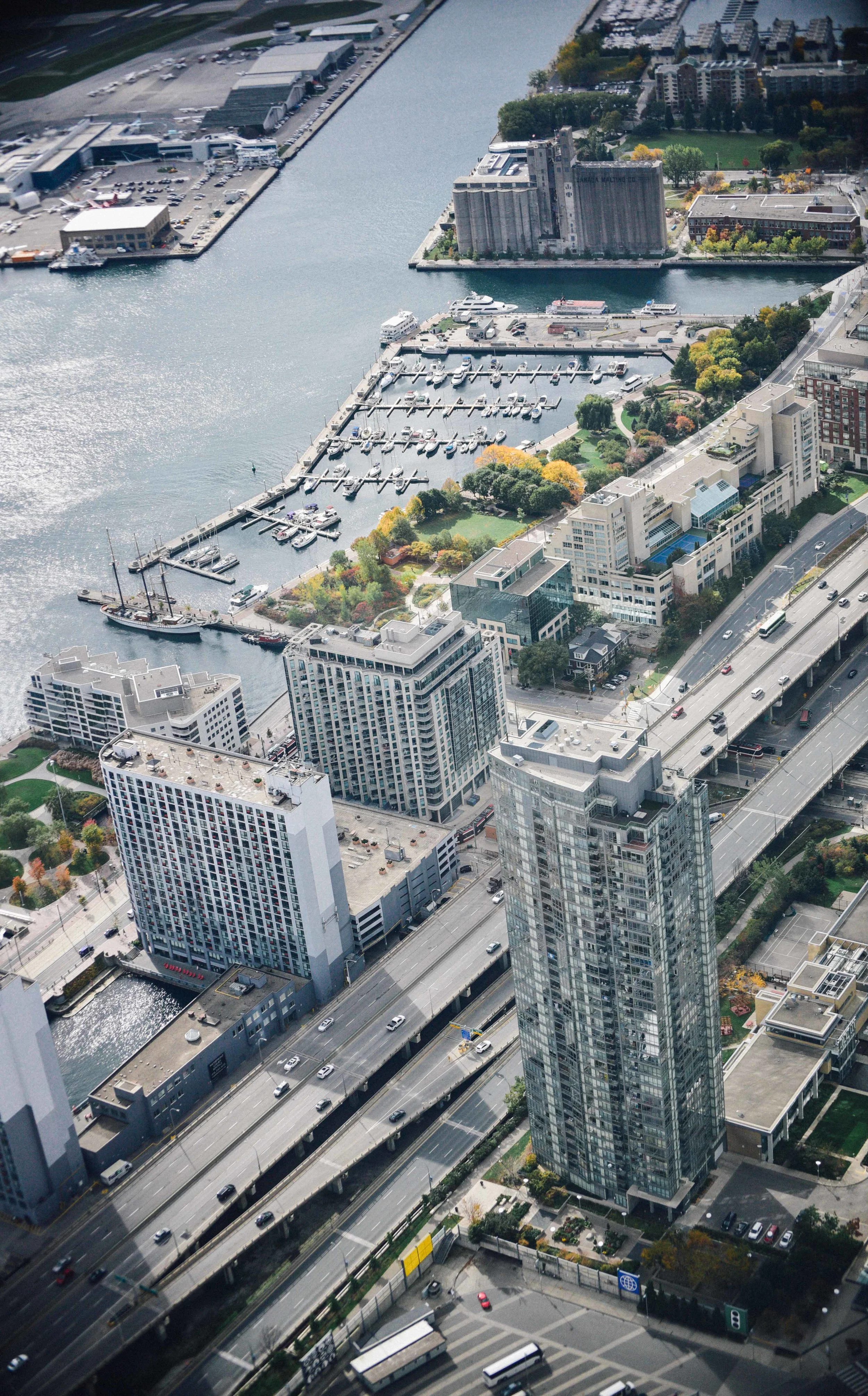
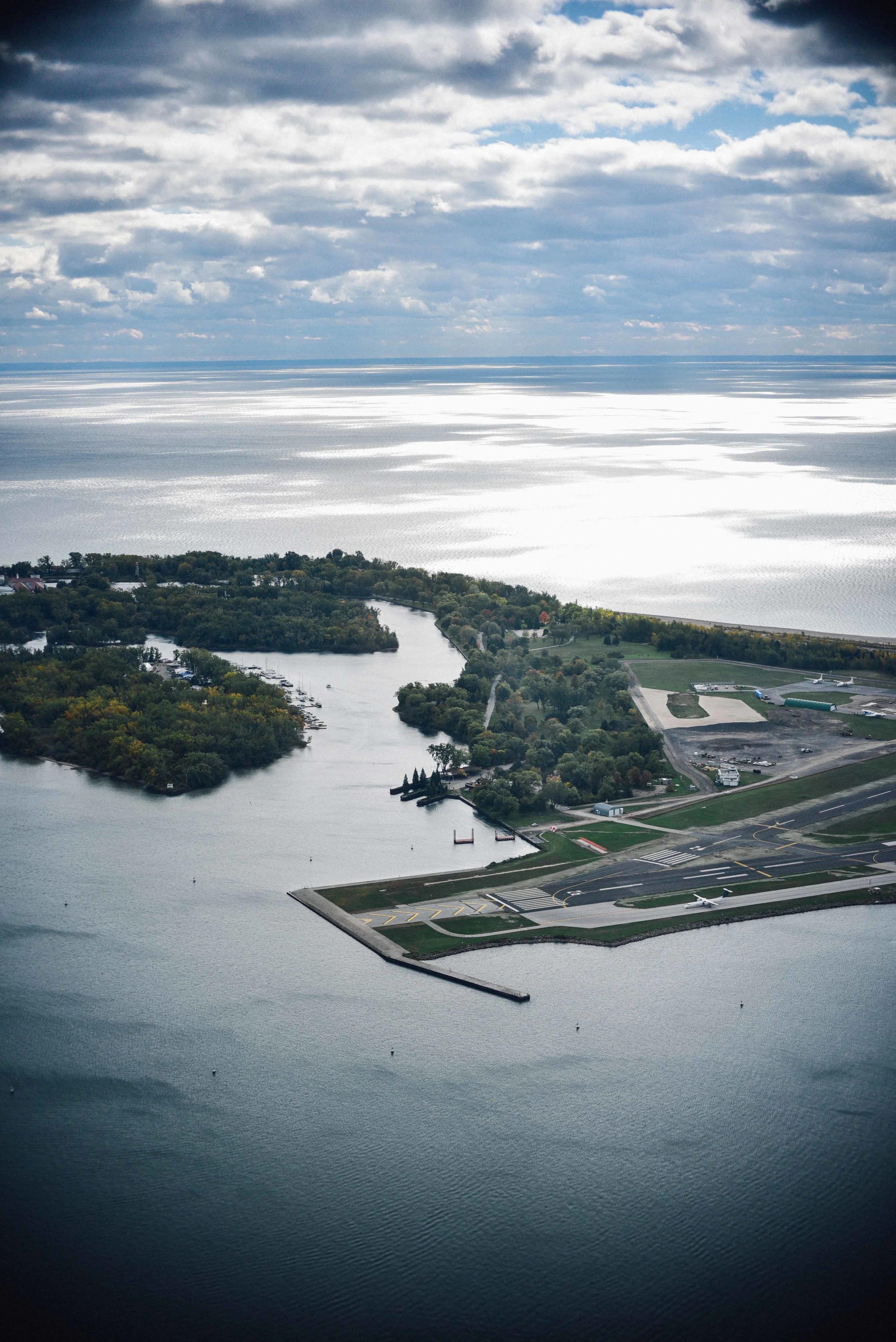
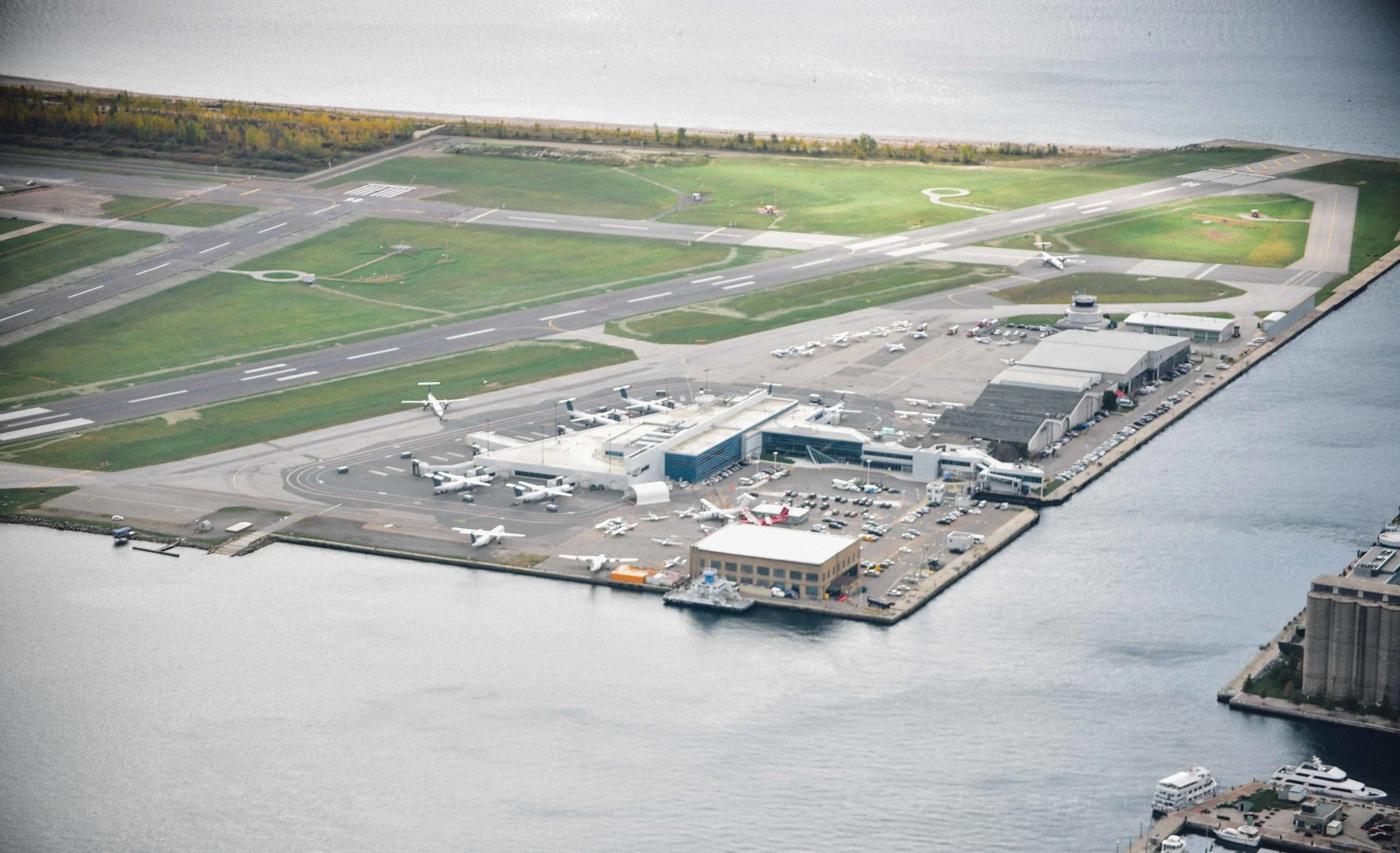
Looking down at Toronto below I could see the intricacy of the city's neighbourhoods, and the beauty of the natural landscape beyond. As towers flood the horizon and 100 more stand under construction, its clear to see the importance planning tall buildings carefully.

Not only can high-rise towers drastically change the look of a neighbourhood, but they can very quickly change the feel of one too. Characterful neighbourhoods which have evolved over many decades can suddenly take on a whole new vibe - often at stake of its old one. 

At the same time however, when located carefully and designed well, tall buildings can add to the beauty and vibrancy of a a city, as well as provide people with needed homes and workspaces. As controversial as it may have been at the time, the CN Tower has - in my opinion -  stood the test of time. And if anything else, gives locals a visual landmark and enables millions of visitors like me to admire the beauty of the city beyond. 

Make sure you check out the YouTube video and photos below. Of course, if you love or hate the CN Tower, let me know in the comments section... Yew!

20161024-DSC_4090.jpg

Photos, video and text all copyright Tom Oliver Payne. Music courtesy The Postal Service. 

INSTAGRAM


What would Ernő Goldfinger think of Balfron Tower today? /  by Tom Oliver Payne

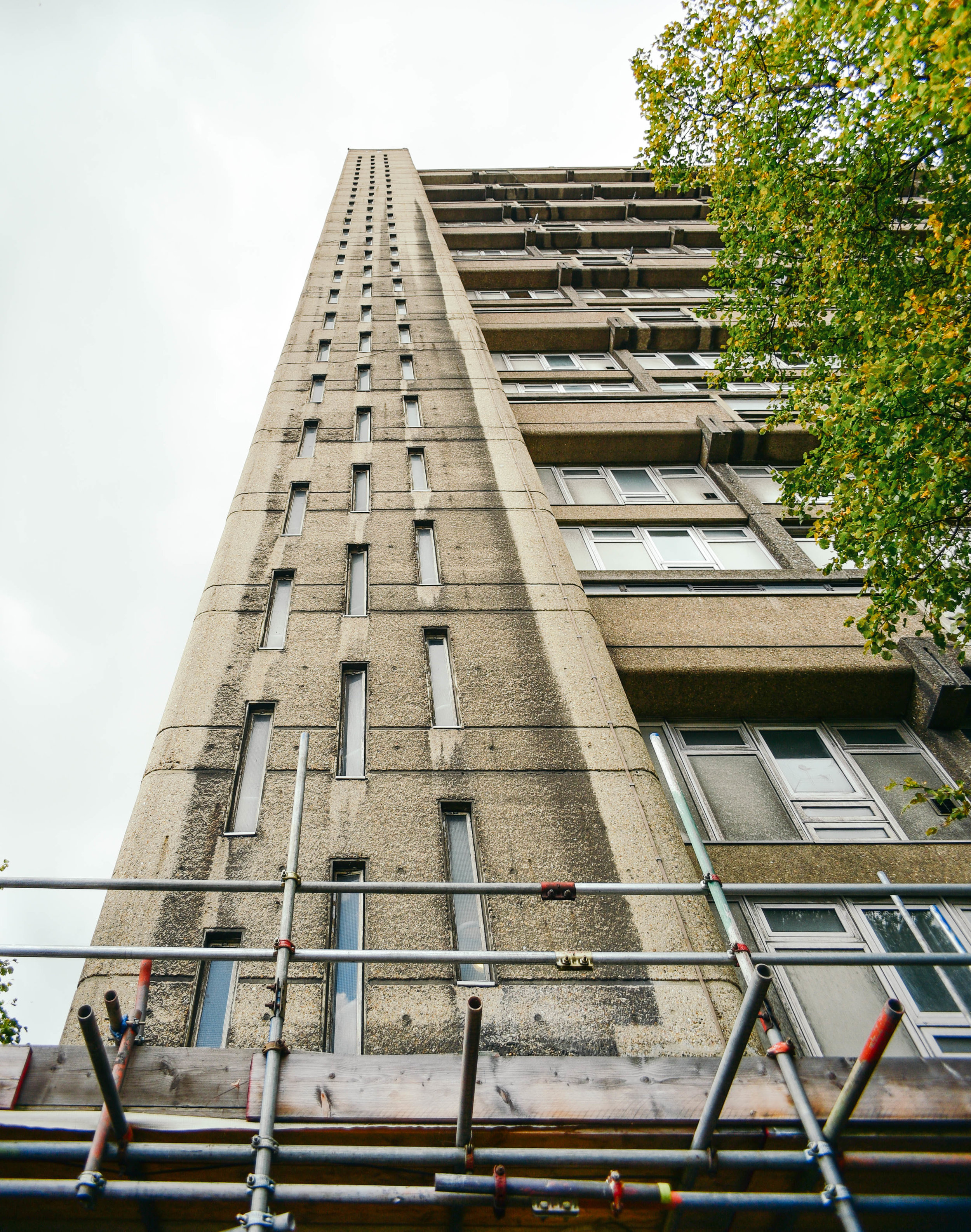
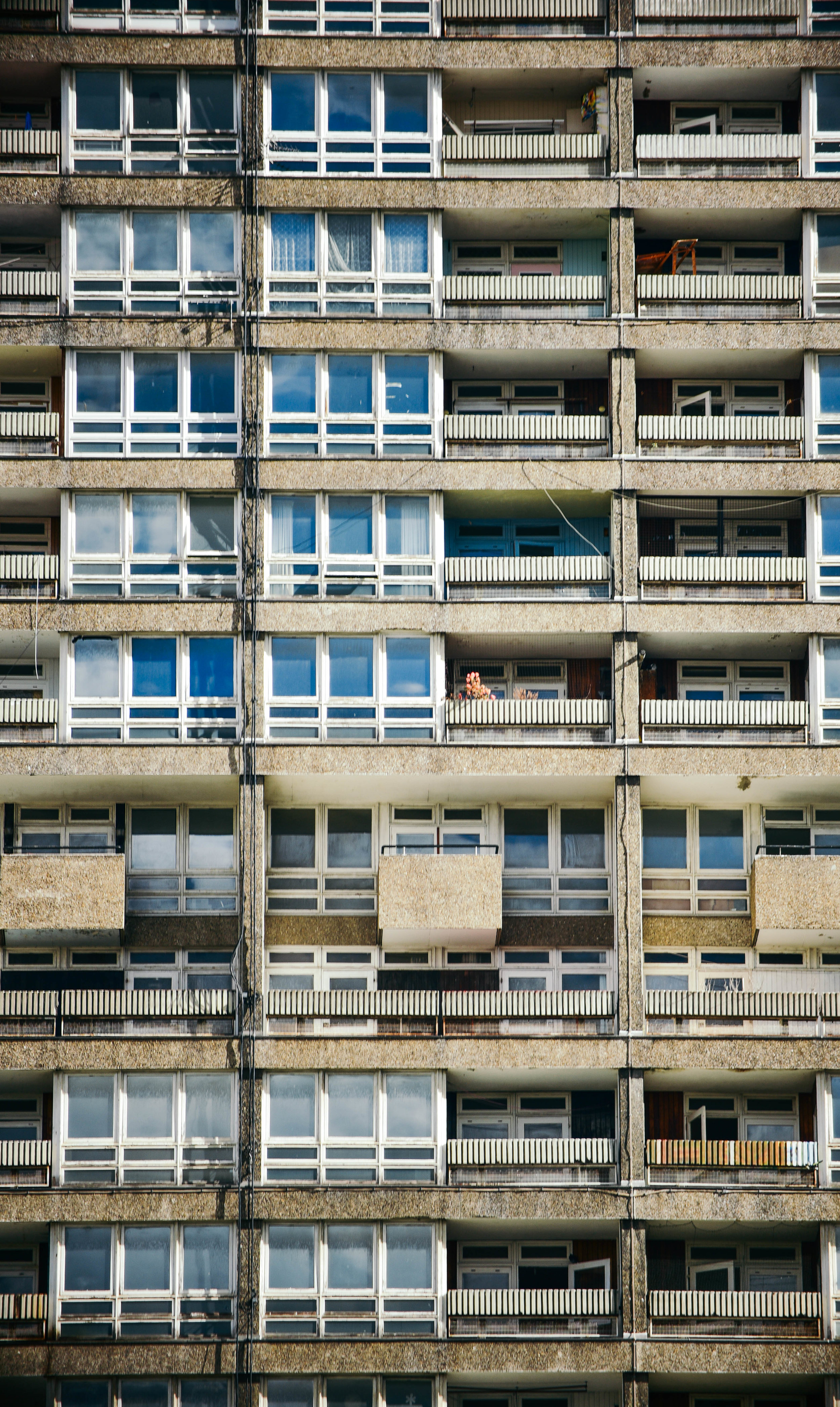
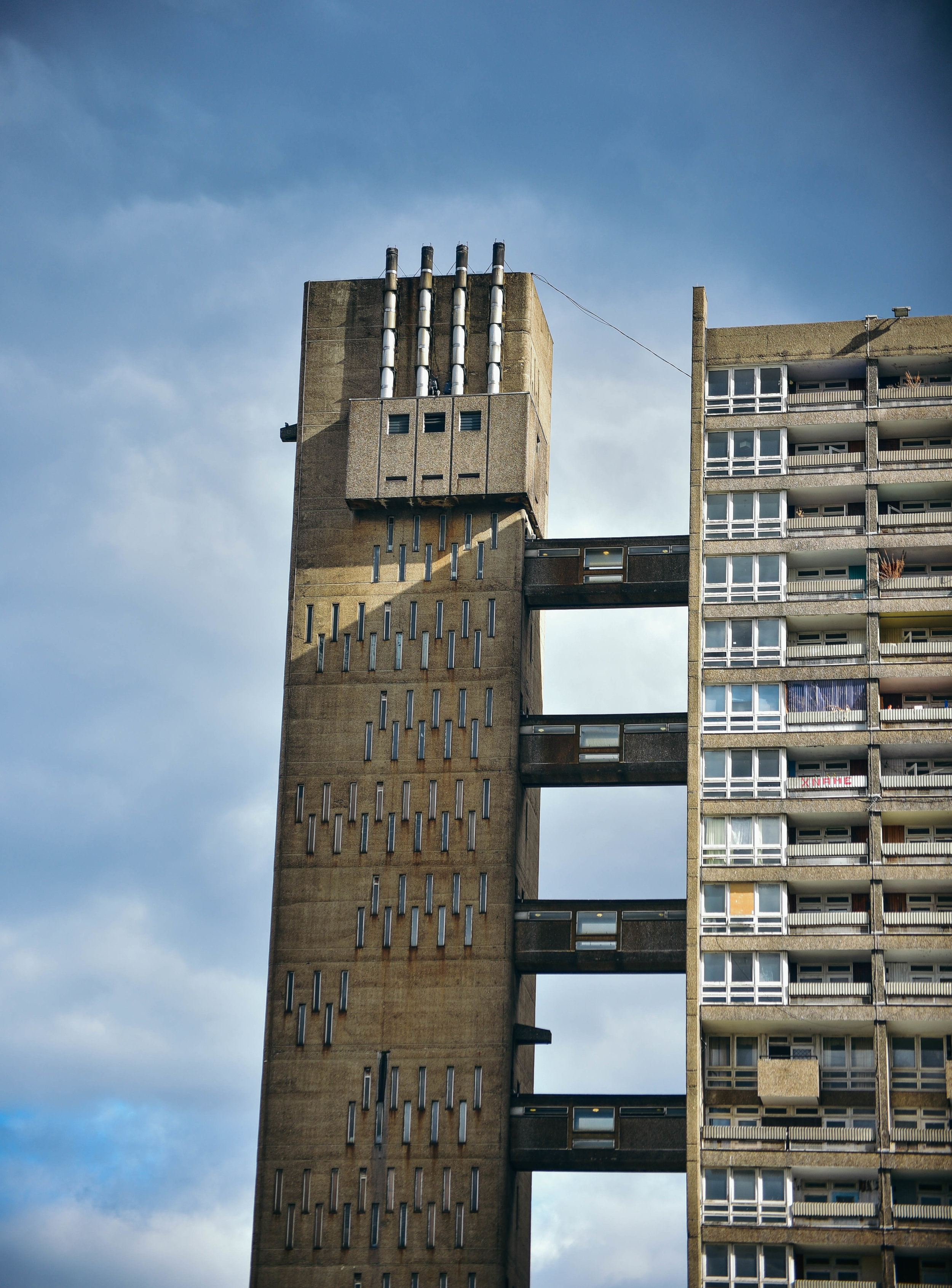
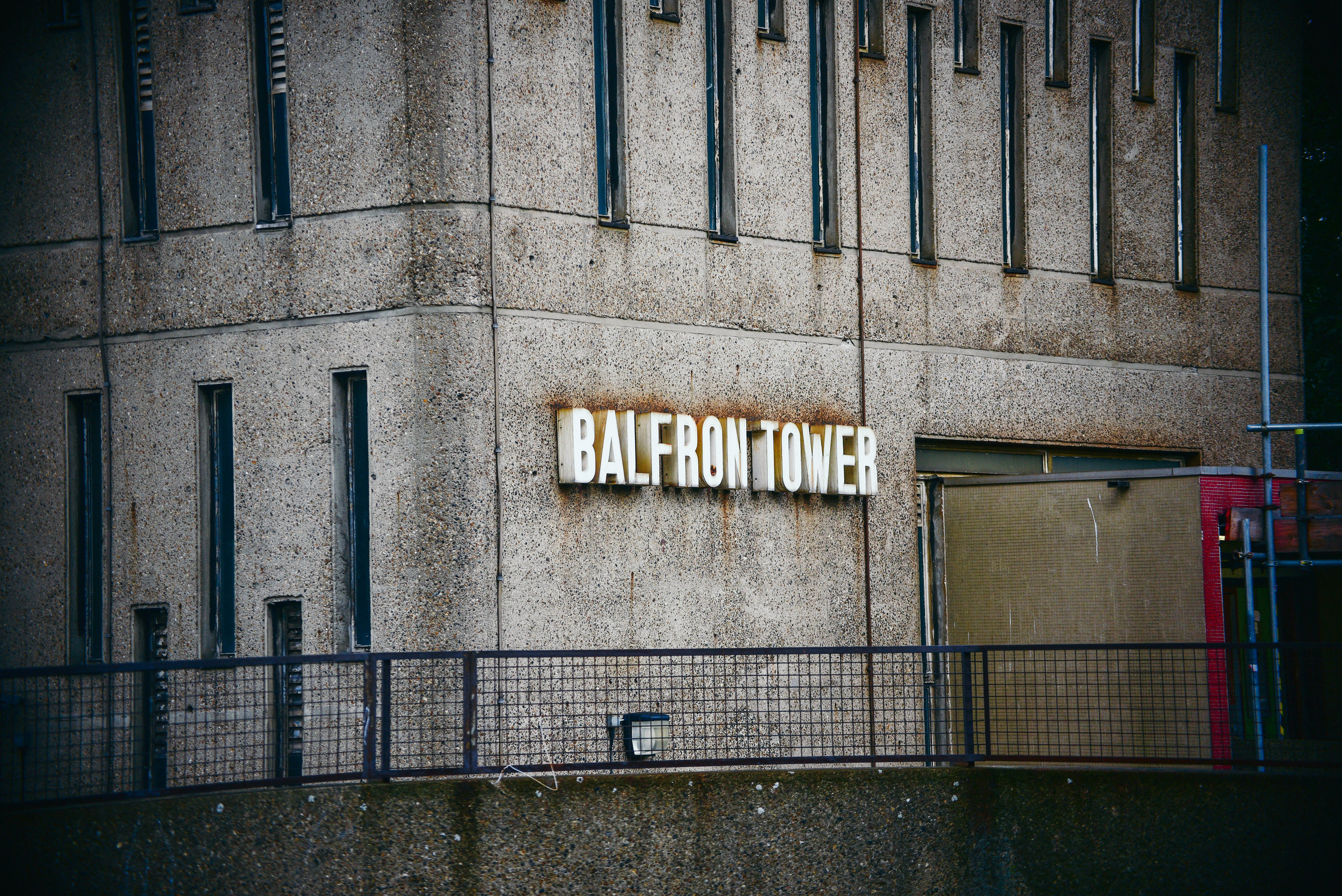
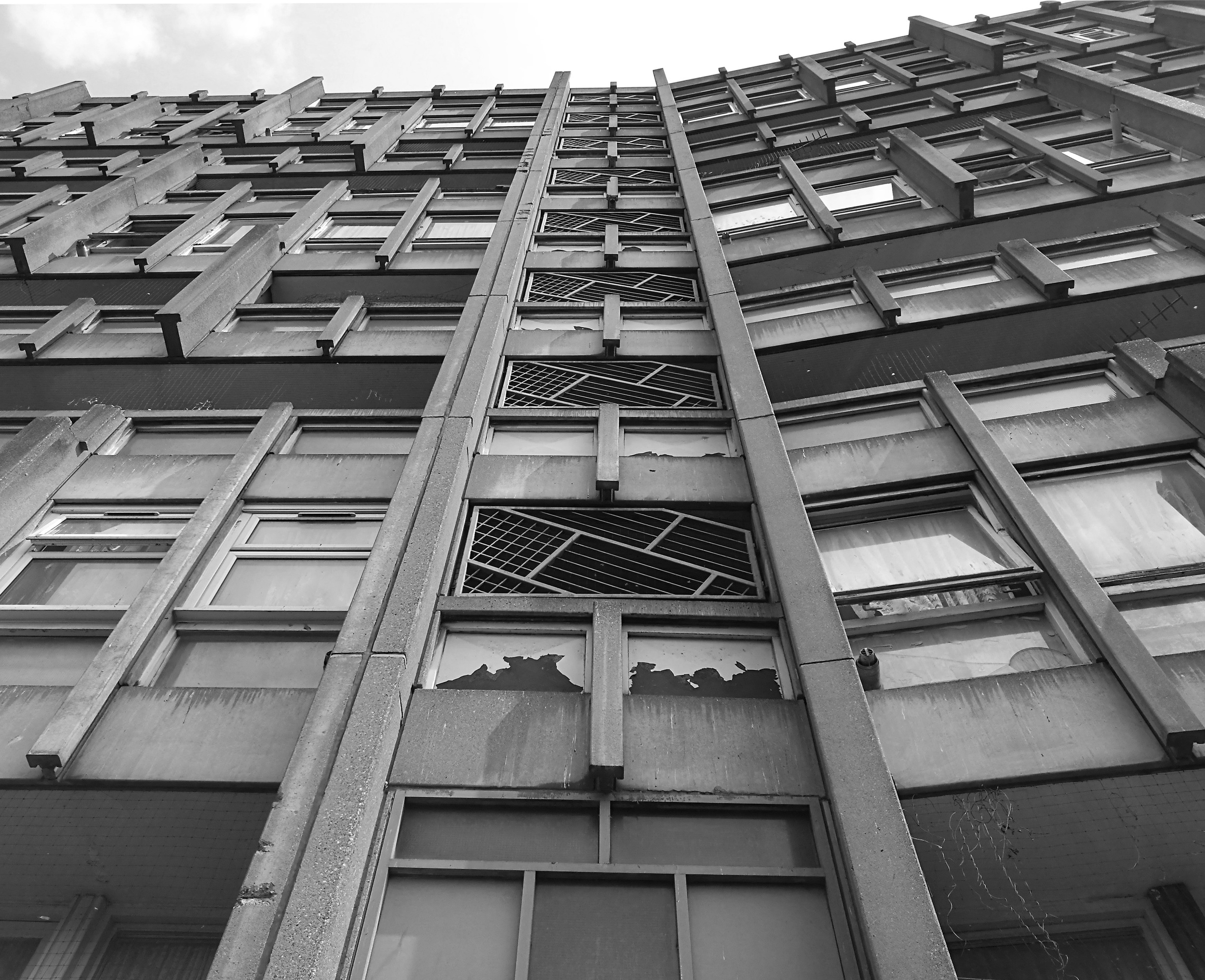
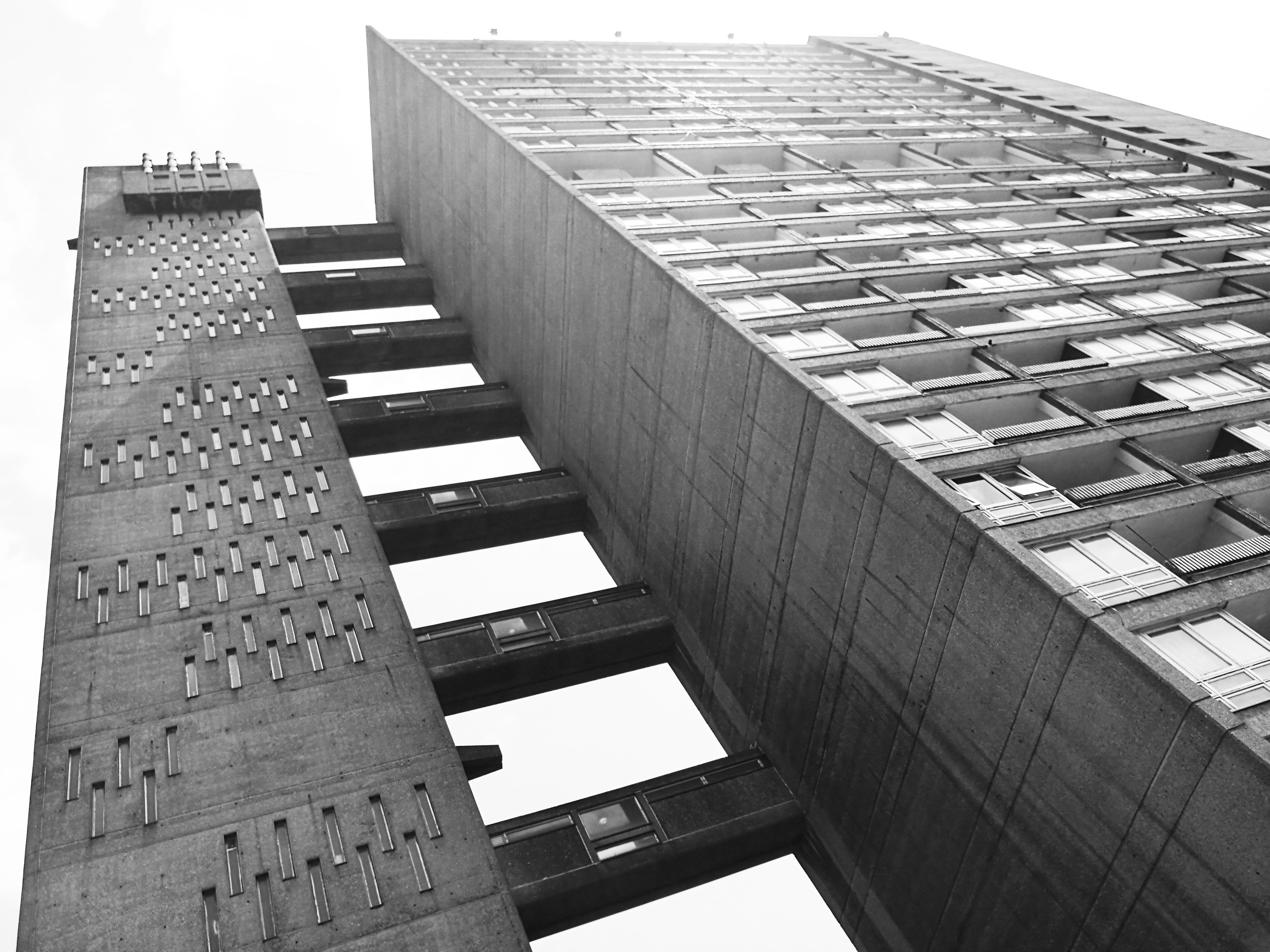
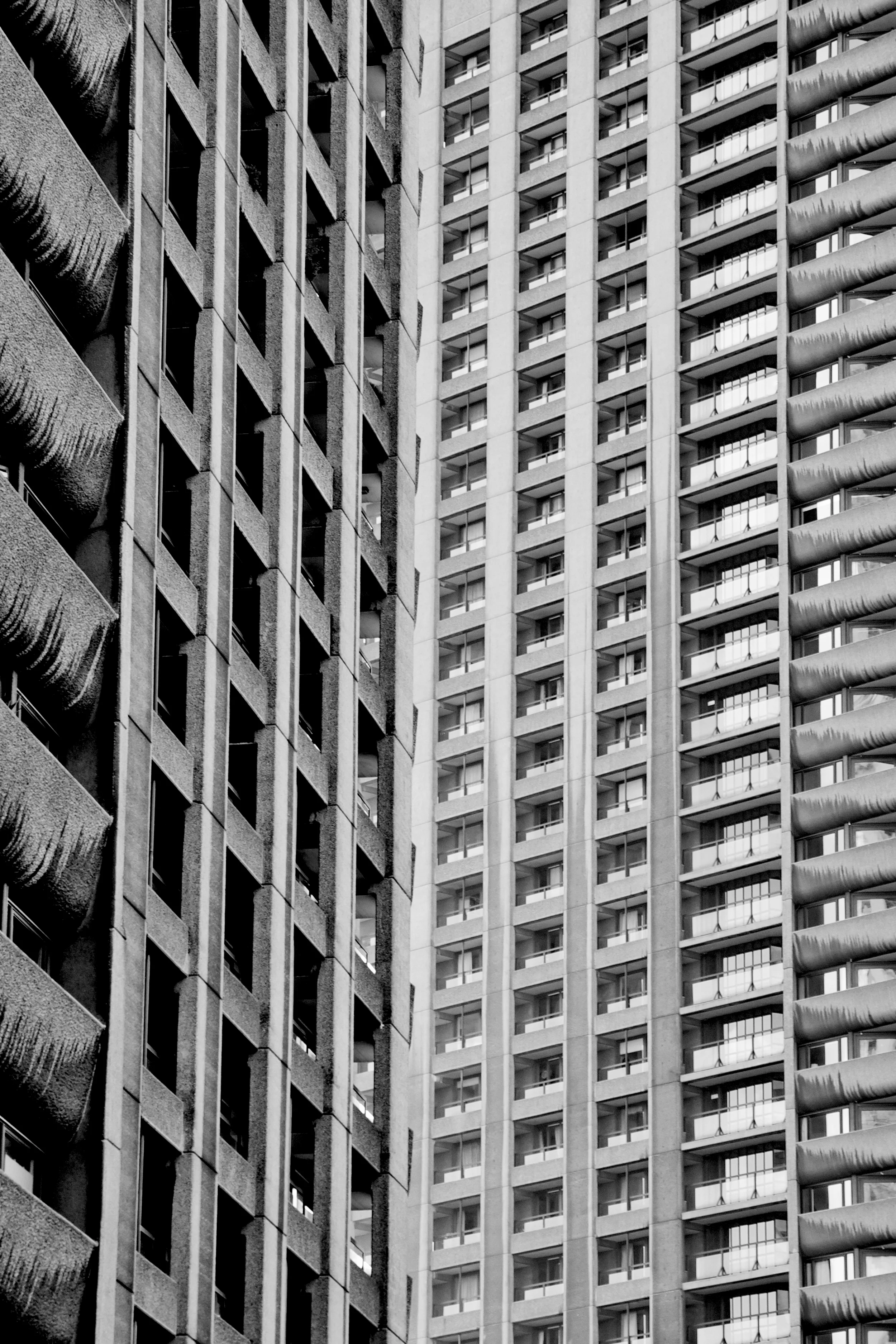
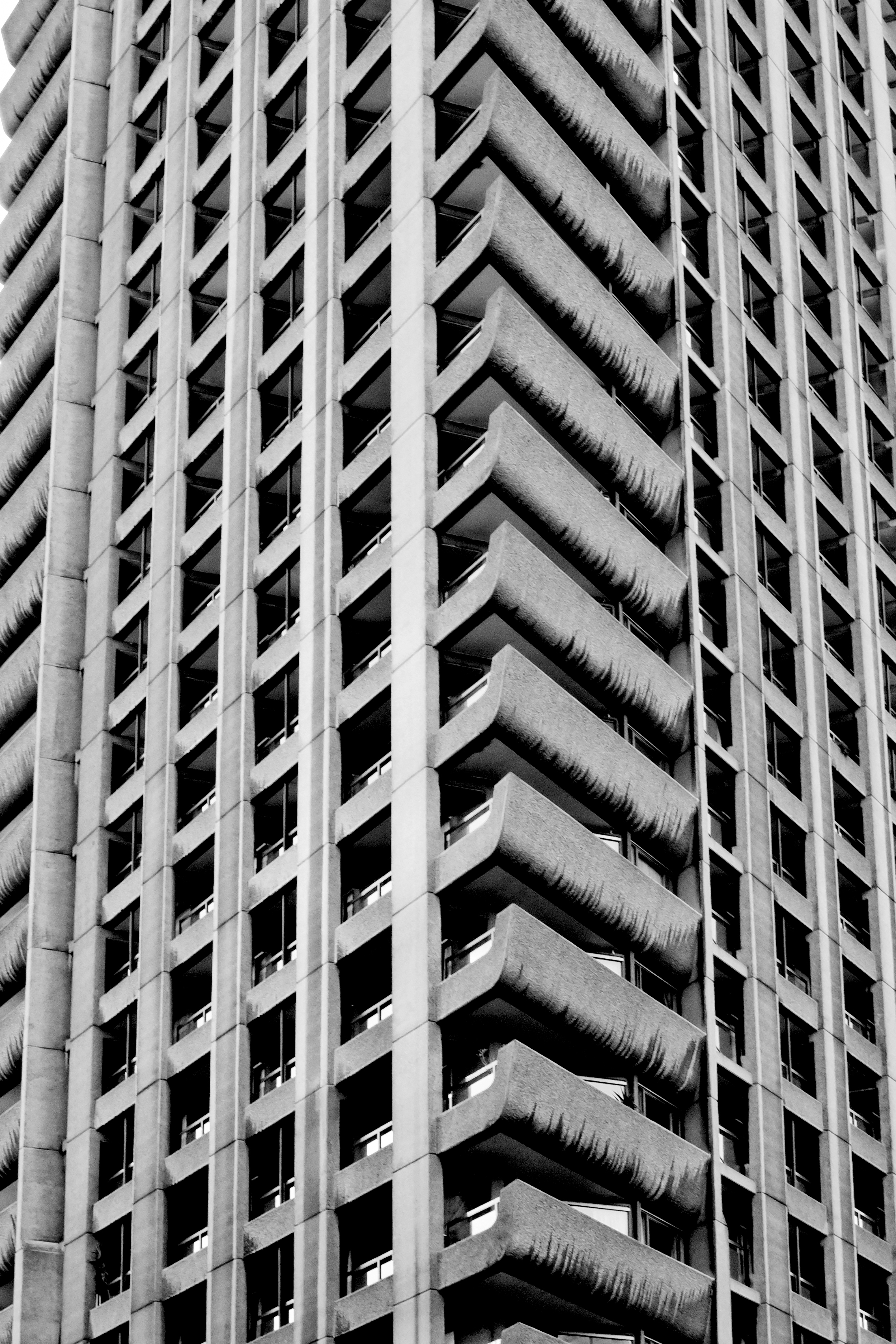
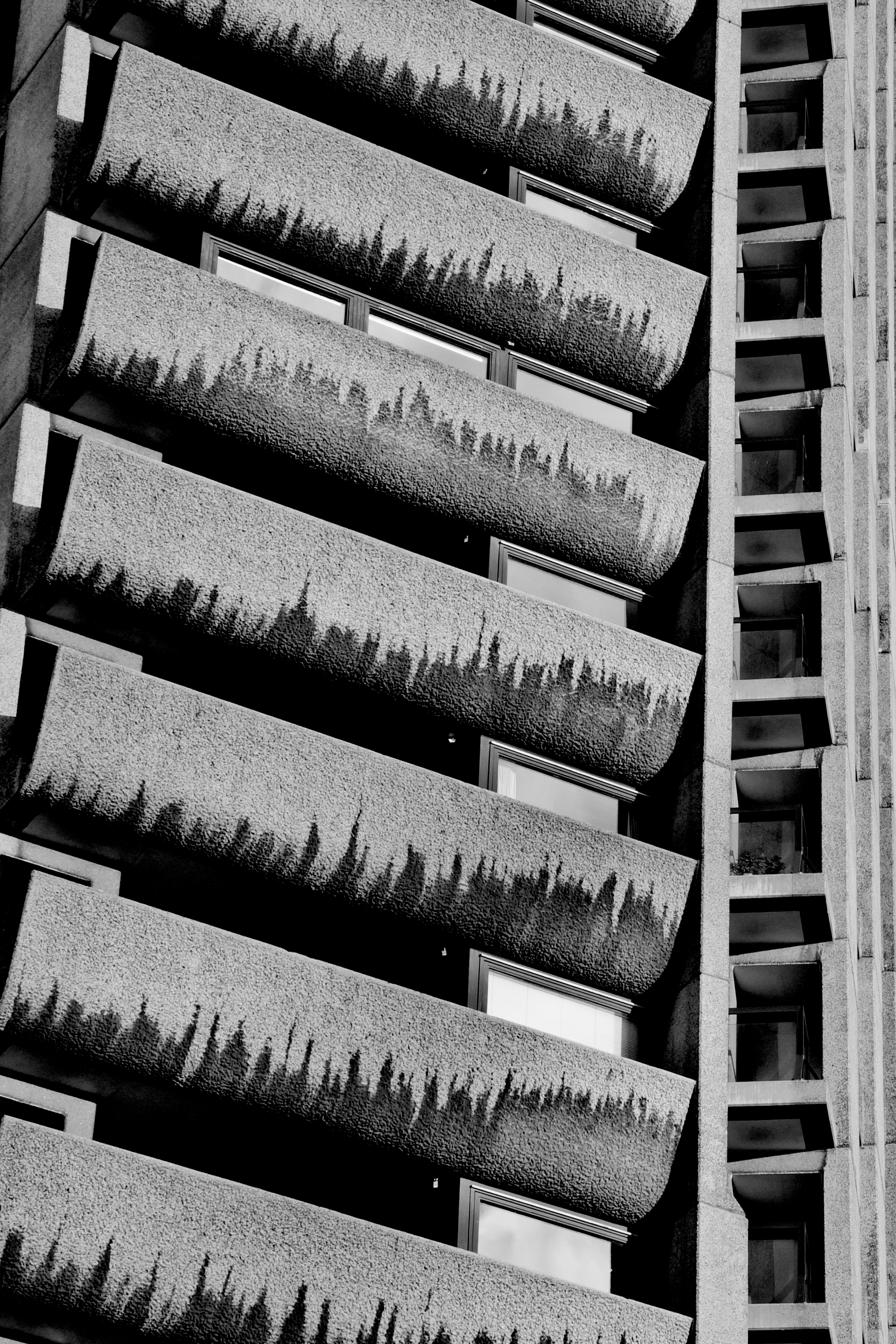
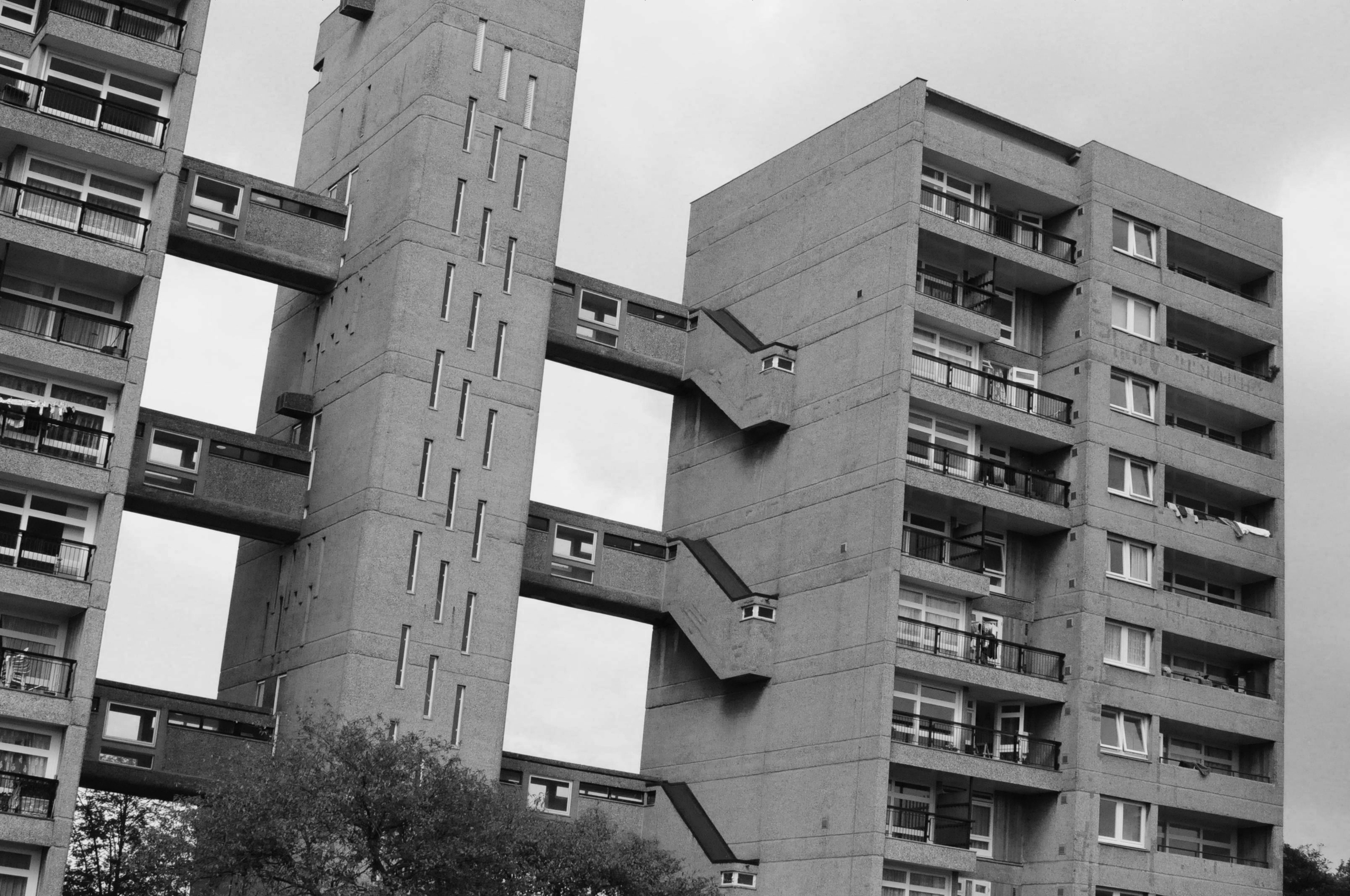
Designed by Hungarian-born architect Erno Goldfinger in 1963, Balfron Tower has become a global icon of brutalist architecture.  

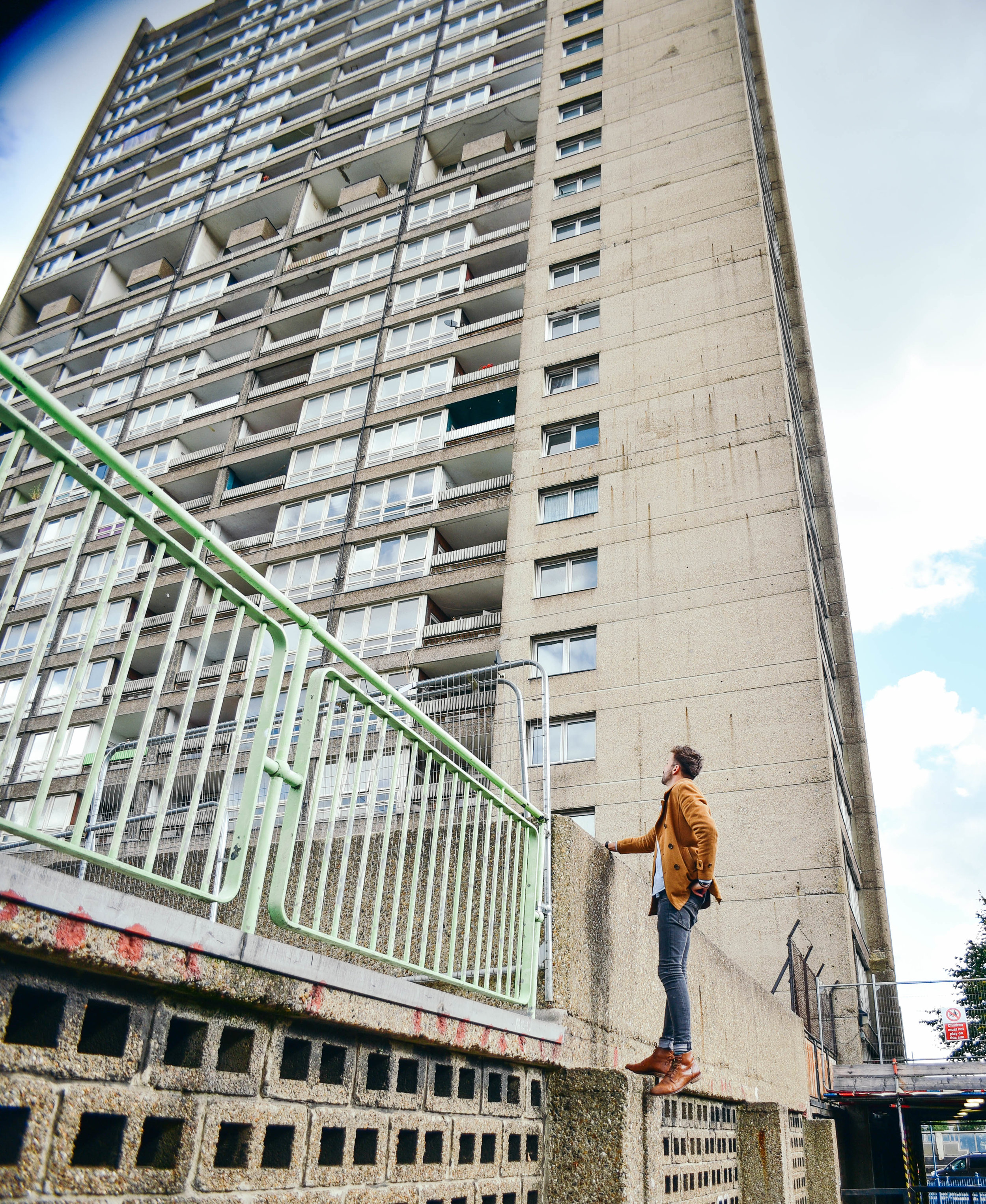
Last week I took off down to Balfron to take some photos. Although slightly smaller than its younger sister, Trellick, standing 26 storeys above East London, Balfron's harsh concrete was visible for miles. 

Walking towards the base of the building, the facade overshadowed me like the sheer of a cliff face. But as the building caught glimmers of the morning sunlight through the patchy clouds above, I became very aware of the elegant sophistication of Goldfinger’s design.

Stood taking photos of the towering monolith above, a man yelled, “what’s the intrigue!?” Sensing he was a pissed off resident, I gave him a simple answer, hoping he would move on. Staunchly walking towards me, he asked again, “what is the intrigue?”

Realising that this guy wasn’t about to just walk away I decided to open up explain to him exactly why I was there. I told him of my interest in Erno Goldfinger’s architecture and why I wanted to take photos of this building in particular.

It didn’t take long before the man’s tone of voice lifted, and his demeanor calmed. Suddenly all he wanted to do was tell me of his love for Balfron. As it turns out, he’d lived in the building for 25 years and was now the last social tenant before its sale to the private sector. 

He told me about the ensuing court case for his eviction, which was bound to come to close in the following weeks. The volume of his words increase as he explained his frustration at the powers and processes above him, this clearly wasn't the first time he'd told someone his story. 

For over 50 years Balfron had housed hundreds of families across 146 affordable housing flats. Now, 145 homes sat empty, and he was the last man standing.

“You wanna come check it out from the inside?” he asked.

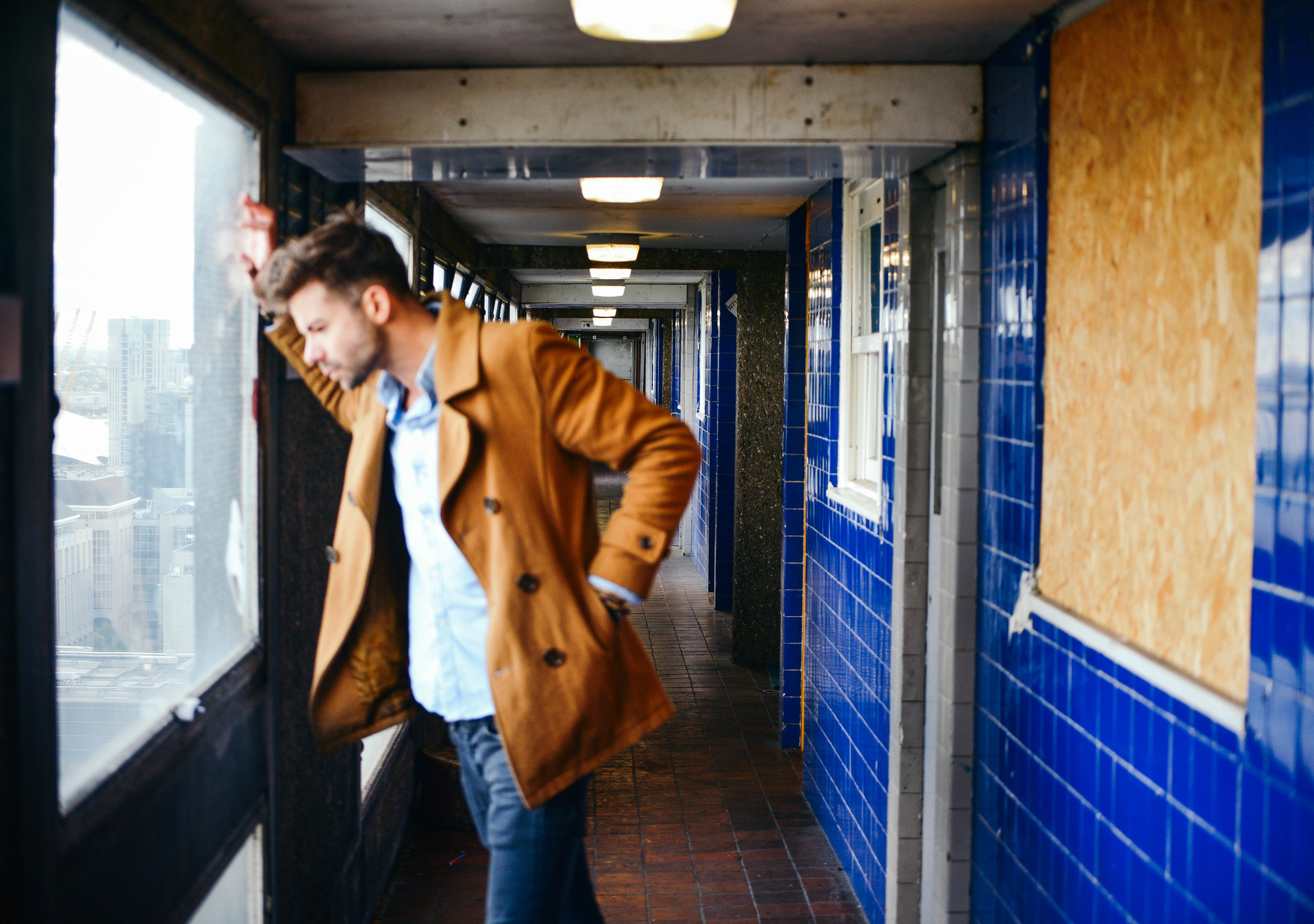
Minutes later we were sneaking behind security and shuffling into the building’s stainless steel elevator. Creaking up to level 26, and stepping out onto the grey, concrete flooring, I was immediately overwhelmed by smells of booze and urine. Fortunately for us the breeze from the awning-hinged windows helped to disperse the smell through the corridors.

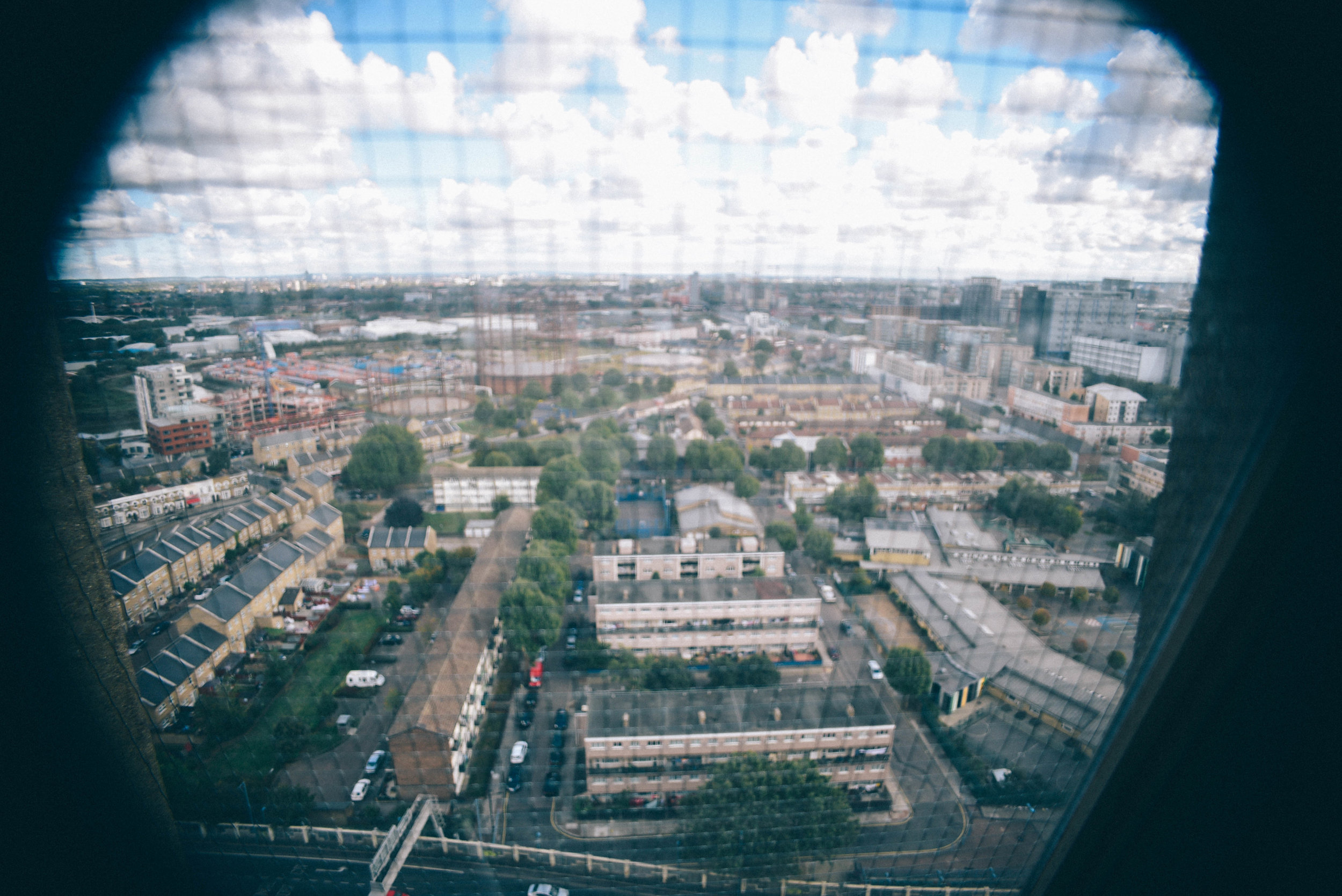
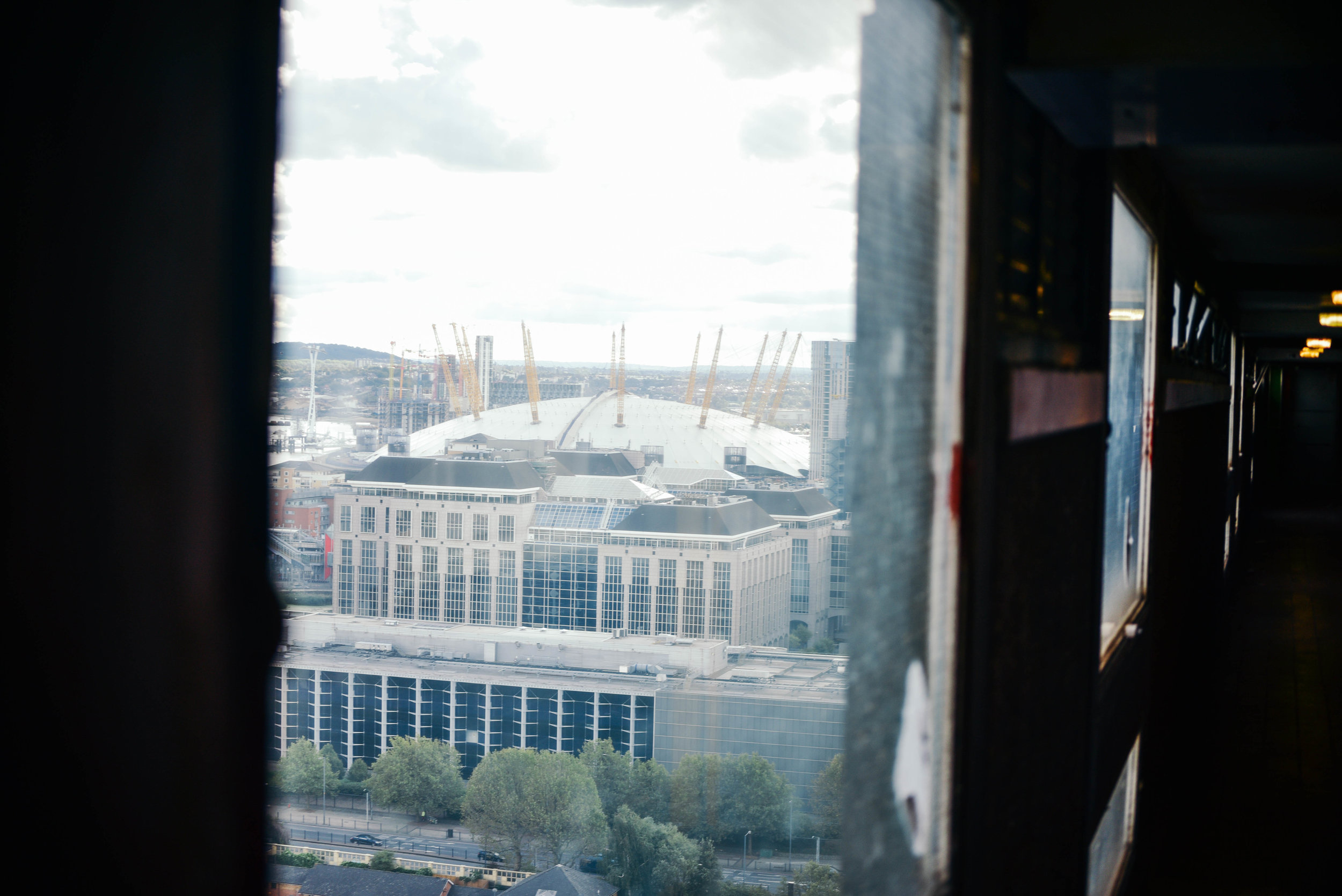
Peering through the horizontal pattern of windows, the view from the top was incredible: Poplar sat quietly below, the city skyline loomed in distance.

As I walked down the long corridors I imagined Erno’s ambition for ‘streets in the sky’, where working class neighbours would socialise and kids would play games. It was too bad, bottles of half drunken bottles of beer and empty NOS canisters now lined the passageways. 

After sometime upstairs, it was a relief to break back into the autumn sunlight. I wondered if I could ever live in a dark, concrete tower like this one. For while I could understand Erno’s ambitions, I could also appreciate where his design concepts had failed. 

In fact, when I first arrived in the UK, I thought brutalist buildings were disgusting. Having grown up in sunny Australia where there's an abundance of low-rise bungalow-style architecture and spacious streetscapes, I often wondered why London’s huge concrete 'ghettos' hadn’t been ripped down and replaced with something more attractive. But over the years, and after some reading, I began to appreciate the ethos behind their design.

Mainly a reaction to the housing crisis following World War II, this form of architecture attempted to help London’s homelessness by creating large, affordable buildings within accessible inner city areas.  While in reality these concepts didn't always work, the ethos - at least - was admirable. 

Balfron's last remaining social tenant is likely to be removed by force in the coming weeks. With few places to go, he told me he will likely be pushed outside of London altogether.

In cities across the world, a lack of affordable housing is forcing young people and those on low incomes to look for housing alternatives. Many are moving out of the cities that they love, whilst others are feeling the impacts of living in a 'rental trap'. 

As the last social tenant is forced-out of one of the world's most famous brutalist buildings, I wonder what Erno Goldfinger thinks of his building, and architecture, today? Would he be ashamed that we now completely ignore the socialist principles of the brutalist era?

I would never suggest that contemporary designers should copy Balfron Tower, or even brutalism, as a concept. But the ambition of its developers, and their architectural boldness, would be something to emulate. 


Photographs by Dan Young & Tom Oliver Payne.

INSTAGRAM


Dawson’s Heights: architecture with social conscience /  by Tom Oliver Payne

Architecture today is generally about making other people big bucks. But Dawson's Heights  reminds us of a time when architecture strived to create a better society through design. 

Land development today basically works like this: an investor will buy a plot of land, they then hire a developer with a track record of maximising value who will in turn hire architect who knows how to maximise floorspace. For the sake of profit, all parties will hope construction is over and done with as quick as possible, and each bit of land will sell for maximum value. Job done. 

But before you call me a pessimist, let me iterate that I don't necessarily think this process is all a bad thing. This process is simply a reaction to our economic market and continual development profits ensures a pipeline of construction and as a result, people - from construction workers to web designers - have jobs. 

Unfortunately however, development is too often, too greedy. Due to the speed and aggression of investors and developers, new buildings and spaces often lack quality design or a social conscience. What we are commonly left with is architecture with few zero-to-no societal benefits, doing nothing more than providing the mega-wealthy some real estate to dump their cash. Property has become more concerned with international asset management rather than the provision of housing or the creation of communities. 

Clearly, we've seen a recent swing towards capitalist-dominated architecture. But it hasn’t always been this way. 

Dawson's Heights' northern block seen from its central public space.

Dawson's Heights' northern block seen from its central public space.

Back in the 60s, architecture in London operated in a very different context. Emerging from the Nazi bombings of World War II, the city was battered and bruised, and thousands were homeless or living in slums. The government took it upon itself to deliver tens of thousands of homes every year through mass redevelopment projects.

While often criticised for their top-down approach to design, no one can argue that they were’t at least ambitious, and at most, incredibly bold.

The Barbican Centre, Trellick Tower and Balfron are some of London’s most famous examples. These brutalist monuments are remnants of a past when - although they didn’t always get it right - architects could at least attempt to solve social problems through creative design. 

Not all of the examples from this time were dominating brutalist buildings. Some were smaller incisions in the existing urban fabric such as Golden Lane Estate, and others were modernist creations which boldly - but appropriately - inserted themselves into the remains of pre-war London.

Last week London opened its doors for Open House 2016 and I had the opportunity to check out one of the most impressive examples. 

A view worth millions: looking from the northern block of Dawson's Heights.

A view worth millions: looking from the northern block of Dawson's Heights.

In 1964, at just 28 years old, architect Kate Macintosh was given the job of designing Dawson's Heights in south London. 

Working for the Southwark local authority, Kate was given a job which today is almost unthinkable - the freedom to design new London housing on a large plot of vacant land. With strongly socialist parents and a clear drive to help generate social justice through architecture, Kate was given the opportunity to deliver a scheme which would stand the test of time.

Clearly, it has. 

Decades later Dawson's heights is now considered 'one of the most remarkable housing developments of the country'. 

As I walked through Dawson's Heights' many street-like corridors, and entered into its beautiful modernist flats, it was clear to me that this building was designed with a different agenda compared to developments today.   

It was built with a genuine ambition to create a community, and a more just society. Every decision that Kate made had logic to it: blocks were oriented to increase sunlight to  flats, room arrangements were such that every flat had a balcony, levels were split to improve acoustics, and the building's form and massing ensured an abundance of green space and views across the city from its public corridors.

Whether through a change in political-will or a shift in the behaviour of our markets, architecture may re-emerge as a discipline which seeks to fix societal problems. 

Until then, at least we have reminders from a time when it did. 

If you're interested in exploring London's most incredible buildings, be sure to check out Open House 2017. 

INSTAGRAM


The best of Oslo's new architecture /  by Tom Oliver Payne

One of my favourite bars in London is called 'Oslo'. It has a super clean design and generally nice aesthetic and it's always filled with really good looking people... I guess the main reason I travelled to the real Oslo last week is because I figured it would be a bigger version of that bar.

While both of these expectations were surpassed, the city's sense of design in particular, far exceeded my predictions. When I stepped out at Oslo Central Station, I found myself surrounded by incredible new buildings encompassing a mix of interesting shapes and sizes. But of course, all details finished with a subtle air of elegance. In true Nordic fashion. 

After two decades of financial growth and a thriving arts and cultural scene, the city is drawing in buyers and investors from around the world. And fortunately (unlike many cities), they're working with some of the best designers to show off their ideas. 

With half the waterfront still under construction, it quickly became clear to me that Oslo is experiencing an architectural explosion. 

Here are my three favourite contemporary architecture projects in the city.

The Barcode Project

The Barcode Project is a huge area of redevelopment along the edge of Oslo's waterfront. Full of mixed-use high rise buildings, it's home to incredible designs by some of Scandinavia's best architects. 

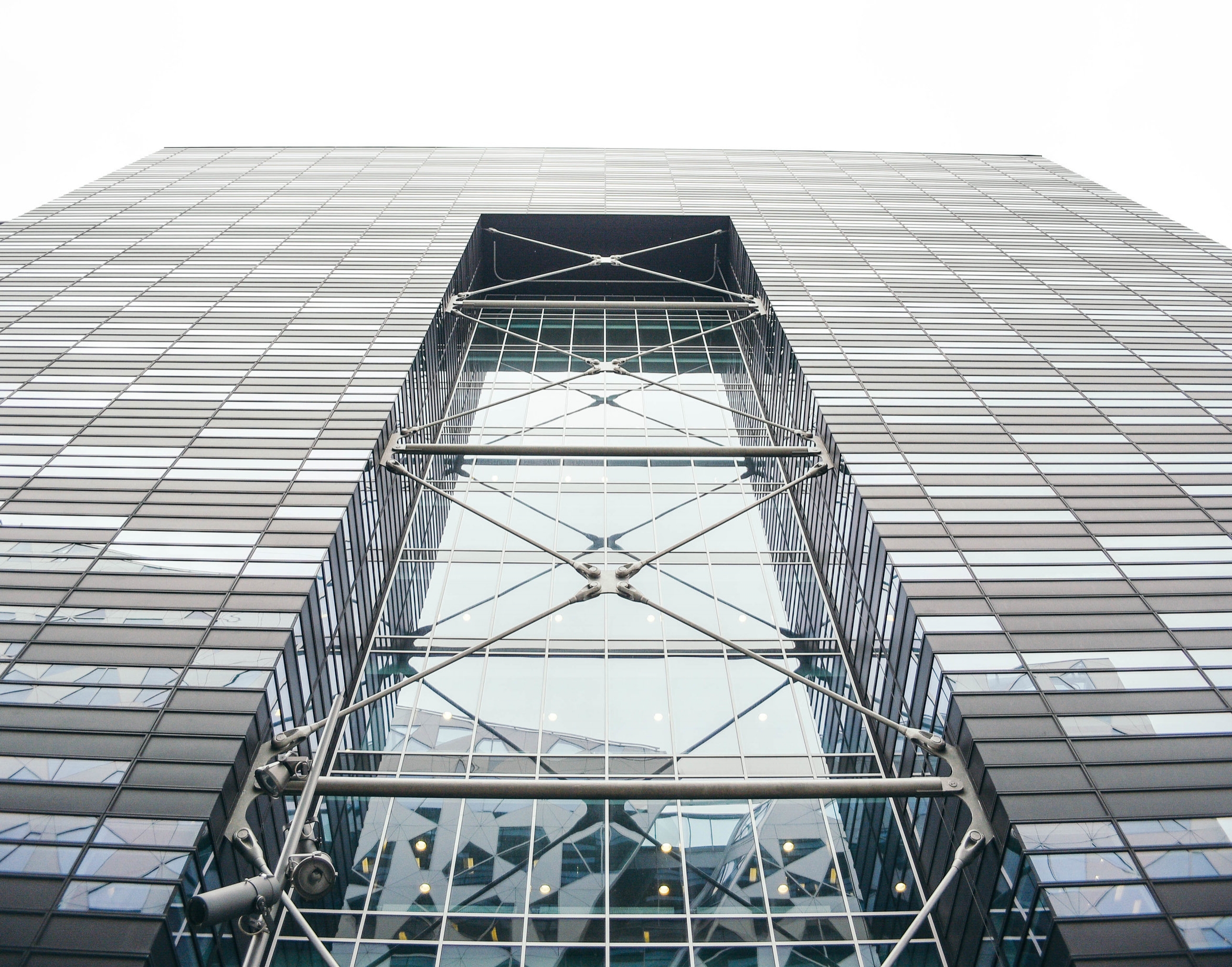
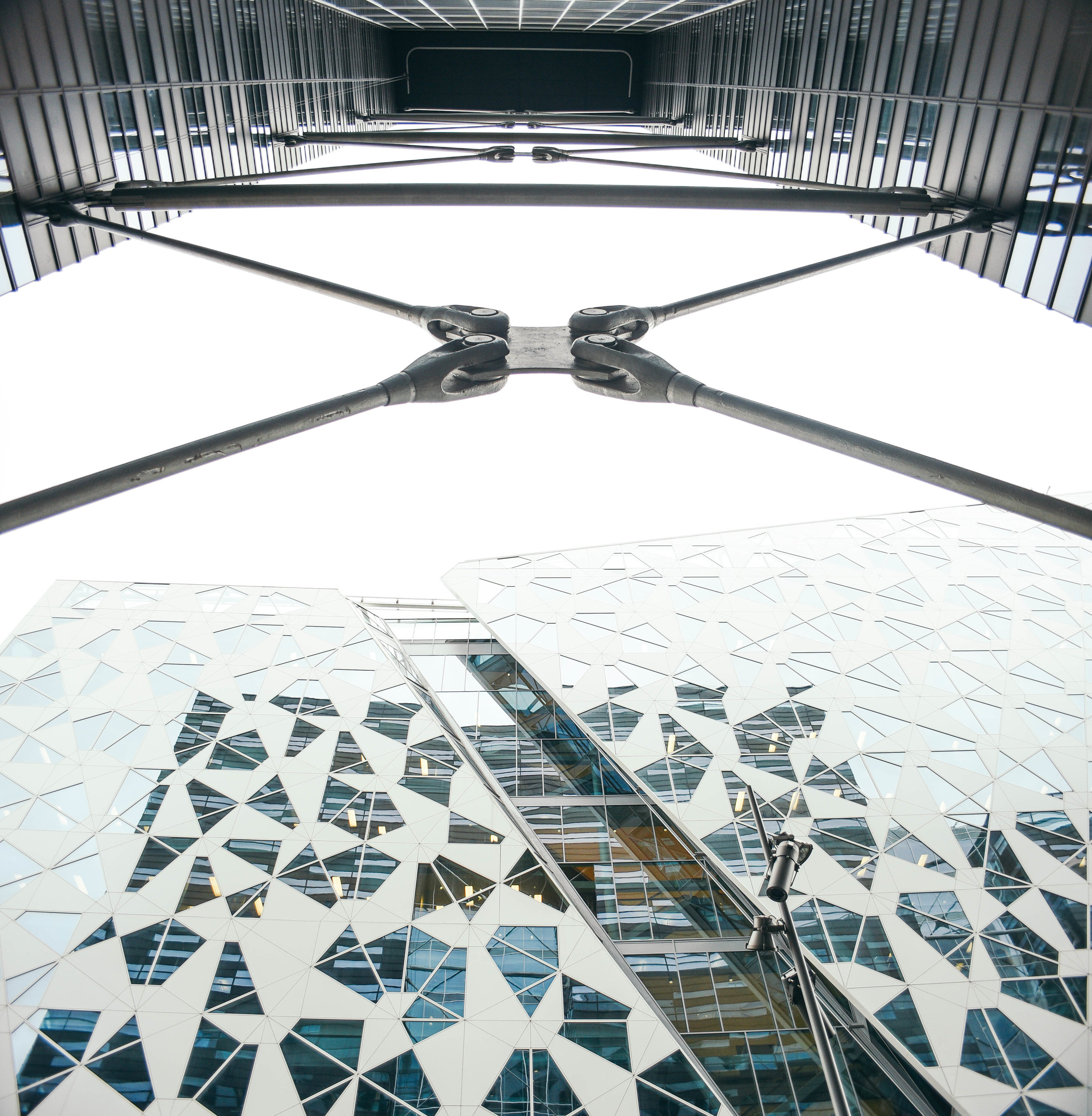
From west to east, its main buildings include PriceWaterhouseCoopers Building by A-lab Architects, the Kommunal Landspensjonskasse Building by Solheim & Jacobsen, the Deloitte Buidling Building by Snøhetta, Visma designed by Dark Arkitekter and DnB NOR from MVRDV Architects. In addition to these, Barcode includes loads of buildings and hundreds of apartments with designs that architects in many cities around the world are rarely given the creative freedom to explore.

With the tallest heights in the city and over 20,000 of development, the Project has changed the face of Oslo. Suddenly the city does not just sit flat along the water's edge, but this impressive cluster of beautiful towers is now attracting residents, visitors and businesses from around the world. 

THE OSLO OPERA HOUSE (OPERAHUSET)

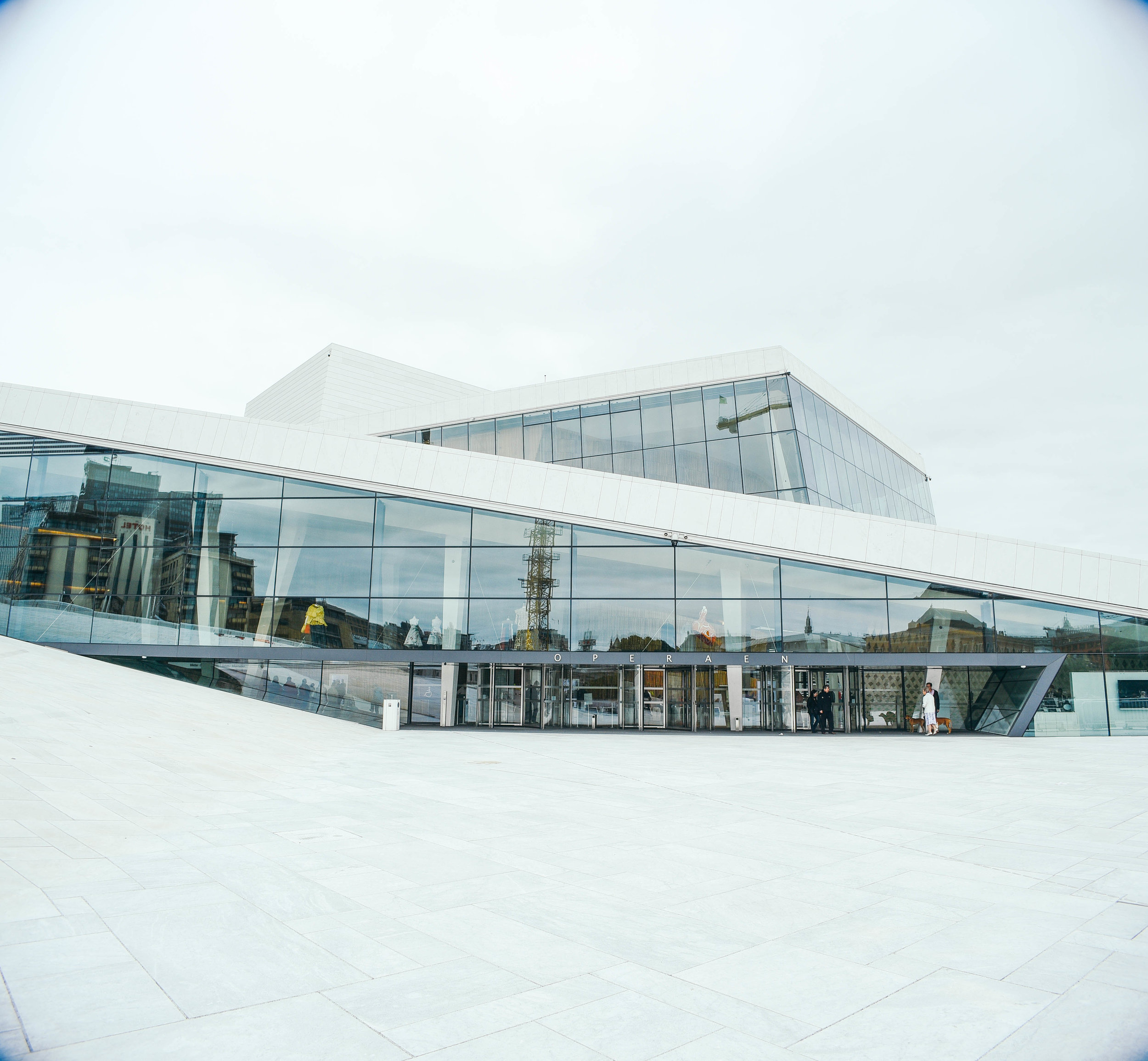
Designed by Snøhetta and opening in 2008, the Oslo Opera House is the home of Norway's National Opera and Ballet. Located just across from the Barcode Project, the building has helped to completely transform this part of the city. 

Made up of 1,100 rooms and with a main stage which can seat 1,364 people, the Opera House is the largest cultural building in Norway since 1300 - finally taking out Trondheim's Nidaros Cathedra as the top-dog. 

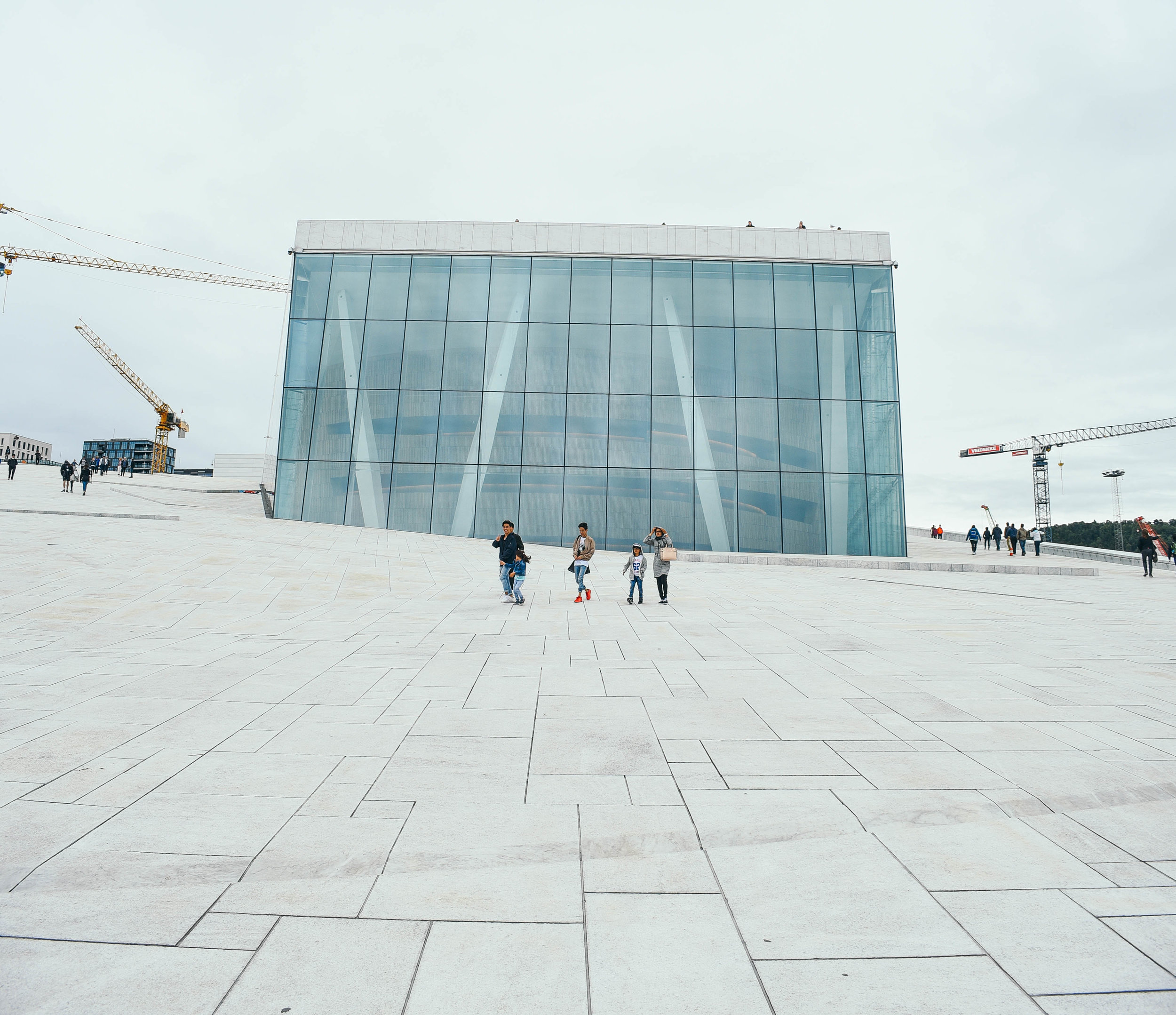
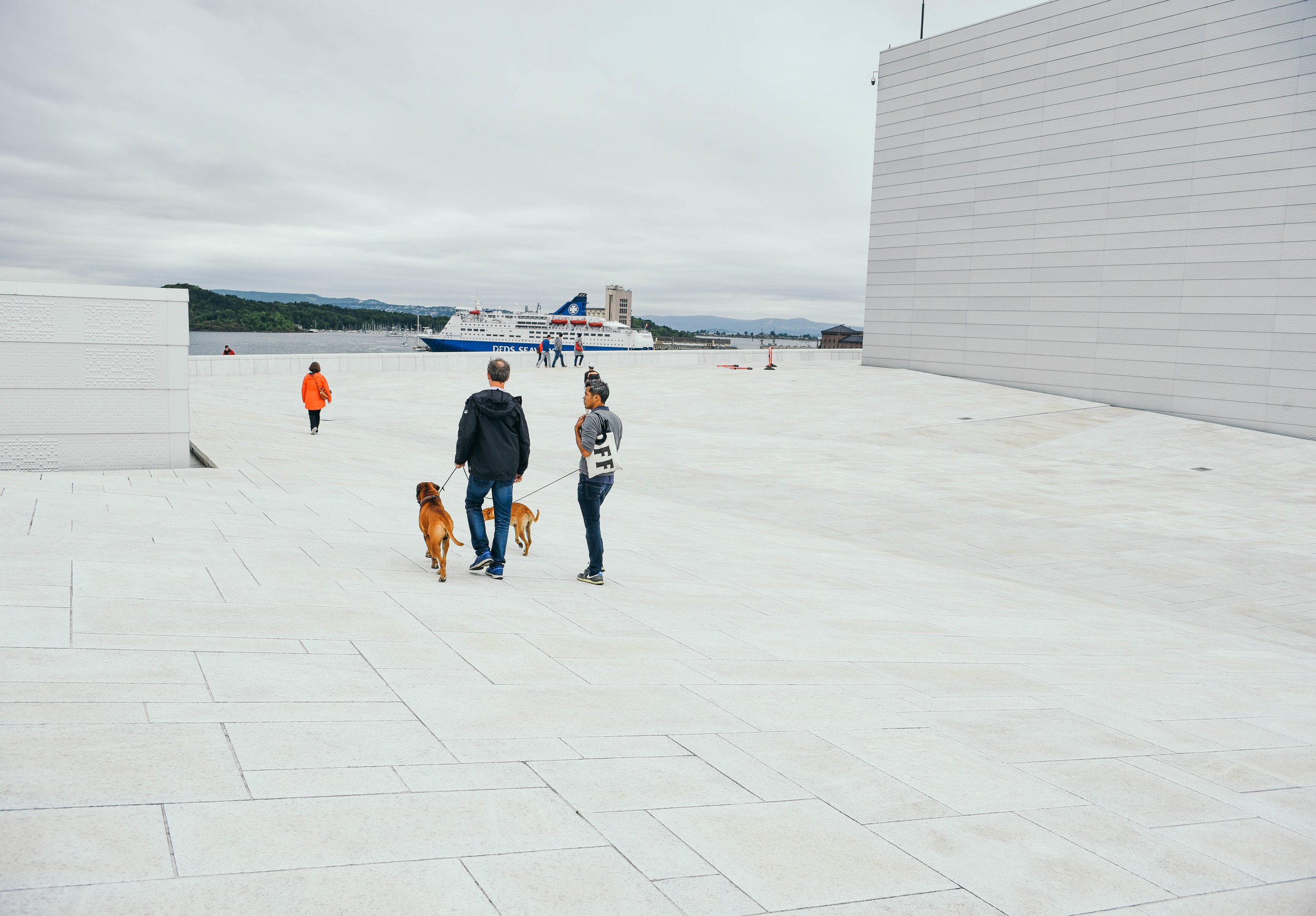
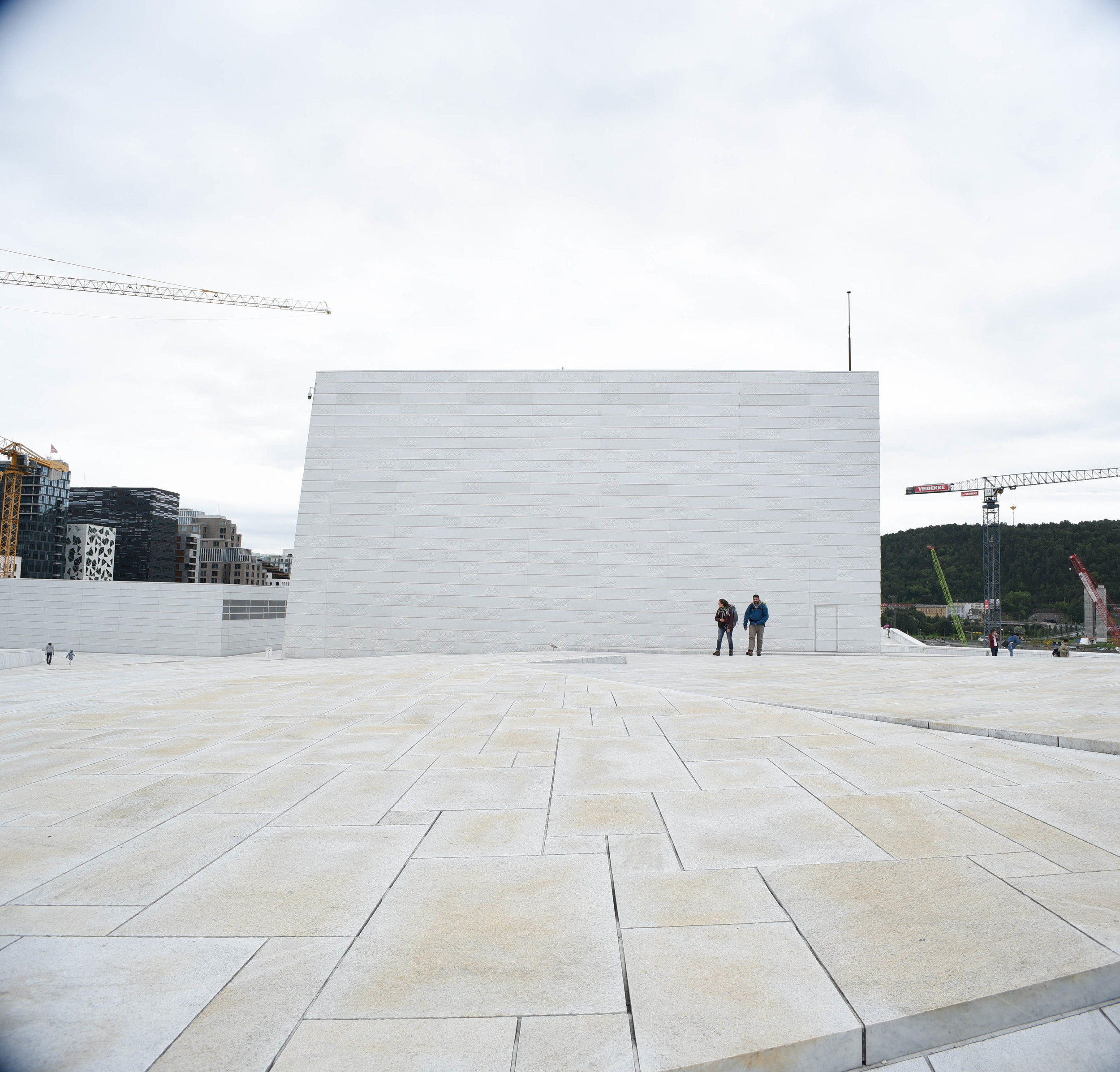
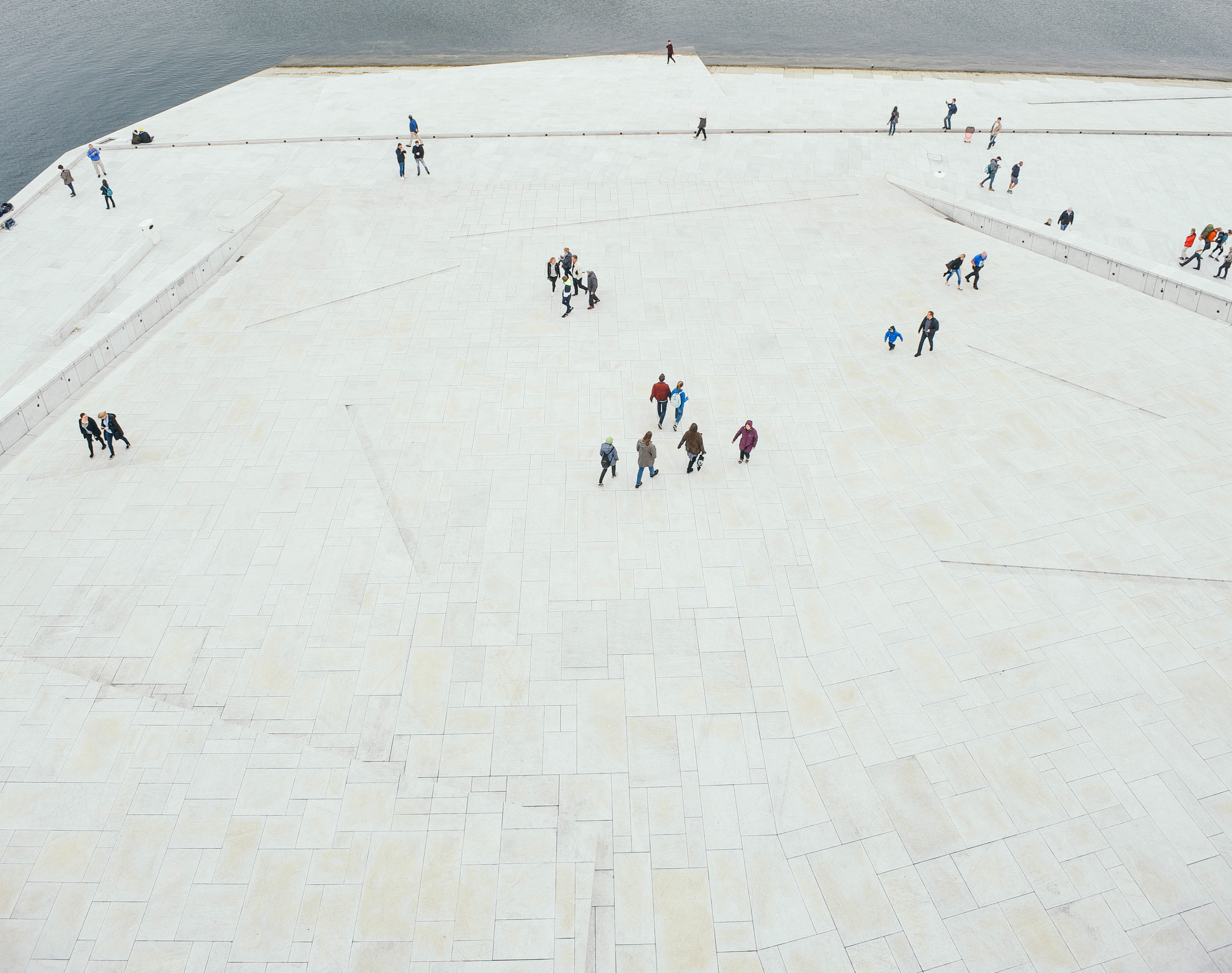
But what I found even cooler than the size or extravagance of the design, is how the building has created an entirely new public urban space for people to check our views of the city. With two sloping ramps on either side of the building, pedestrians are invited to walk onto the rooftop to make the most of this reclaimed section of the harbour.

In addition, its beautiful white materials and clean shapes make it an awesome place for film and photography. While I didn't check out any shows on my visit, I can only imagine the internal auditorium is pretty cool too. 

Tjuvholmen

Once only 5 hectares in size, Tjuvhomen was increased to 33 hectares in the early 1900's to be used as a docking area for ships. After years of disuse the area was bought by private landowners, and since 2005 has been the centre of a huge urban renewal project.

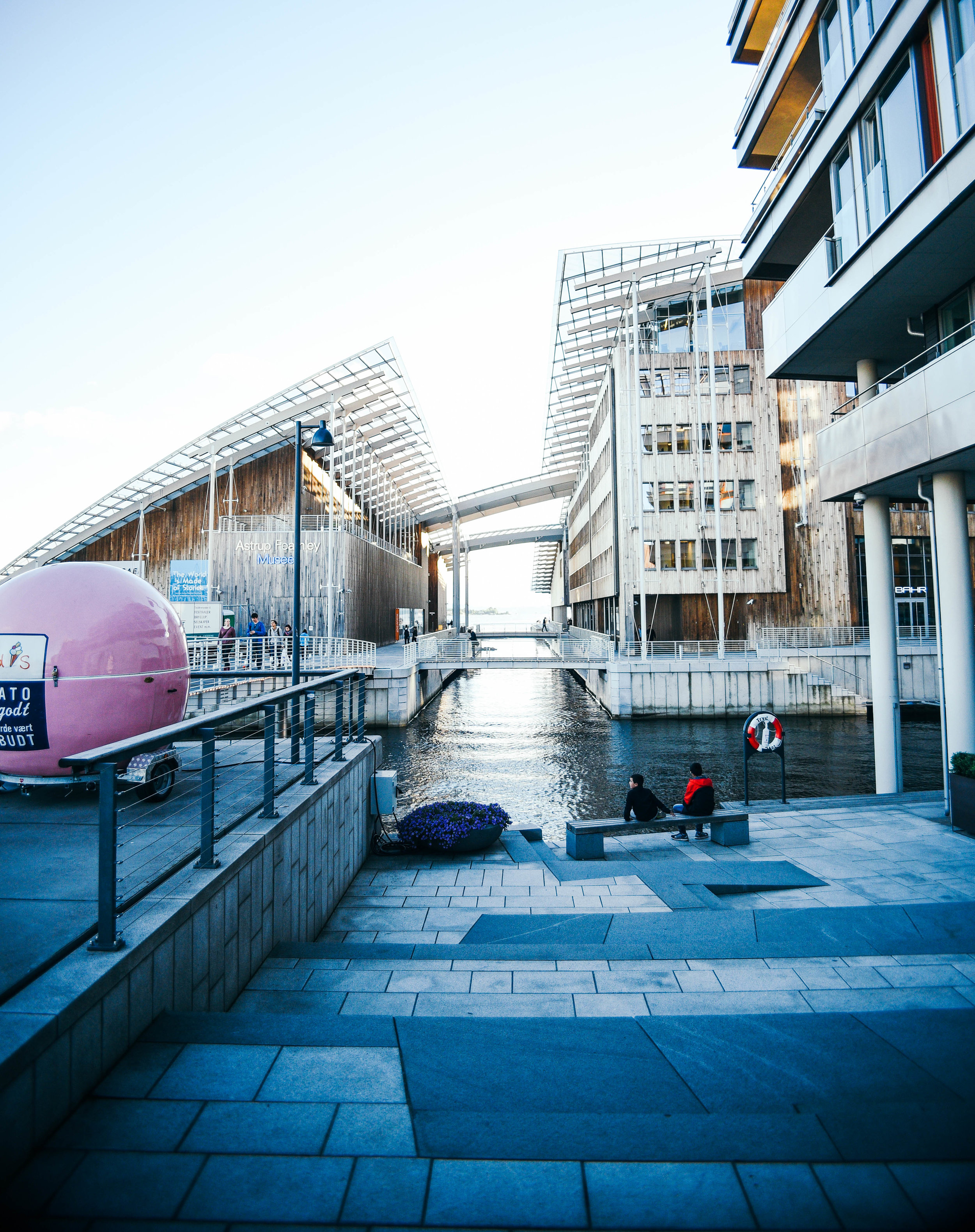
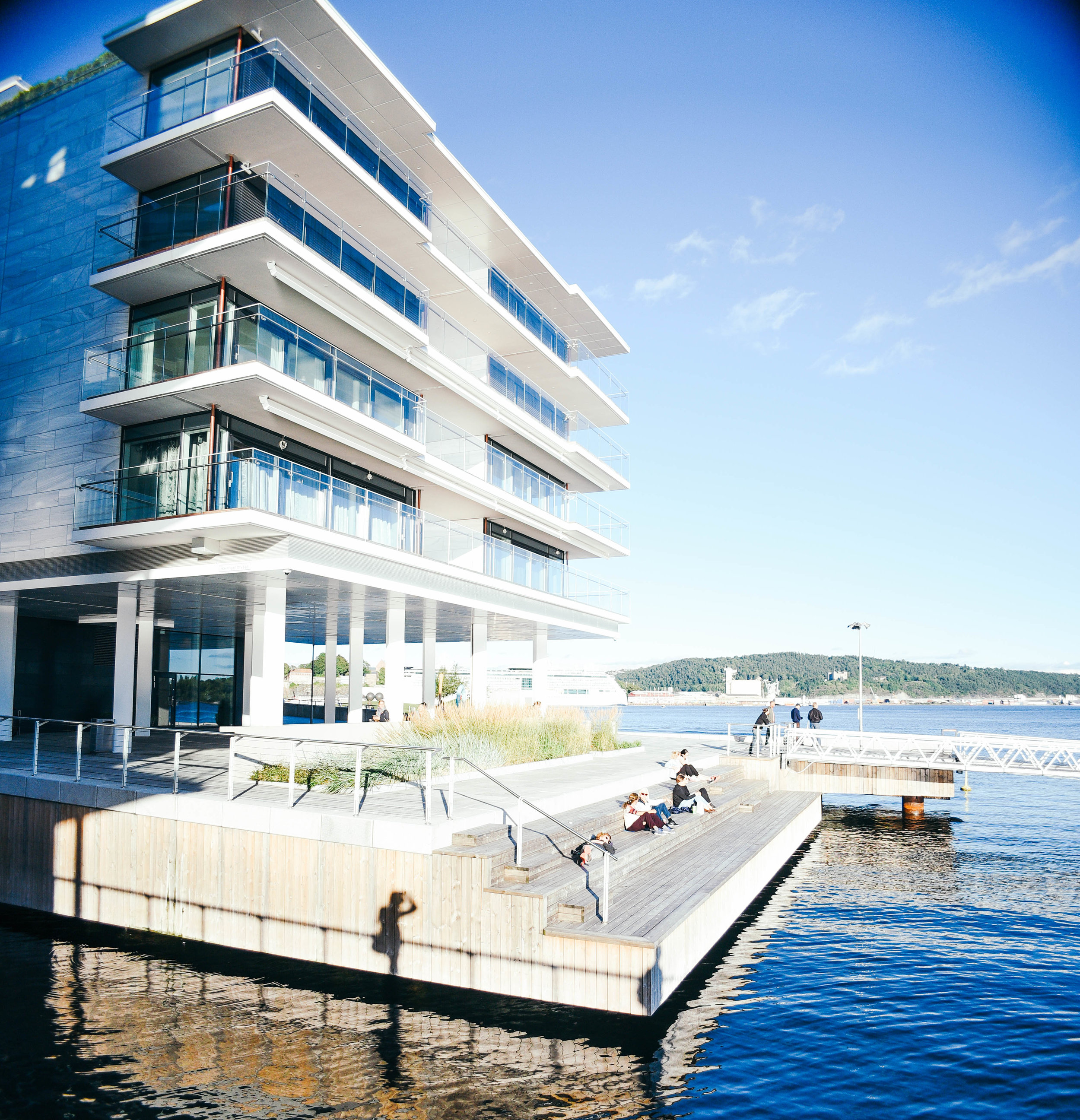
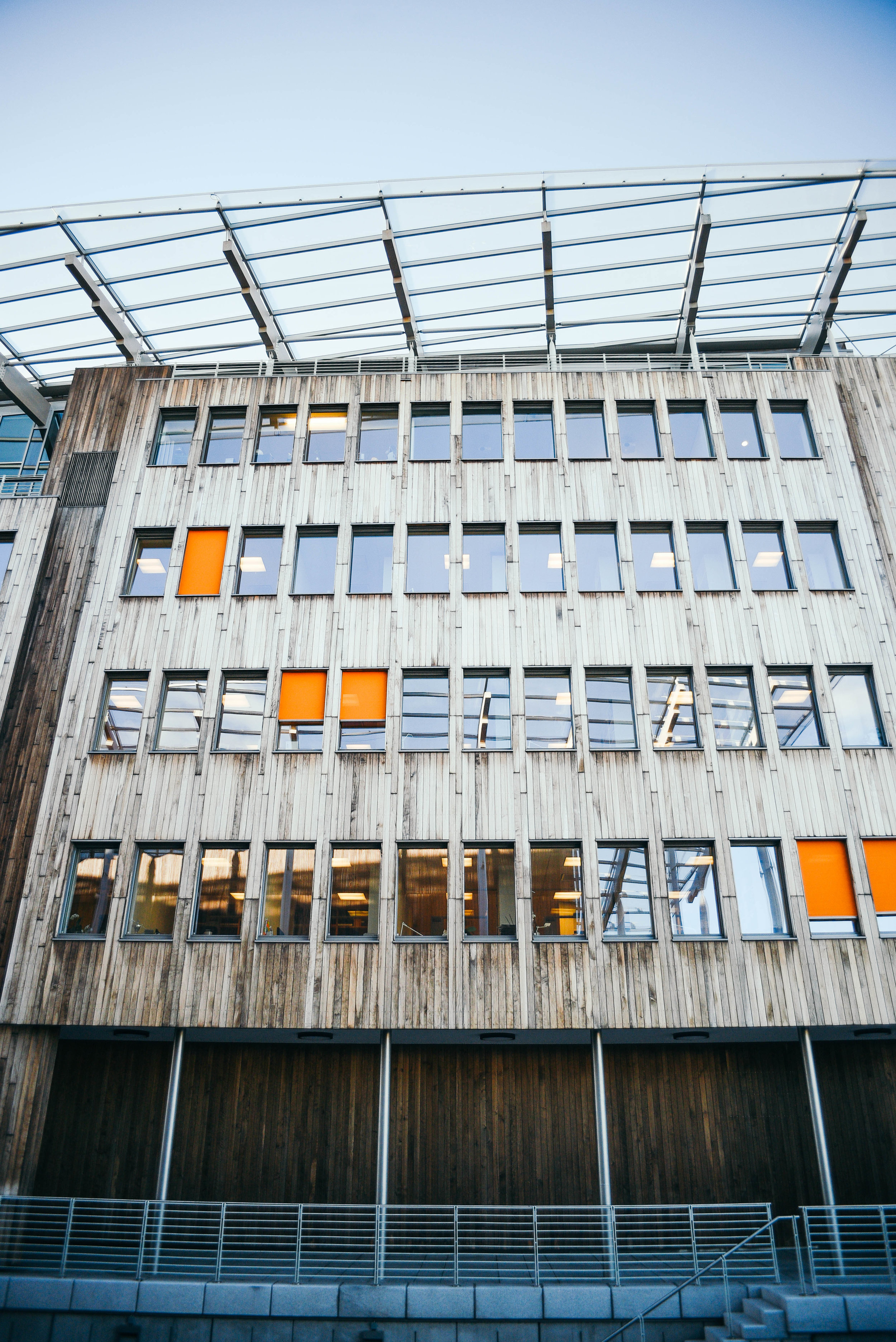
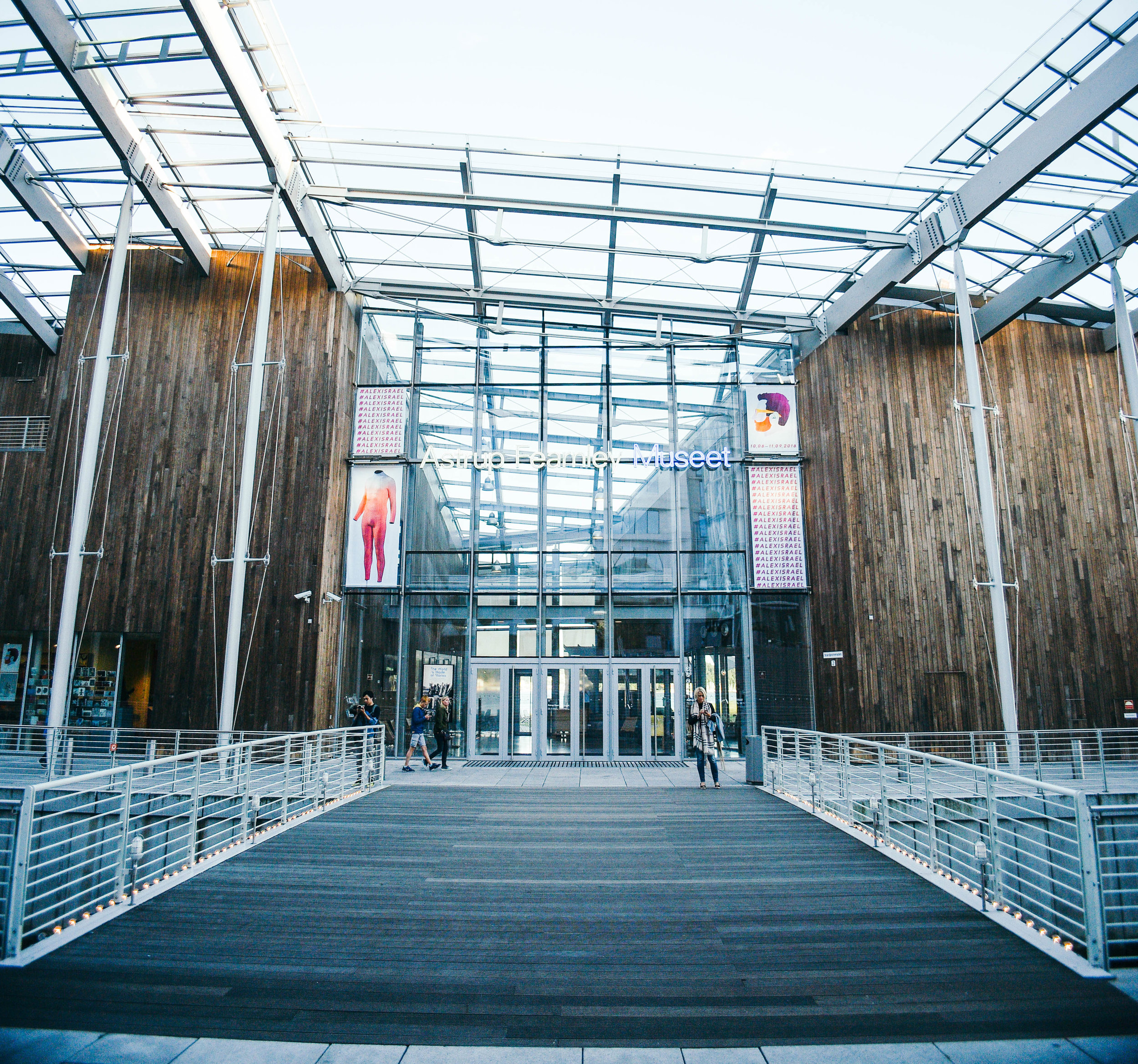
With Renzo Piano's Astrup Fearnley Museum of Modern Art and Skulpurpark being the 2 most incredible architectural pieces on the peninsula, credit should also be given to architectural practices including Kristin Jarmund and Scmidt Hammer Lassen, who've created amazing buildings and public spaces within the neighbourhood.

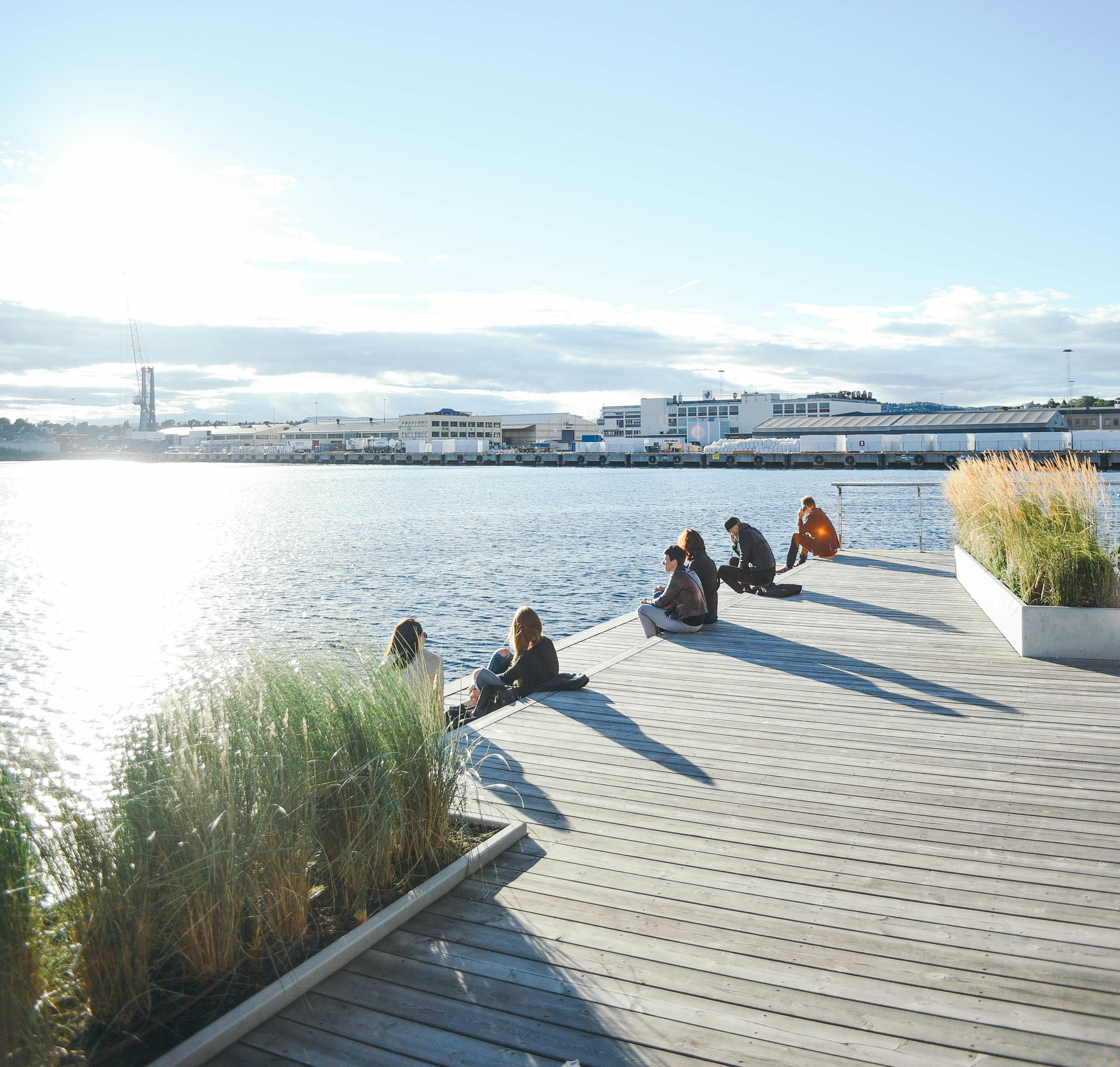
Similar to Copenhagen's Islands Brygge, as part of the development, the Tjuvholmen water's edge now also includes an amazing swimming area, making a great summer chill-spot...

If only every city did the same.

Get yourself to Oslo and take a wander.

- Tom 

INSTAGRAM


This is Scandinavia's Tallest Tower: The Turning Torso /  by Tom Oliver Payne

Jumping out of my train from Copenhagen, I quickly paced across the station’s dark concourse, making my way towards the bright blue sky seeping through the doors ahead of me. I pushed down on the latch and swung the door open - once again confronted by a new city. This time – Malmo, Sweden.

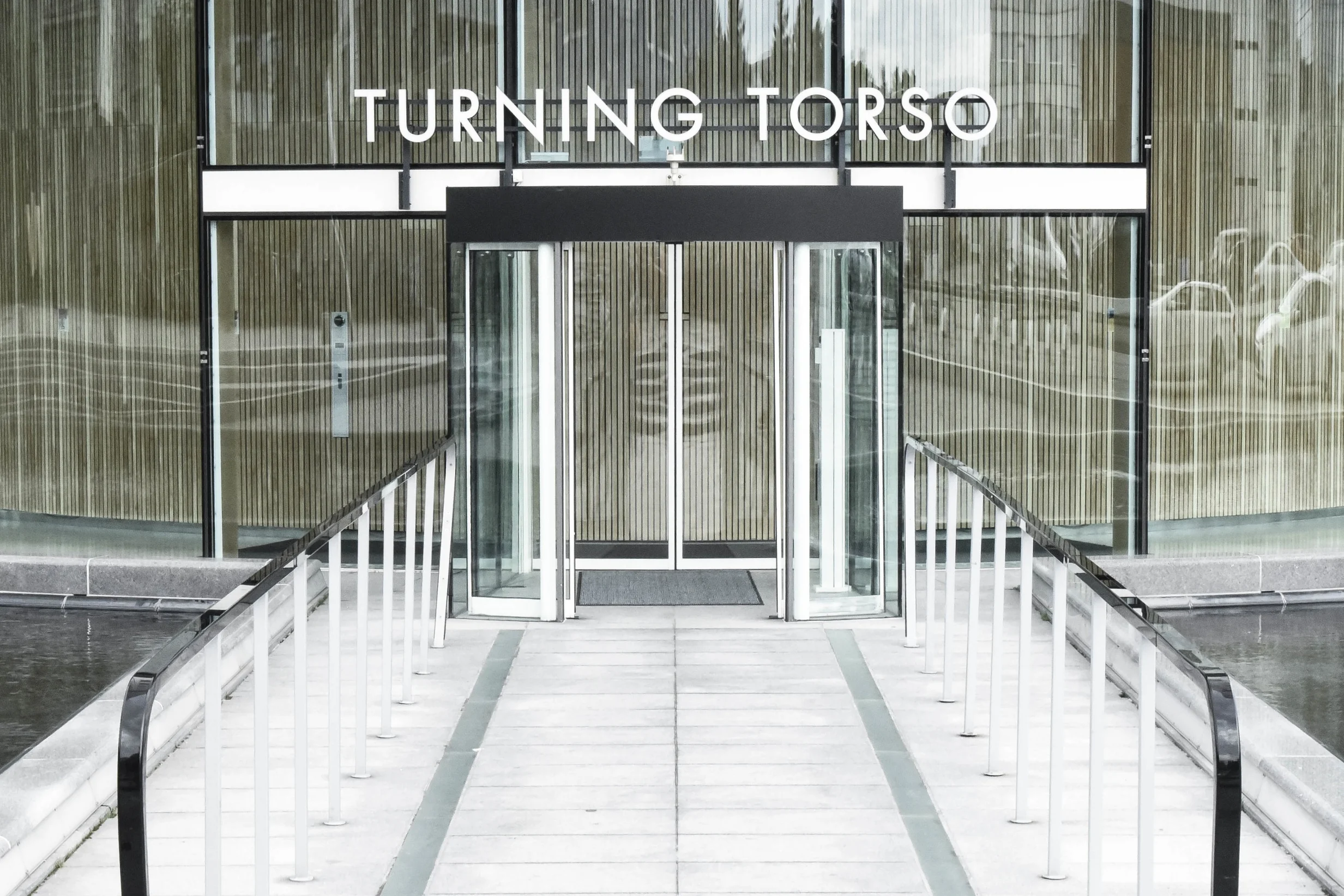
Knowing my trip would last just 24 hours, I had 2 boxes to tick: meet new people and check out the Spanish architect Santiago Calatrava’s ‘Turning Torso’.

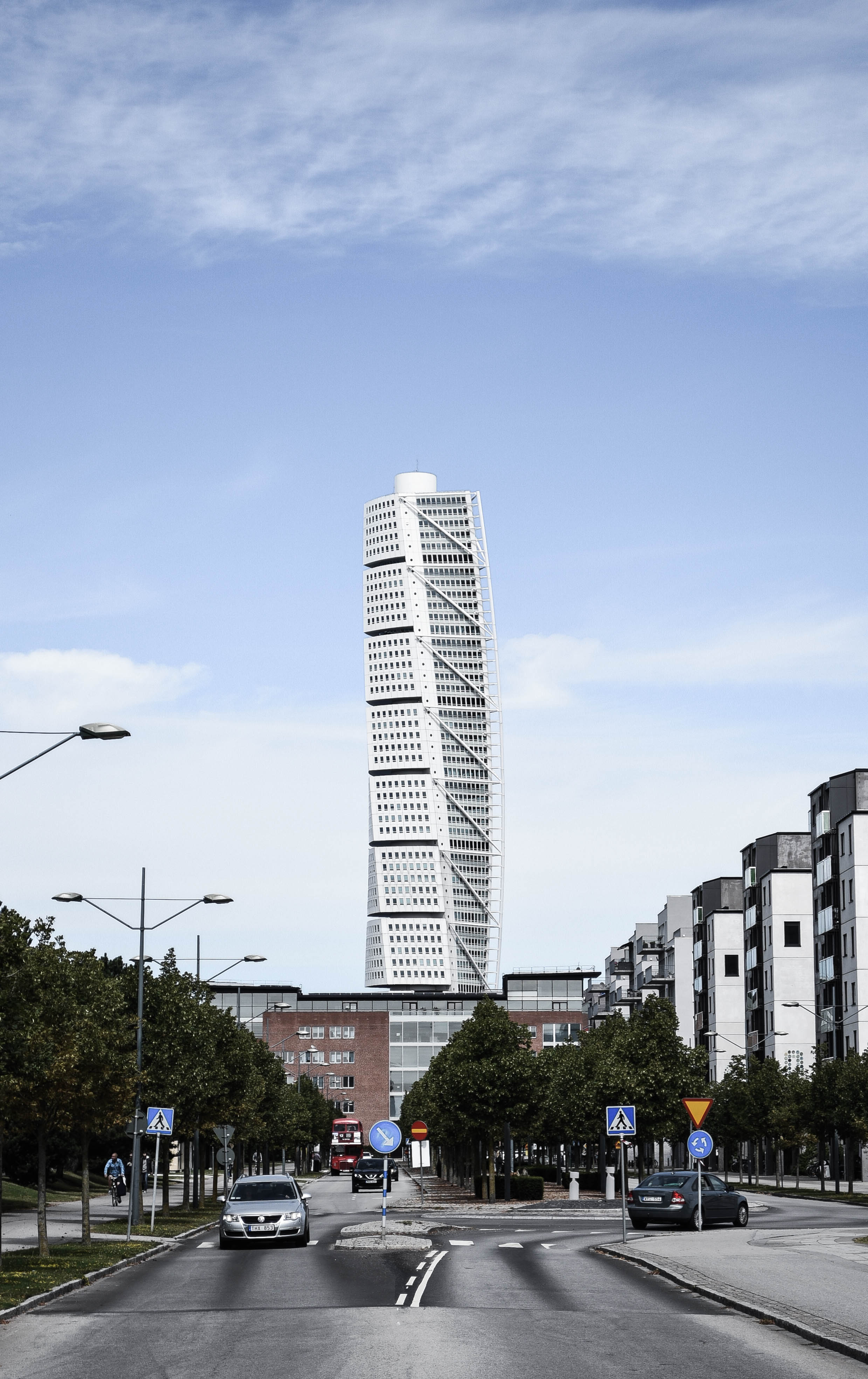
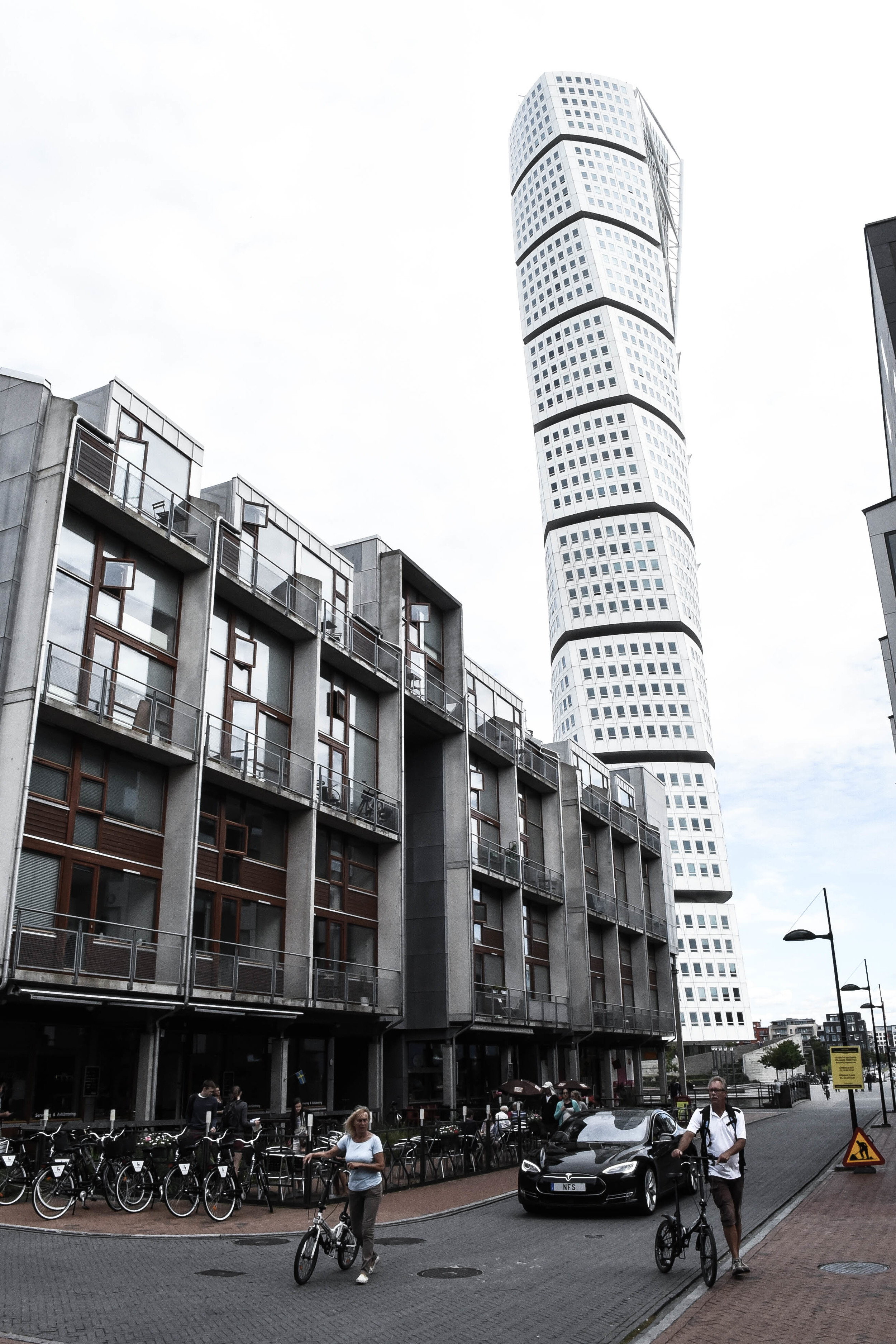
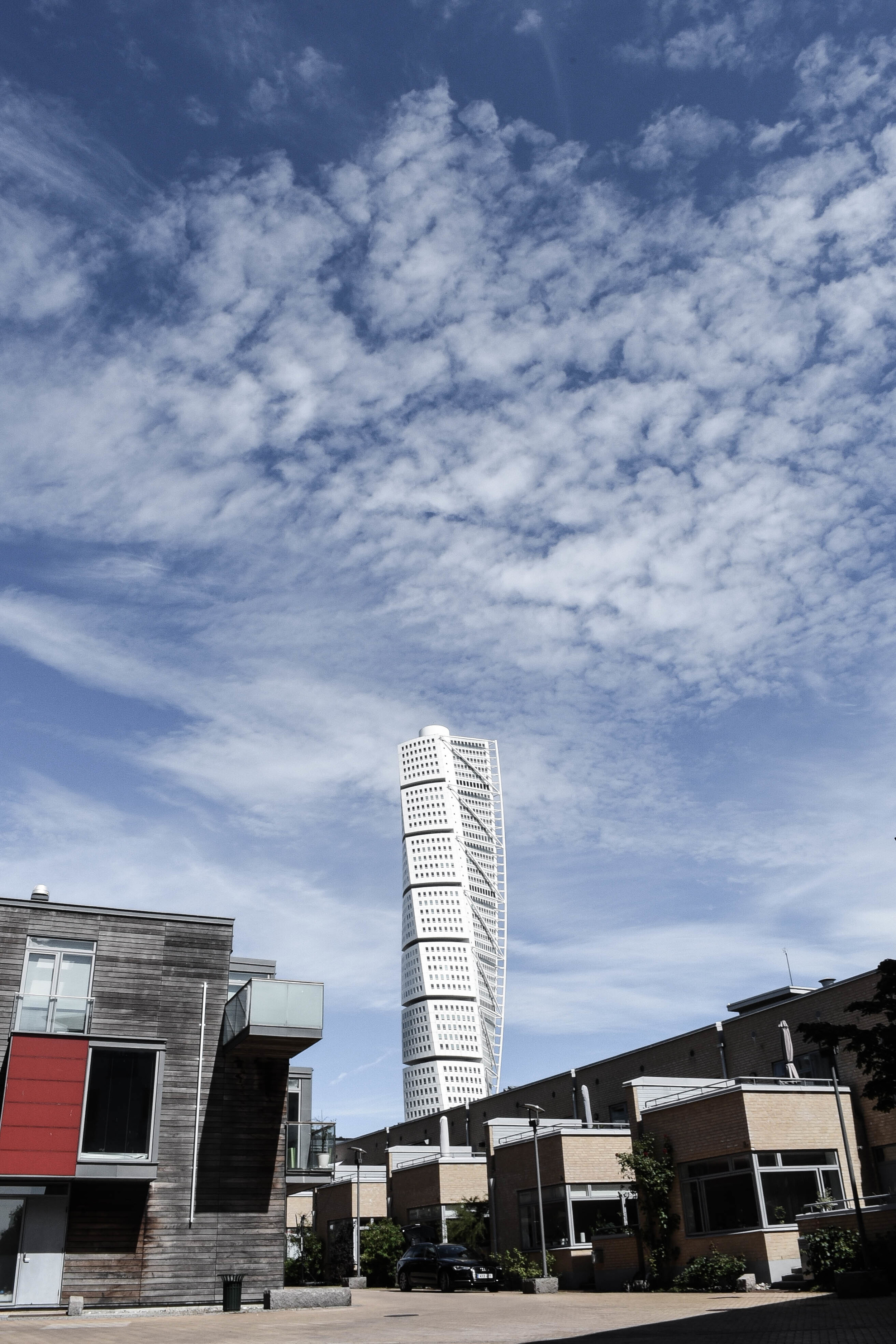
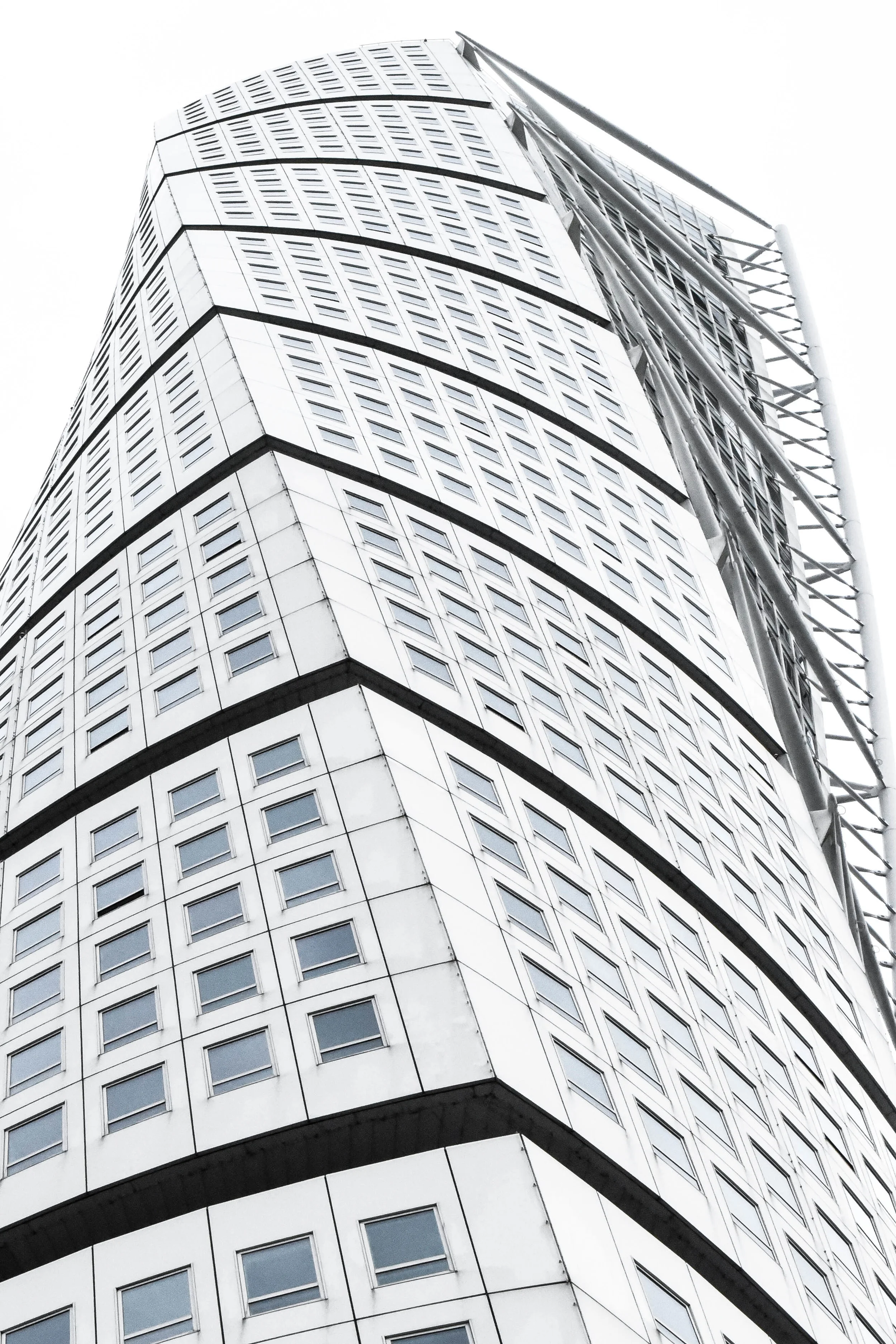
In typical Nordic fashion, the Turning Torso hasn’t been built with right angles and rigid lines, but instead embraces a much softer and more beautiful design. Spiralling towards the blue sky above me, no imagination was needed to figure out where it got its name.

While most of the city is made up of old city streets and wide urban plazas, the district of Vastra Hamnen (Swedish for ‘Western Harbour’) –within which the tower sits - has undergone a recent rejuvenation and comprises kilometres of contemporary offices, and apartment buildings, all stretched along the beautiful Öresund waterfront.

Back in the late 1990s the City of Malmo developed a design competition to create a new tall building in the district. Zurich-based architect Santiago Calatrava submitted a sculpture that he’d created depicting a human body contorting around its spine in an upward movement. Impressed with Santiago’s piece, Calatrava was soon underway designing what would soon become Malmo’s most impressive landmark.

At 54 storeys, the building manoeuvres 90 degrees from top to bottom, and is considered to be the world’s first twisting skyscraper (the Cayan Tower in UAE has since been built with a similar twisting concept).

But in addition to its interesting design, the Torso is powered by 100% renewable energy and has been constructed with eco-friendly materials including recyclable aluminium. It also features a high degree of energy and water efficiency, helping residents to live much more sustainable lifestyles.

As I walked from Vasta Hamnen back into Malmo’s old town, I constantly looked back over my shoulder at this huge, twisting, tower behind me. It was a pretty courageous experiment from Santiago, but I guess just another testament to the fact that fortune favours the bold.

Make sure you check it out if you’re ever in Malmo. 

INSTAGRAM


Why Copenhagen is such an incredible city /  by Tom Oliver Payne

Everyone knows that Copenhagen is the happiest city in the world. But not as many people appreciate just how unique and interesting it is. As a regular visitor, below I've listed out my top reasons why Copenhagen is the world's coolest city. 

Vibrant Neighbourhoods

Nørrebro

Norrebo is one of Copenhagen's trendiest districts: people look amazing, bars and cafes line the streets, and its energetic vibe lasts late into each night.

But this neighbourhood's vibrancy isn't simply a coincidence - Norrebro is the city's most multicultural area. With 26% of its inhabitants from outside of Denmark, it offers an incredible cultural mix of food, music, language and fashion-styles.

Islands Brygge

In contrast to the eclectic urban vibe of Norrebo, Islands Brygge is predominantly residential. But what makes this one of my favourite parts of the city, is its harbourside location and incredible stretches of open space.

Differently to most cities around the world, Copenhagen's government is liberal enough to let people swim in its harbour, and there's probably no better place to do that than Islands Brygge.

In summertime this neighbourhood is crowded with swimmers, drinkers, skaters and chillers - all checking out the beauty of the city... and probably each other. There's no doubt that this is where some of Copenhagen's most attractive people come for some time in the sun. 

MeatPacking District (Kodbyen)

Much like New York City's Meatpacking District, Copenhagen's old cattle markets have seen a recent rejuvenation, as young people embrace its large open spaces and old industrial buildings. 

While parts of the district are still used for the meat industry, since the early 2000s it's also emerged as a creative cluster, attracting galleries, restaurants, design firms and studios.

I recommend grabbing a coffee or beer and simply wandering around the district's streets; the mix of large, small, old and new buildings provide for a seemingly never-ending maze of beautiful hidden streetscapes. 

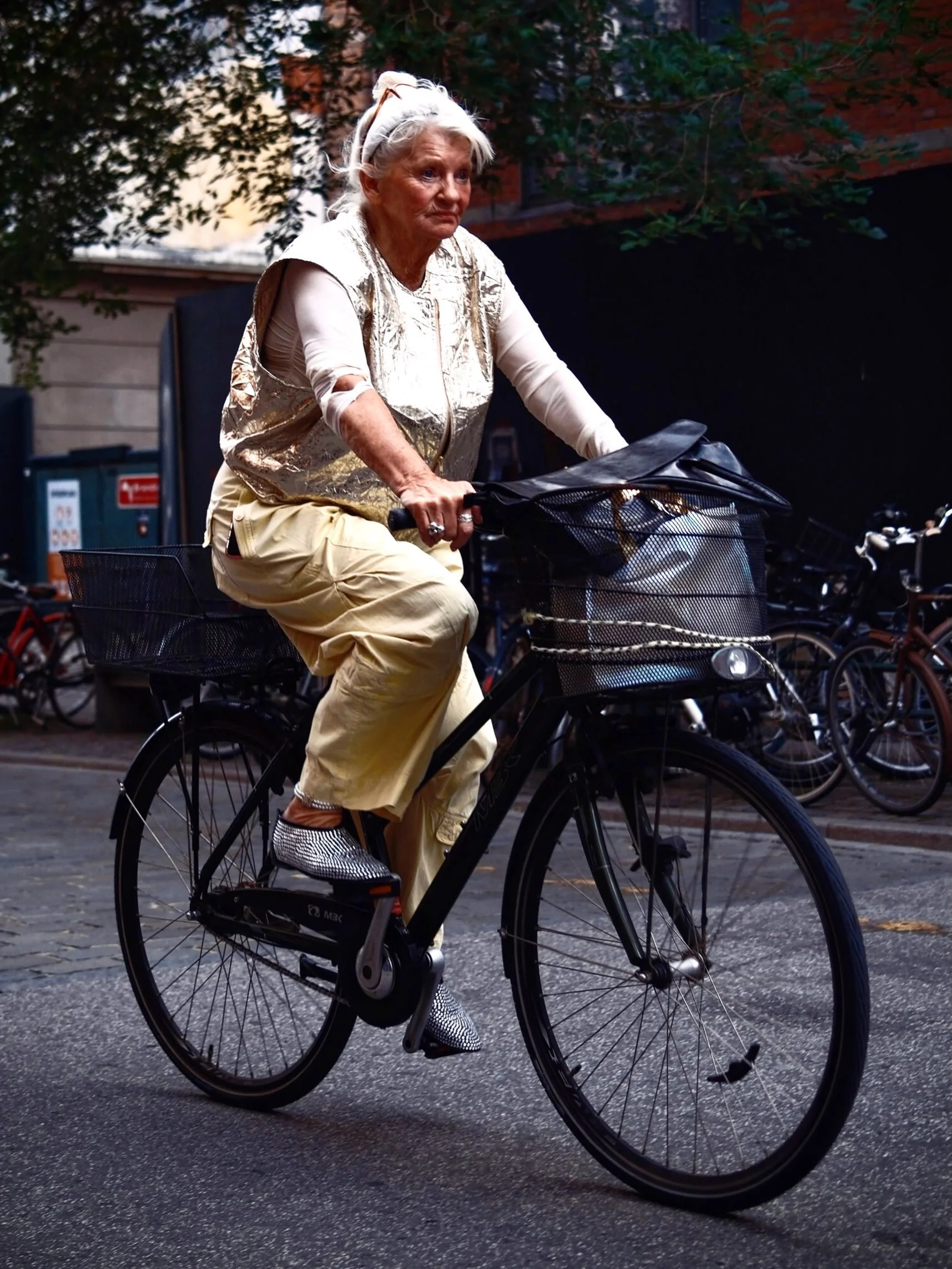
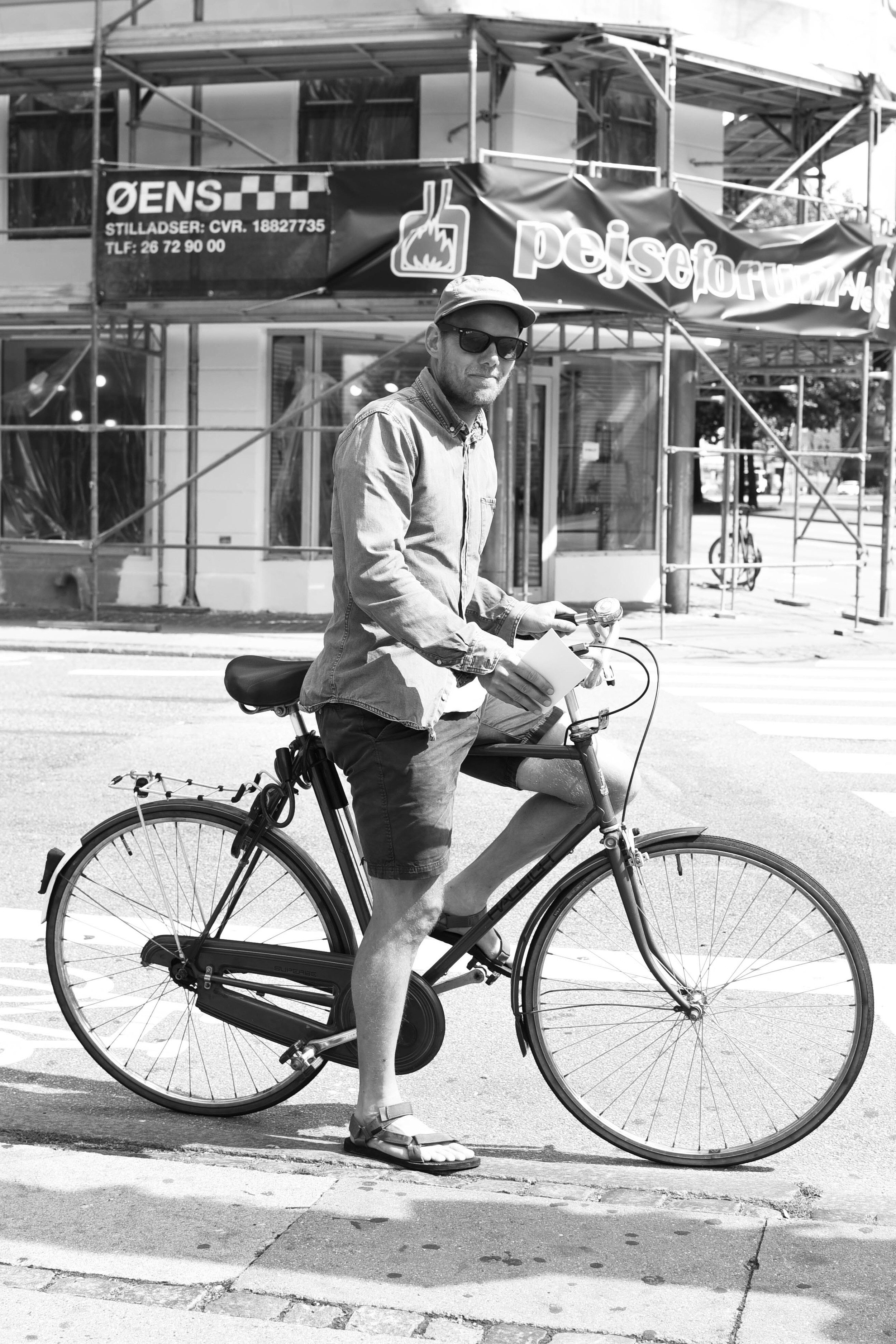
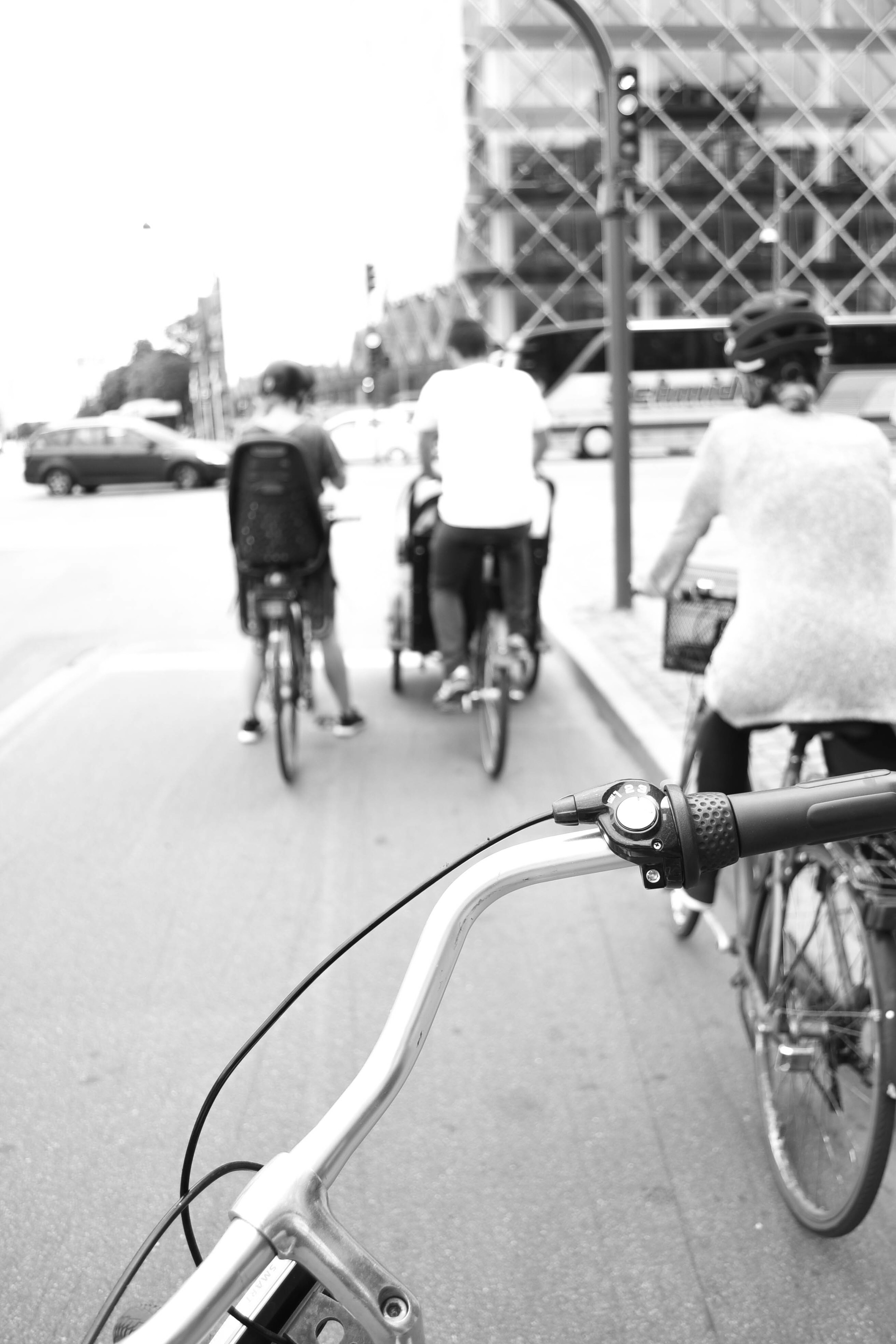
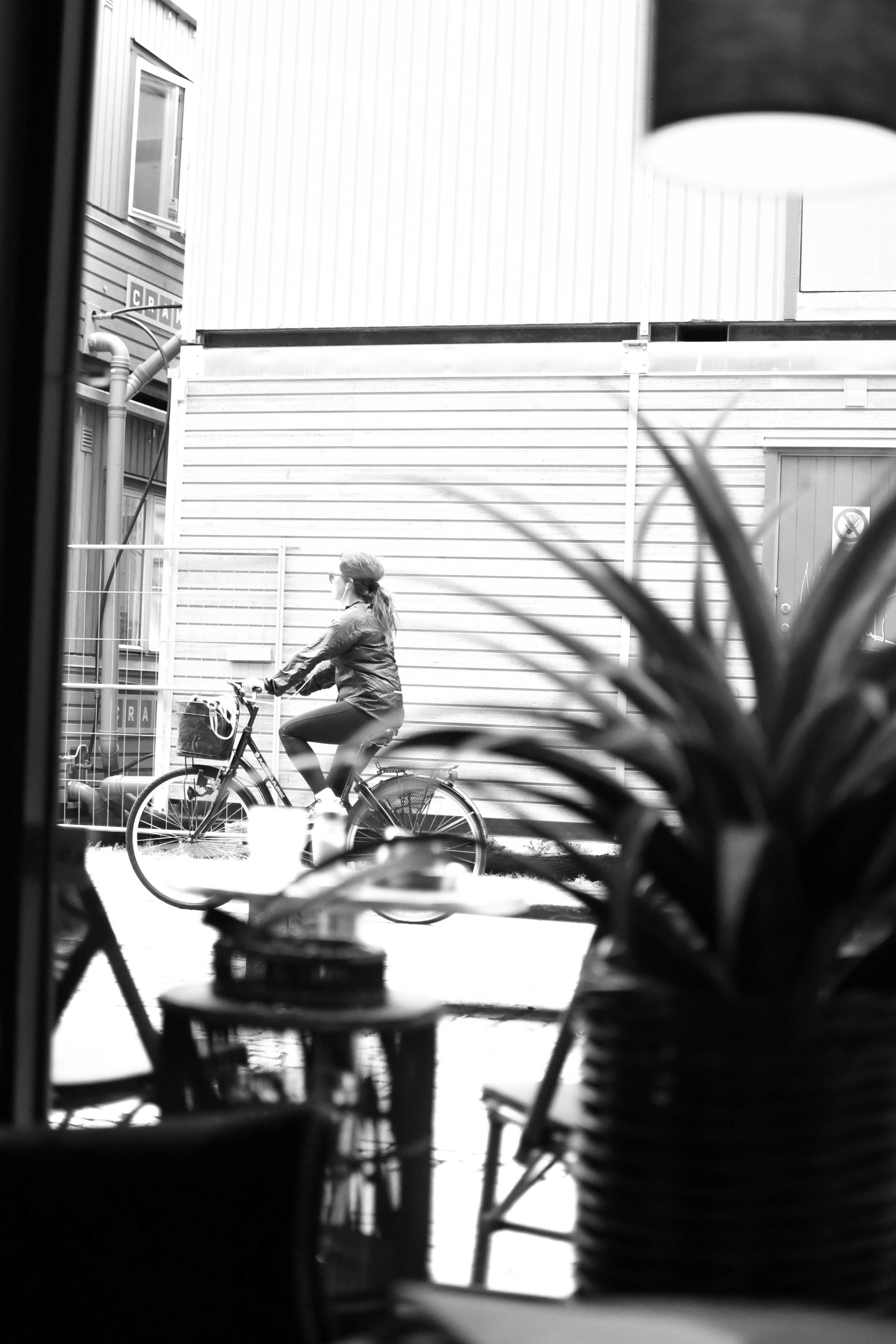
Out on my bike one afternoon, I spotted this chiller cycling into one of Norrebro's northern streets. It looks empty here, but not so far ahead, the intersections are lined with some of Copenhagen's best city life. 

Out on my bike one afternoon, I spotted this chiller cycling into one of Norrebro's northern streets. It looks empty here, but not so far ahead, the intersections are lined with some of Copenhagen's best city life. 

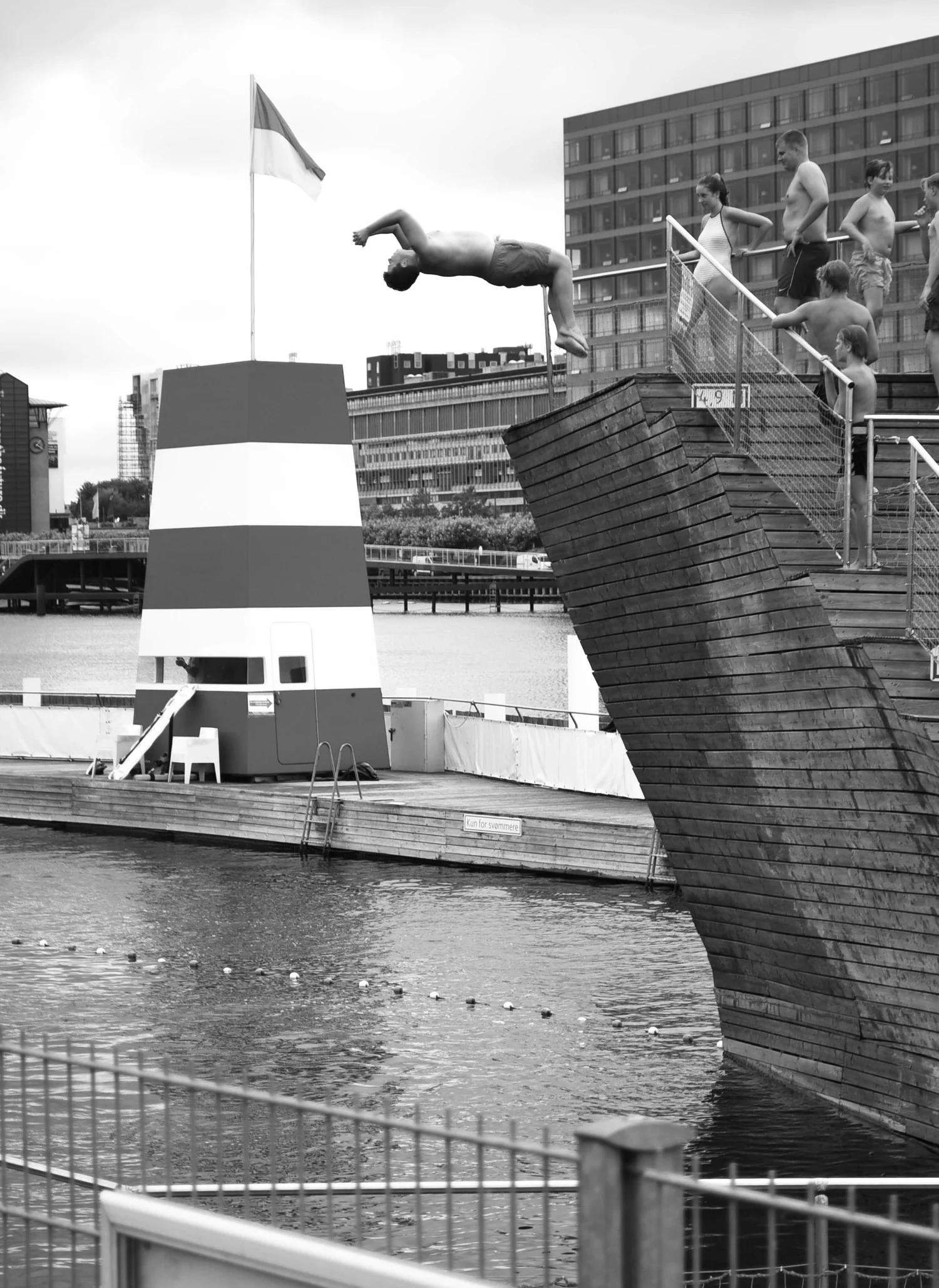
Doing backflips into harbour pools in most cities will cause some nasty guard to yell and scream. In Copenhagen's Island Brygee, people are respected enough to not be babysat by authority.

Doing backflips into harbour pools in most cities will cause some nasty guard to yell and scream. In Copenhagen's Island Brygee, people are respected enough to not be babysat by authority.

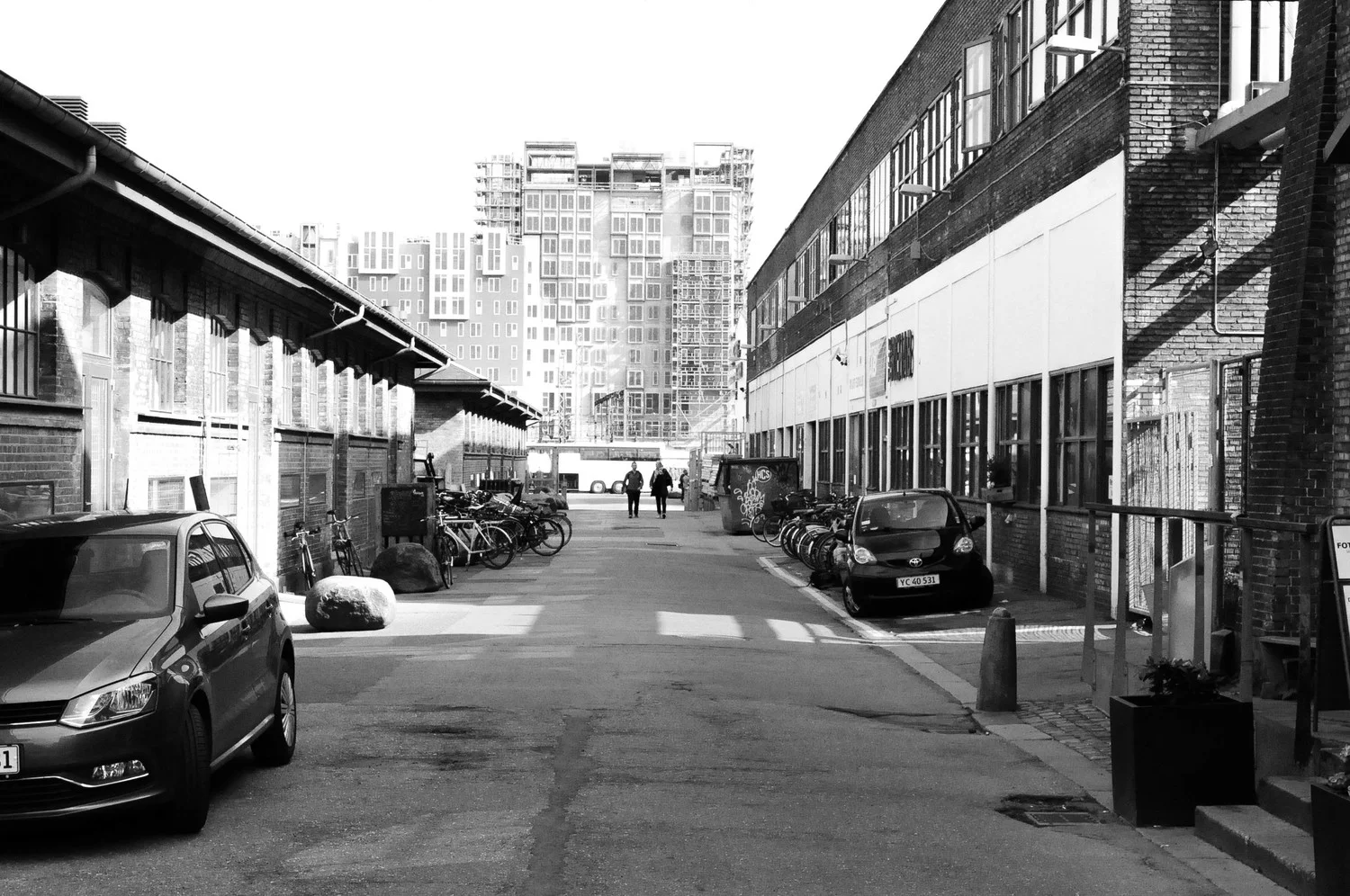
Old warehouses lining the streets of the Meatpacking District, looking south towards the modern harbour edge.

Old warehouses lining the streets of the Meatpacking District, looking south towards the modern harbour edge.


Architecture

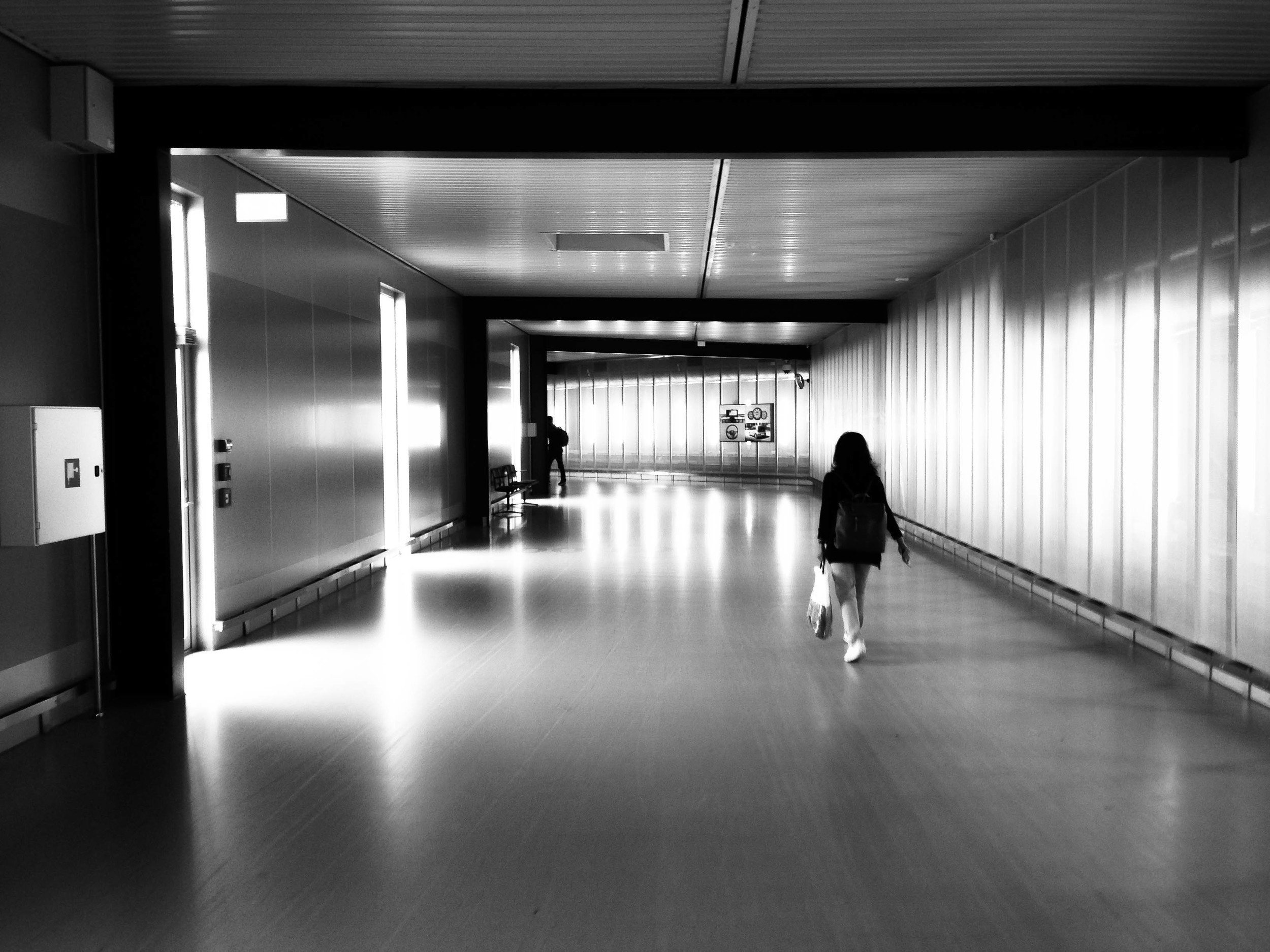
As soon as you step off the plane into Copenhagen's Kastrup Airport's beautifully designed terminals, you'll realise that this is a city that prides itself on clean, human-focused architecture. 

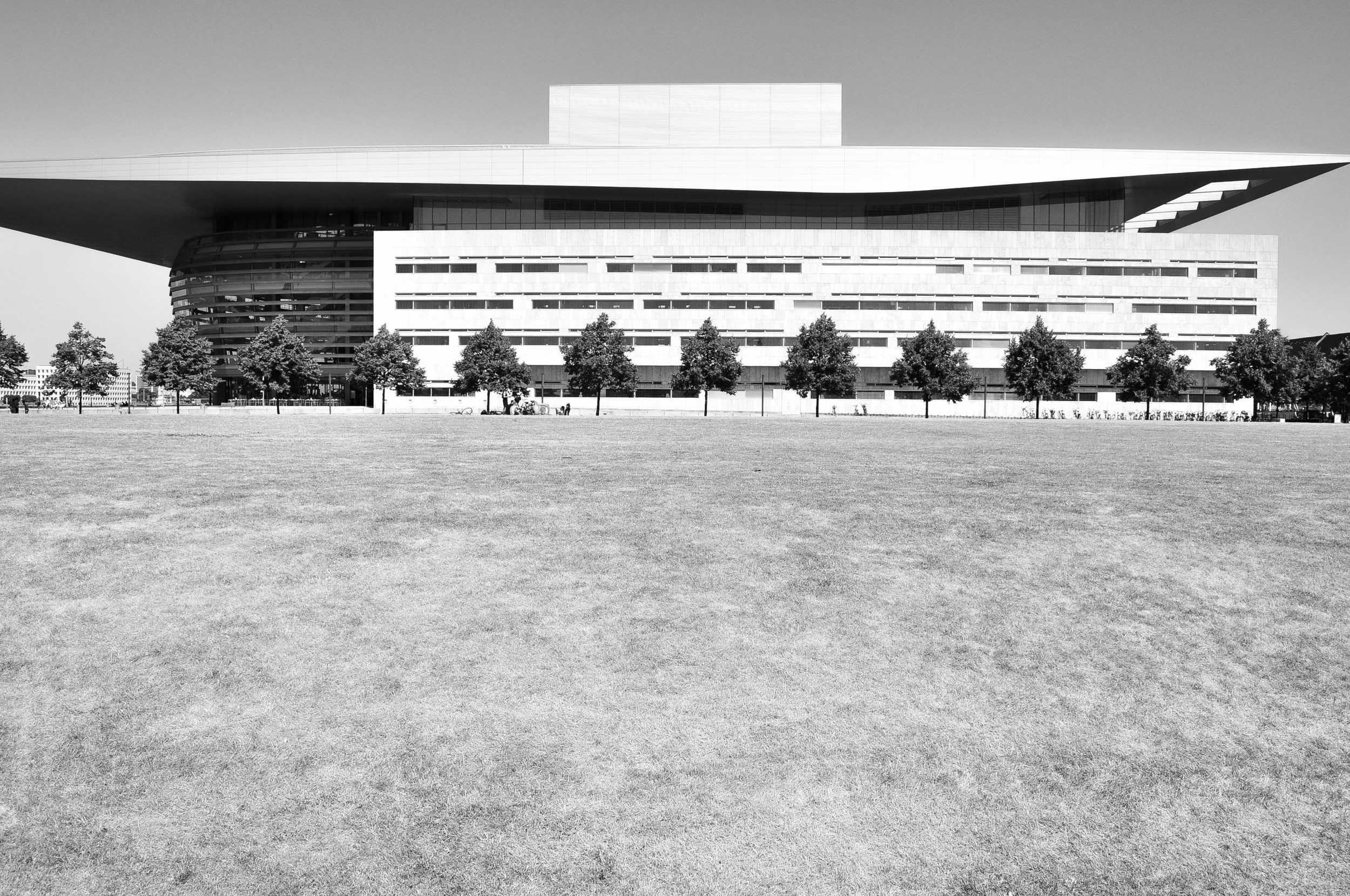
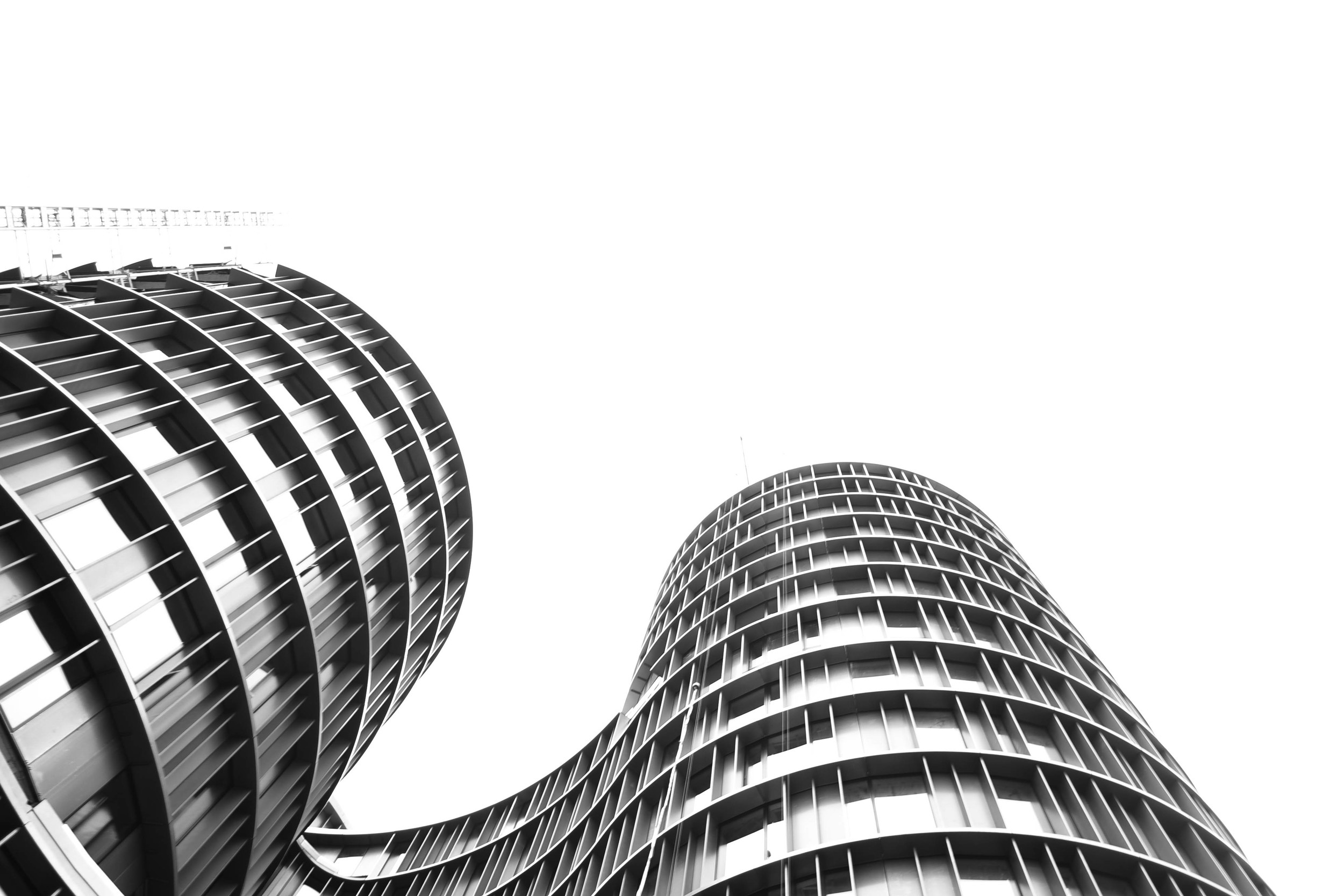
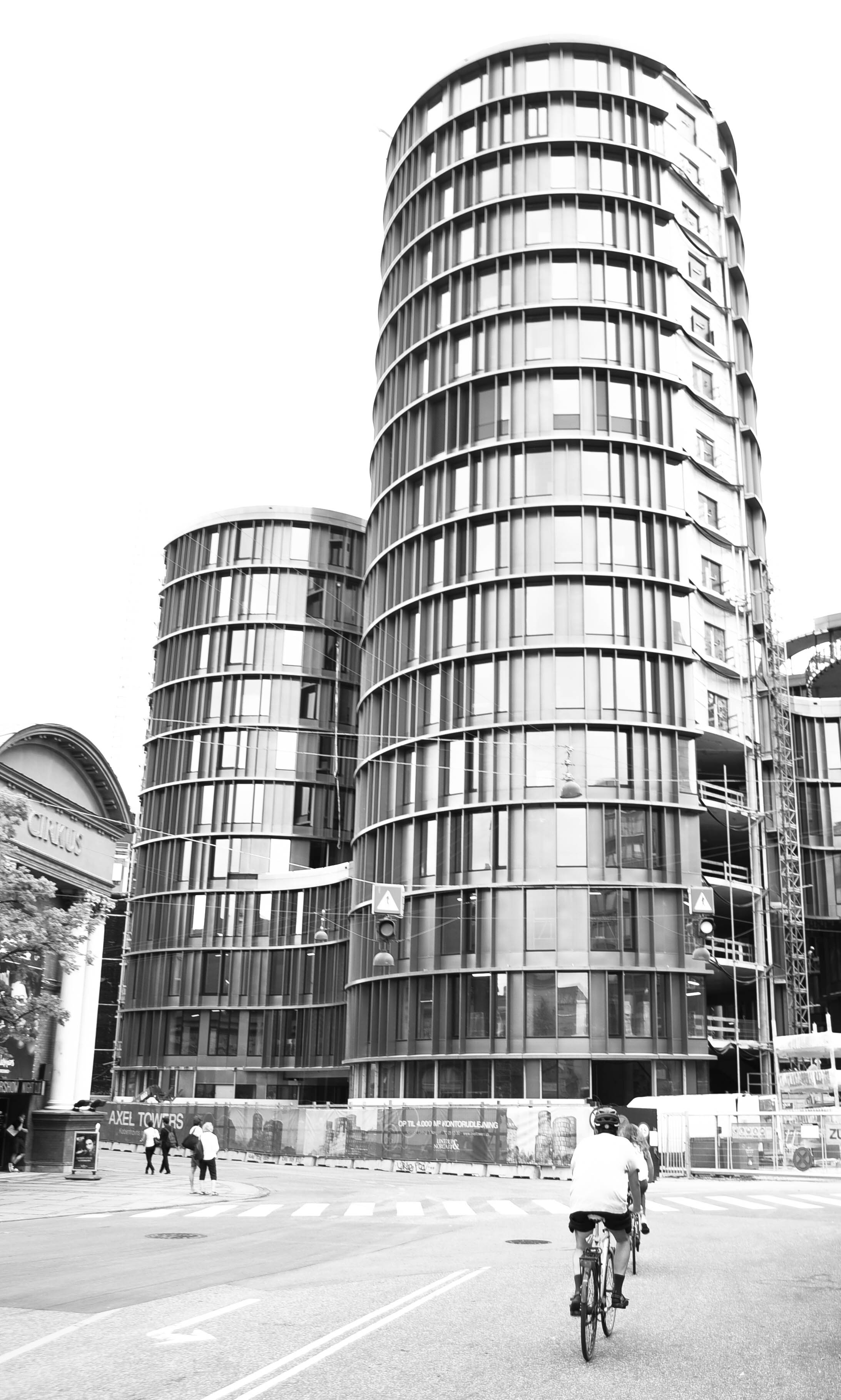
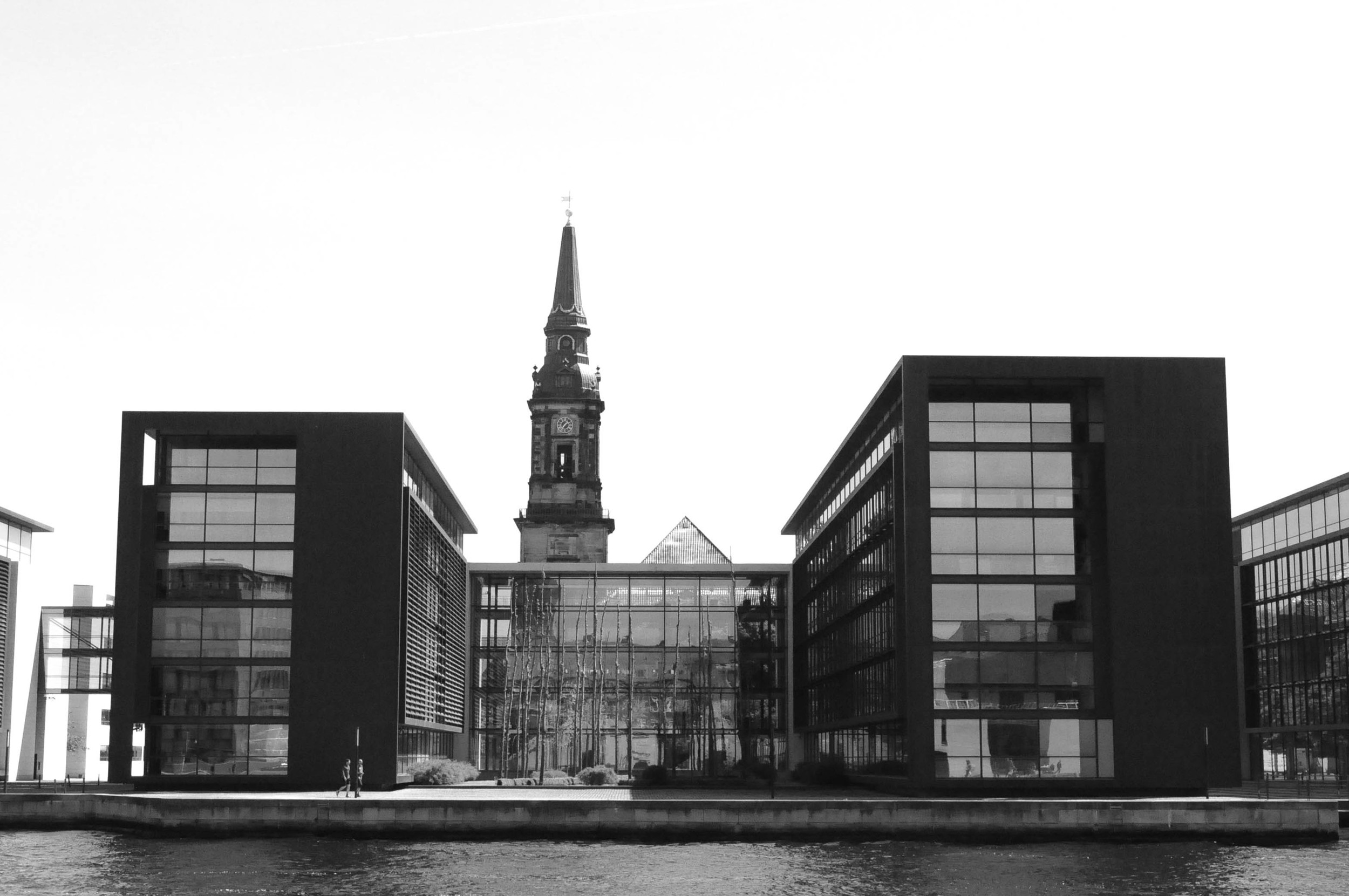
It's buildings comprise a full range of styles, all the way from the 17th century. In my opinion, however, it's the contemporary buildings which are some of the best: the Copenhagen Opera House and the Axel Towers to name just two.

Unlike the tall and bulky buildings in the US, Asia and the Middle East, Danish designers tend to focus on the details, such as fine shapes, curves and materials. As a result, the city has avery soft, and even feminine, feel to it. 

But my love for Copenhagen architecture is as much about the spaces between the buildings, as it is the buildings themselves. People here are not pushed to the edge of streets to make way for cars, and public spaces are not simply an urban designer's afterthought. This is a city where buildings have been shaped around open spaces - not the other way around. 


Fashion

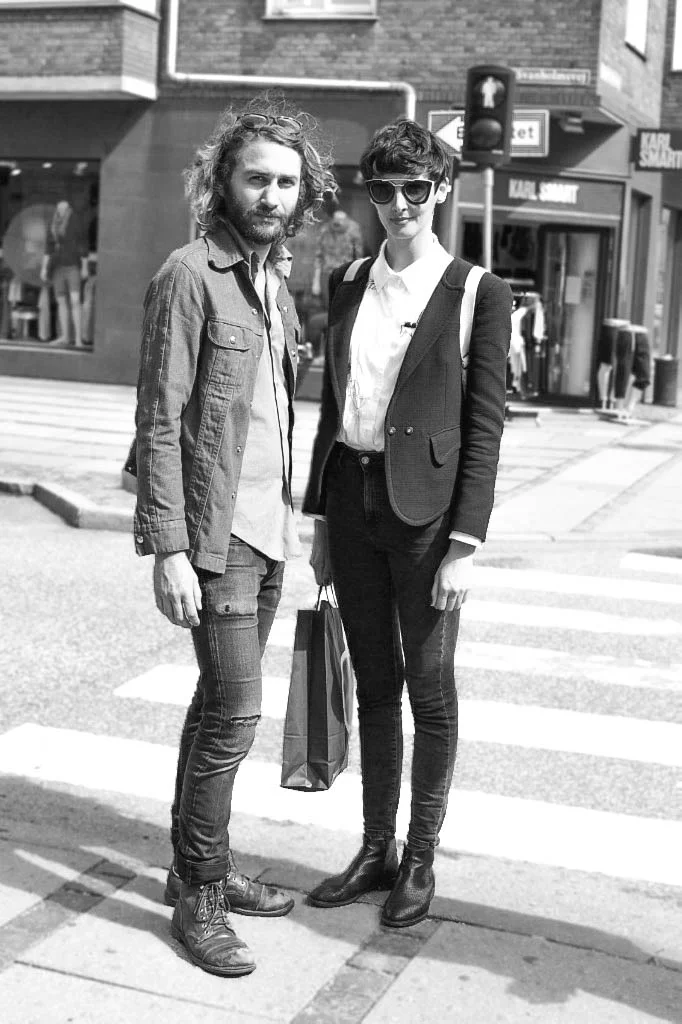
Copenhageners are a stylish bunch of people, but not in some 'edgy' up-your-own-ass-east-London kind of way. Instead, just like Copenhagen's architecture, nice design seems to be deeply embedded into Danish culture.

People on the street - young and old - have a generally distinctive Danish look: cuts are low and slouchy and logos are minimal. And even those who mix it all up and do something totally different still tend to look classy and timeless.

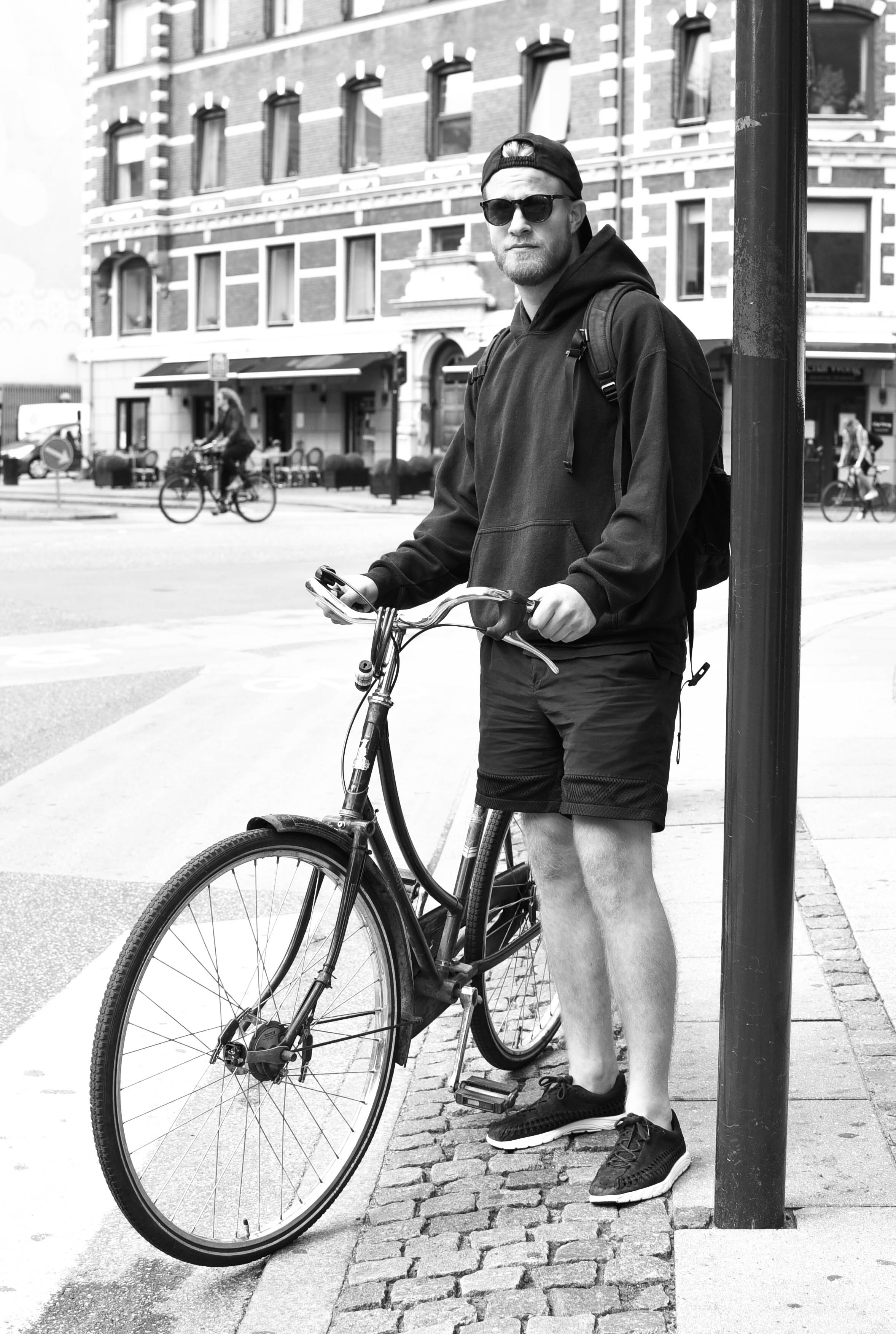
Andrew, the States and Delia, France.... Both spend a lot of time in the city, and love Norrebro for its clothing stores and bars.

Andrew, the States and Delia, France.... Both spend a lot of time in the city, and love Norrebro for its clothing stores and bars.

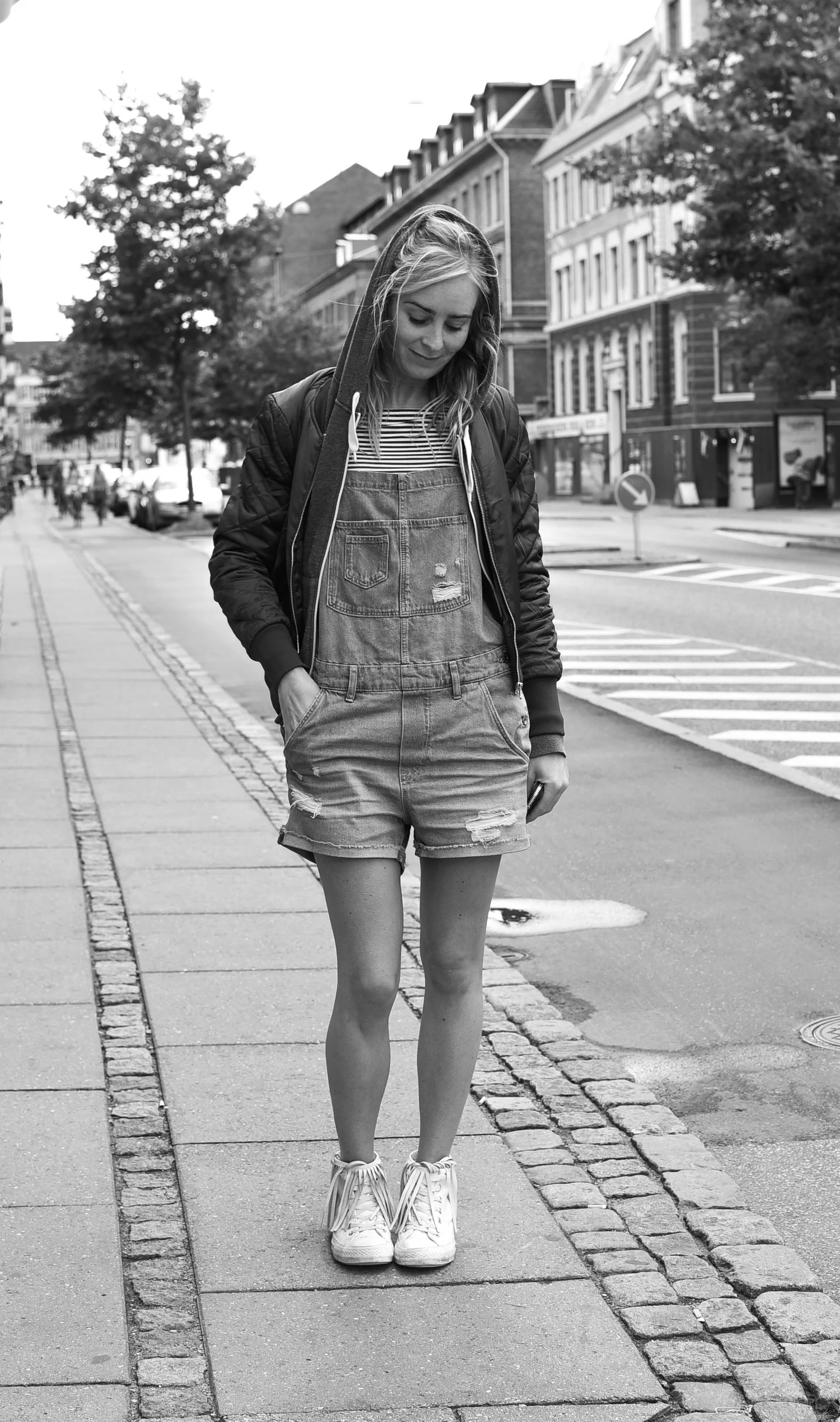
"Ahh I have a hangover!" .... Live J.  plays the Cello by night and chills with friends in Norrebro by day . Casual hoodie, denim overalls and white sneakers... Copenhagen-style. 

"Ahh I have a hangover!" .... Live J.  plays the Cello by night and chills with friends in Norrebro by day . Casual hoodie, denim overalls and white sneakers... Copenhagen-style. 


The love for bikes

It'd be virtually impossible to write a post on Copenhagen without a mention of bicycles. 

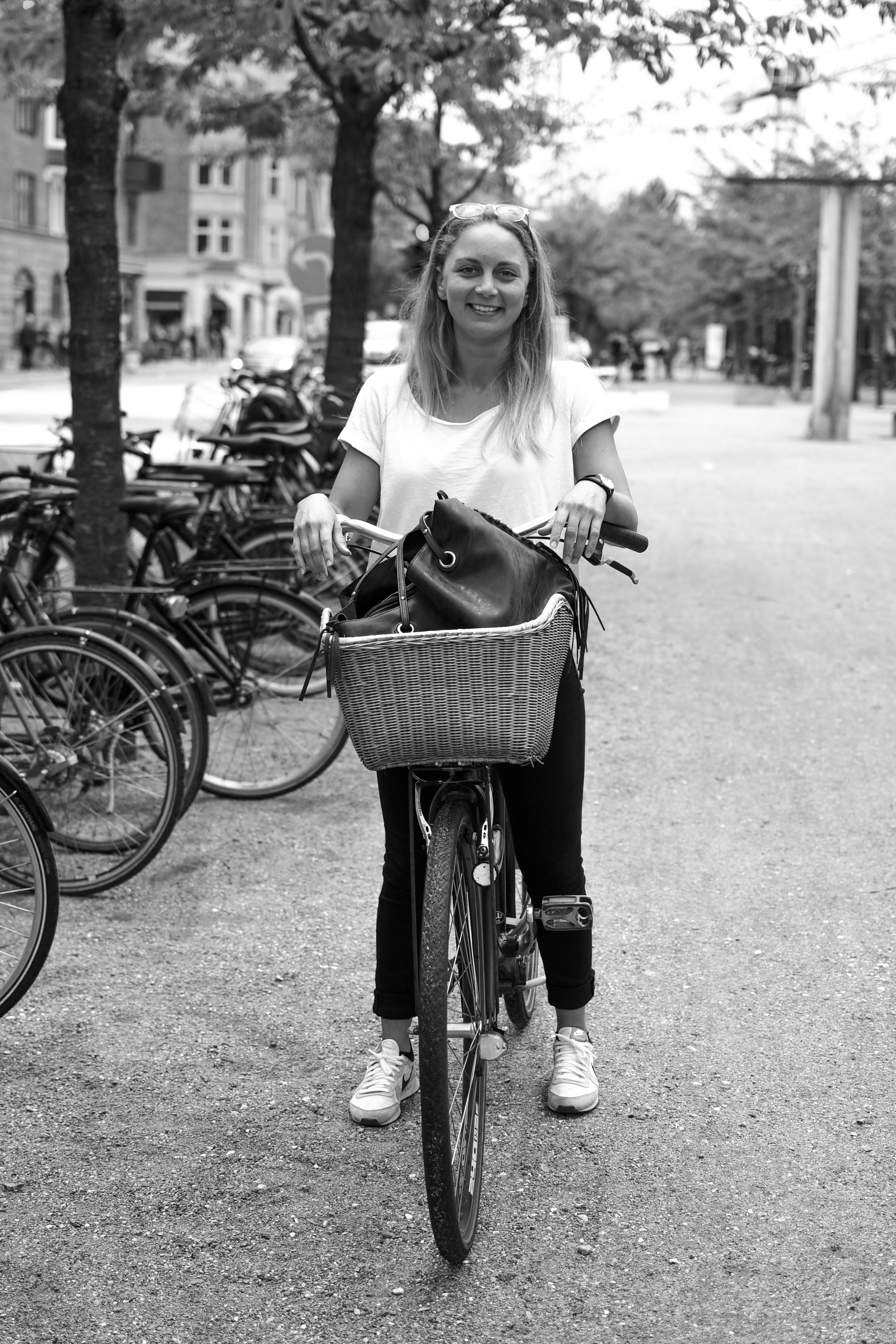
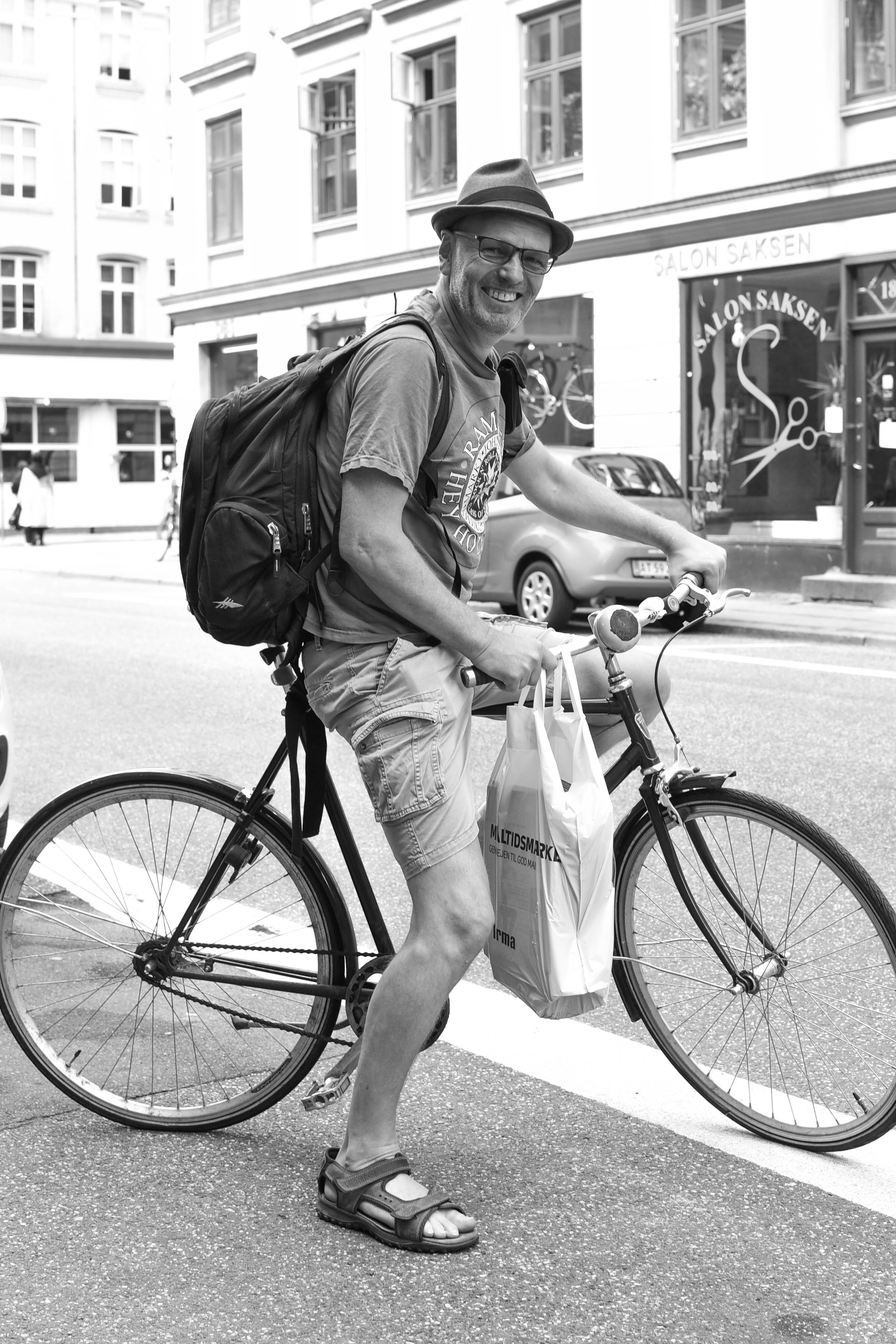
As soon as you step foot in the city, you'll notice that just about everyone is on two wheels. But riding in Copenhagen is not about being a 'cyclist': it's not about lycra, helmets, bells, or reflectors. Bike riding in Copenhagen is about function, mixed with a bit of your own personal style. 

With lanes separating bikes from cars, moving through the city is a stress-free experience. It won't take you long to realise that every place in the world really should Copenhagenize. 


4 insights into the future shape of cities /  by Tom Oliver Payne

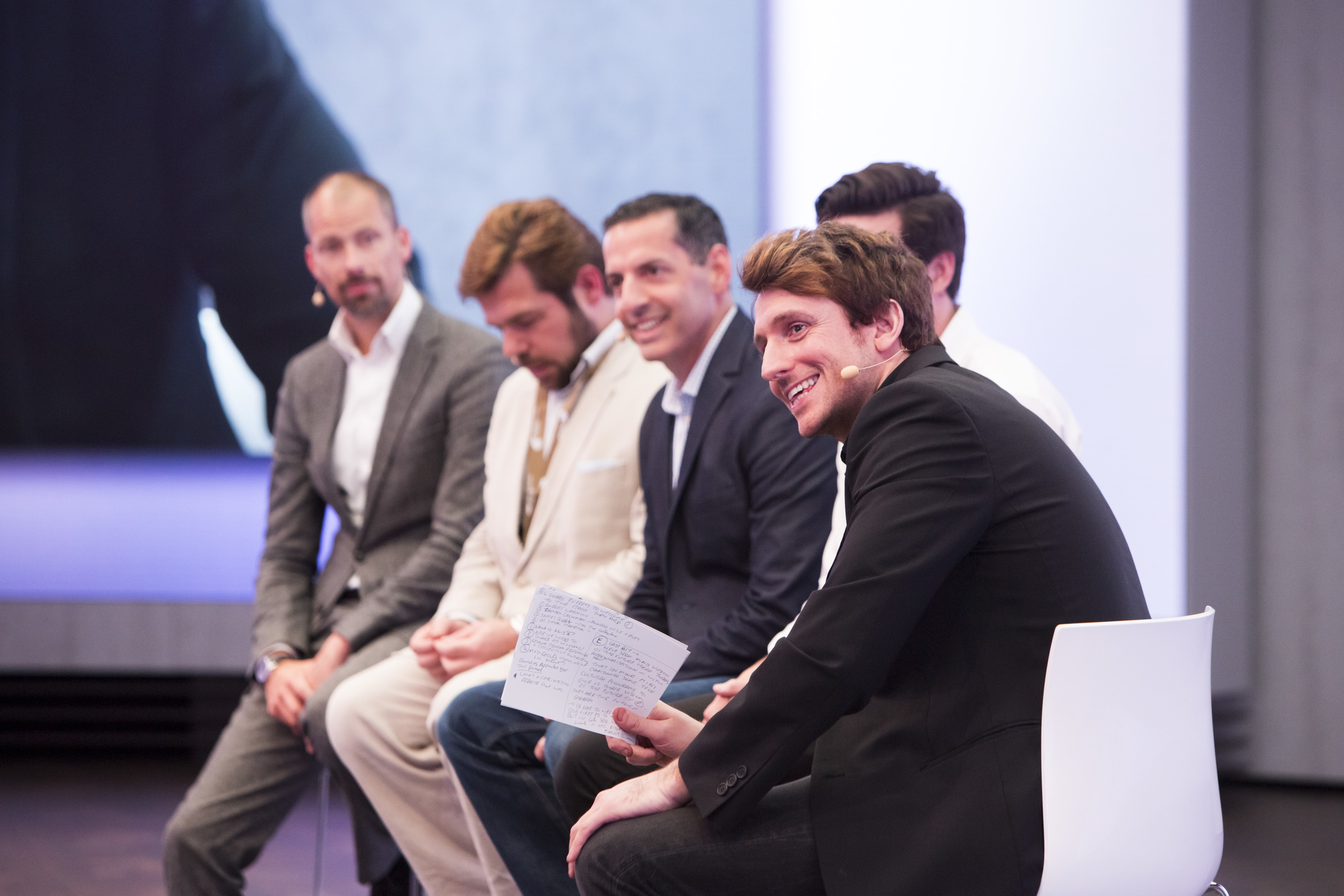
Since I was a kid I’ve been fascinated with futurism, and in particular, the future of cities. Naturally, I was super-excited when MINI invited me along to the ‘Future Shapers’ event.

Heading to London’s Roundhouse last Monday, I had a little think back to how the world has changed in just my lifetime. City skylines were smaller, the internet had hardly been invented, and Walkman’s were still high tech, portable technology. How could anyone back then have ever imagined the world we live in today?

As I entered the bright and beautiful auditorium, I grabbed a beer and had a chat with a friend about the innovative technology we were probably about to see. I guessed intelligent, self-driving cars. He guessed new car to mobile app technologies.

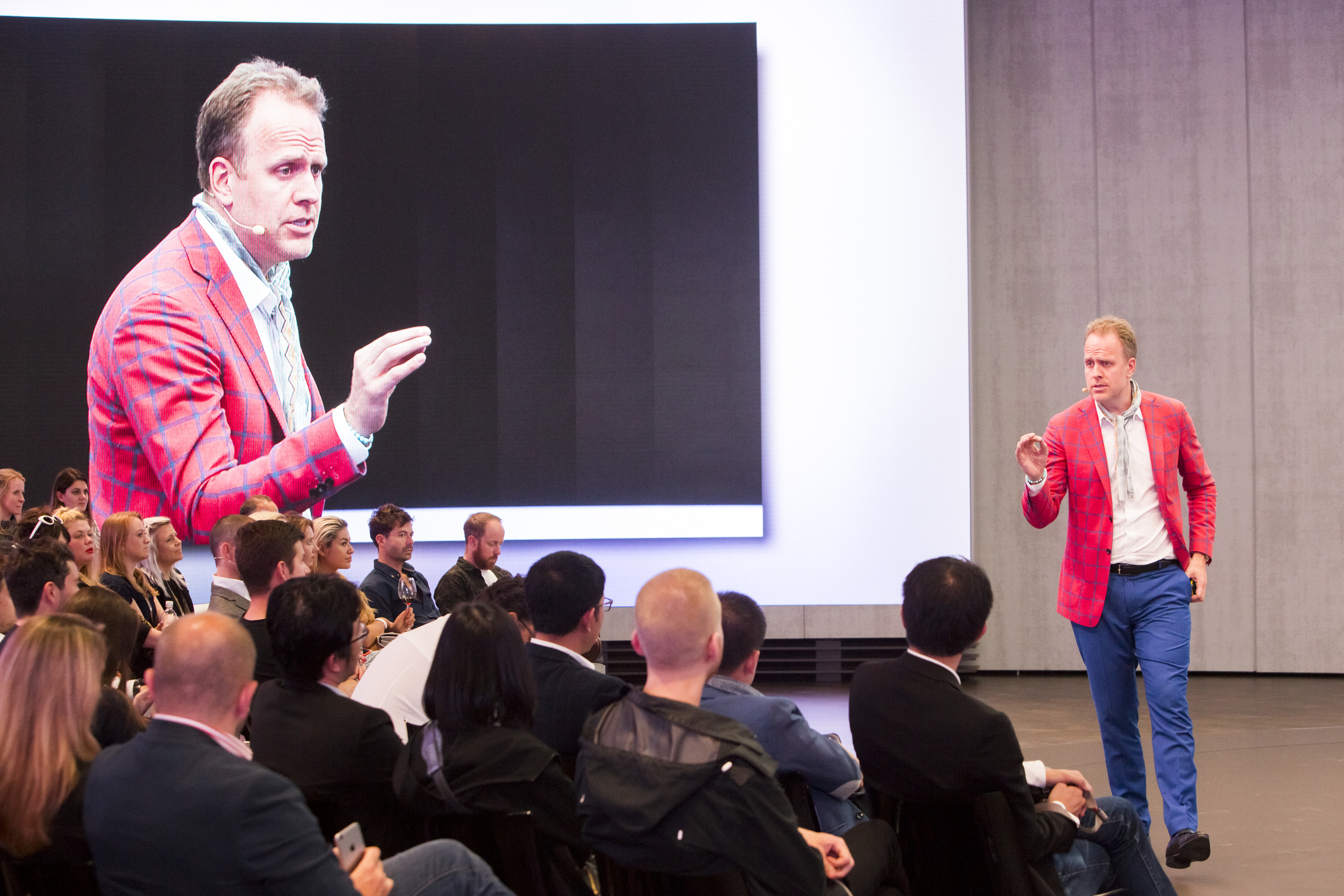
But as Mark Adams, Head of Innovation at Vice, took to the stage, we quickly realised that the future that we were about to vision, was not just about creating the newest and best technology, but was also about innovating our ways of thinking.

Here are 3 of my favourite insights into the future of cities from the event.

1. Cities will be collaborative

Speakers with expertise in psychology, property and design took to the platform to speak about the importance of ‘collaborative consumption’ and the need to address global problems by evolving into a society which shares.

It only takes looking around a city to realise that the way we eat, live, and travel is unsustainable. And with the world’s population growing so quickly, it's easy to see that at our current rate, it won’t be long before we all run out of clean air, clean water, or simply, space to live and move.

But by sharing buildings, cars, bikes and services (made possible with apps), we’re quickly evolving into a society which can better reuse, rather than waste. It won’t really matter who owns what, because at the end of the day, by sharing, we all save time and money. It just makes sense, right?

2. Less will be more

Gone are the days of mass consumption, sterile shopping malls, huge cars and unnecessary gadgets. The future of cities will be about minimising everything from the space that we use on streets, to the time that we spend getting to and from work to maximise time with hanging with friends and doing the things we love.

Already in the past decade or two, young people have opted for smaller, shared housing in urban areas to cut down on travel times. In places like Japan, we’re seeing young people completely cut down on possessions altogether.

Our parent’s generation was the era of consumption, but this century’s urban generations are more satisfied with experiences over things.  Sharing a car and flat won’t be a problem when your possessions comprise just a couple of digital tablets and maybe a bike and book or two.

mini100-273.jpg

3. ‘Mobility’ will replace ‘cars’

Once only a possession for the wealthy classes, the 1950s saw cars become a product for the masses: people were given freedom to move where they wanted – whether in a city, or between cities. They became a symbol of adulthood, freedom and independence.

But it wasn’t long before the car began to dominate. Roads and car parks ripped through city centres as we became unhealthy dependant on the machine with four wheels. But by recognising problems with congestion and pollution, brands like BMW are now part of the solution to quickly improve urban transport, and help the natural environment.

Explaining that car parks now comprise 30% of our cities, futurist Magnus Lindkvist, told us how cities of the future will improve by swinging back the pendulum away from car dominance.

Instead of simply talking about ‘cars’, we will talk about ‘mobility’ – an integrated urban system of bikes, cars and public transport. We will choose our transport options based on efficiency, comfort and style, depending on what we feel like, and when.

The cars we do choose to use will be compact, energy efficient, beautifully designed, and constructed from high quality materials, such as the brass and copper comprising the inside of the MINI Vision Vehicle.

Lasting decades rather than years, and carrying dozens of people across cities each day, cars of the future will be a beautiful and efficient addition to our cityscapes. Just like a good watch, they will be cherished and maintained.

mini100-218.jpg

4. Our world will be personalised

Every one of the 7 billion humans on this planet is unique. So why not make objects and environments just as unique as we are?

Last month I met designer Ross Atkin, who is using digital technology to personalise our streets for the blind or less abled. I was super impressed with his work – which is both inspiring and practical. By using technology and data which already exists, Ross’ work can improve the lives of millions.

But as artists Margot Bowman and Marcus Lyall took to the stage on Monday night, I realised that the future of personalisation won’t just stop there. These artists work at the intersection of art and technology, creating bespoke environments which respond to our needs, wants and emotions. Not only can technology help to solve problems, but it can also enhance our day-to-day experiences and pleasure.

As Anders Warming, Head of Design, MINI, showed us how the MINI Vision Vehicle will respond to our emotions through lighting, I started to foresee an urban future which only a few years ago was completely unfathomable.

Objects will no longer just be objects. But just like my smart phone rather than my chunky old Walkman, future belongings will become completely integrated into just about every aspect of my life.

Helping us to move, plan, manage and organise, we create more time to do the all things we love.

Heading along to Monday’s event, I thought I would be checking out some cool technology and design ideas. But I had no idea that the conversation around the future would open my mind to so many interesting insights into the way we might behave, and perceive the world around us in the future.

It made me super excited to see the shape of things to come. I’d love to know your thoughts – what is your ideal future city?

The BMW Group Future Experience, showcasing MINI’s Vision Vehicle is taking place at the Roundhouse in London until Sunday 26th of June. Visit www.mininext100.co.uk or @MINIUK for more information.  #MINI #NEXT100

Feature photo: Mark Fischer

Urban photography needs snap judgement /  by Tom Oliver Payne

Taking good urban and architectural photos requires snap judgment to capture spontaneous city moments.

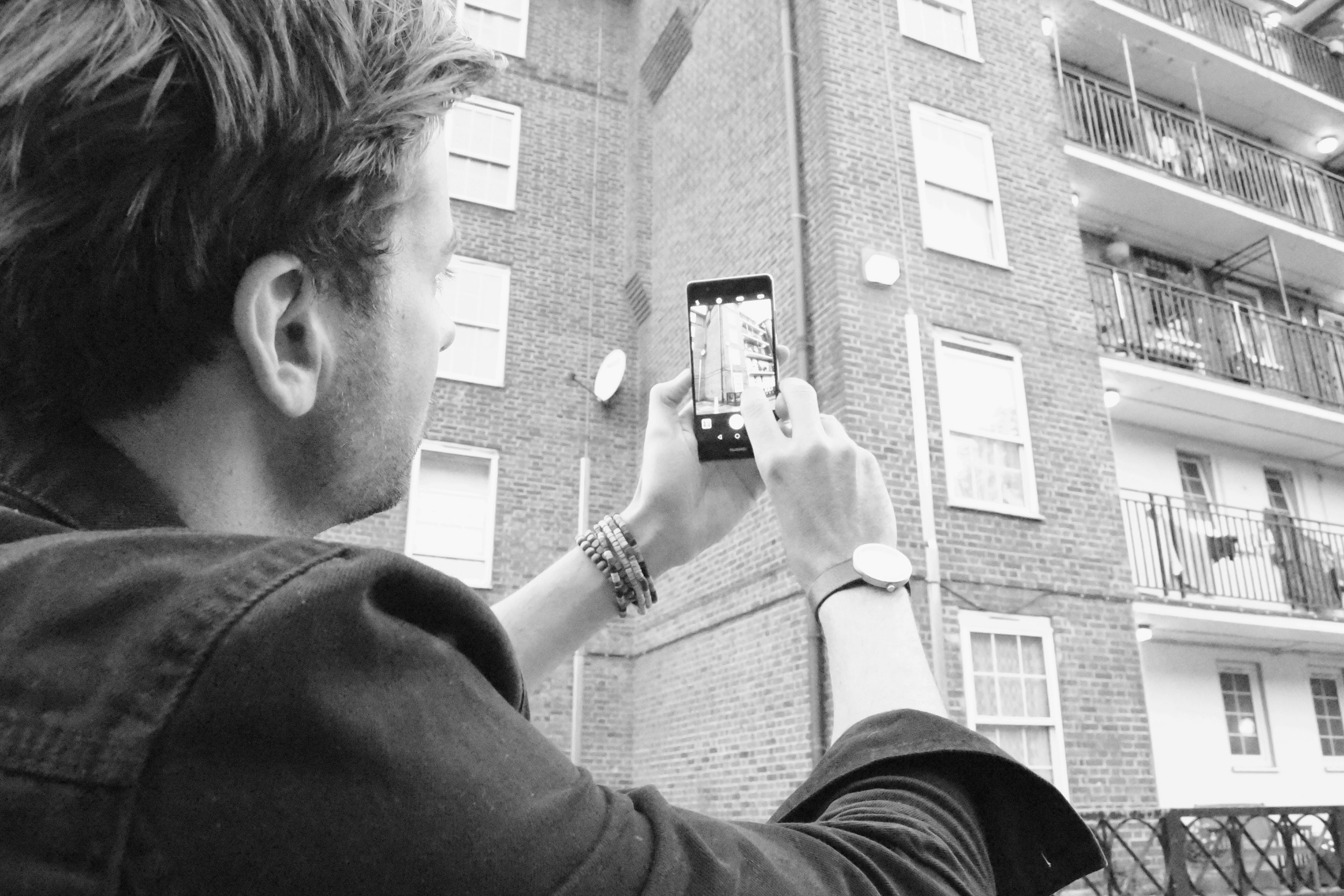
I usually find I get the best shots when I’m least expecting it – the light may looks particularly nice when I’m out to meet friends, or the roads may be emptier than normal on my way to work. But because carrying a big DSLR camera around can be pretty damn awkward, I’ve been waiting for the day that a camera phone is just as good in quality.

After hearing that EE was bringing out the Huawei P9 co-engineered with one of my favourite camera companies, Leica, I was super keen to try it out. Thanks to EE, it wasn’t long before I had one in my hands on one and was heading out for a day on my bike in London.

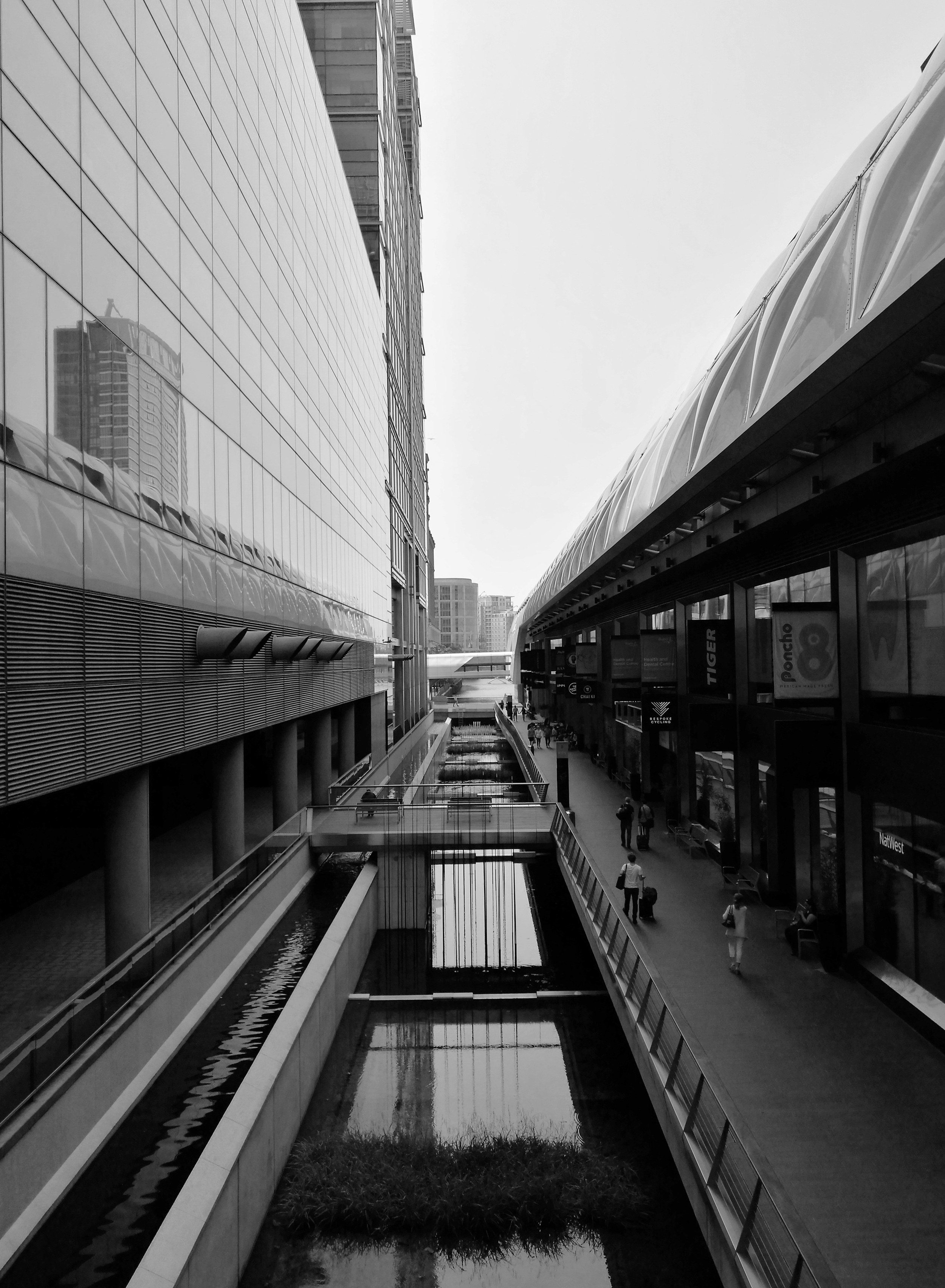
Riding towards Canary Wharf, I checked out some Brutalist architecture in London’s east end. From Balfron Tower to the Isle of Dogs, I meandered my way through dozens of estates, capturing the shapes of the concrete buildings around me.

Lying awkwardly in the grass, trying to get a photo of famous 1970s, Robin Hood Gardens, I was approached by an elderly man who told me that the buildings would soon to be demolished. I suddenly appreciated the ability to capture these buildings at this moment in time, right before the neighbourhood was to vanish… And who knows, the photos might even be worth money some day.

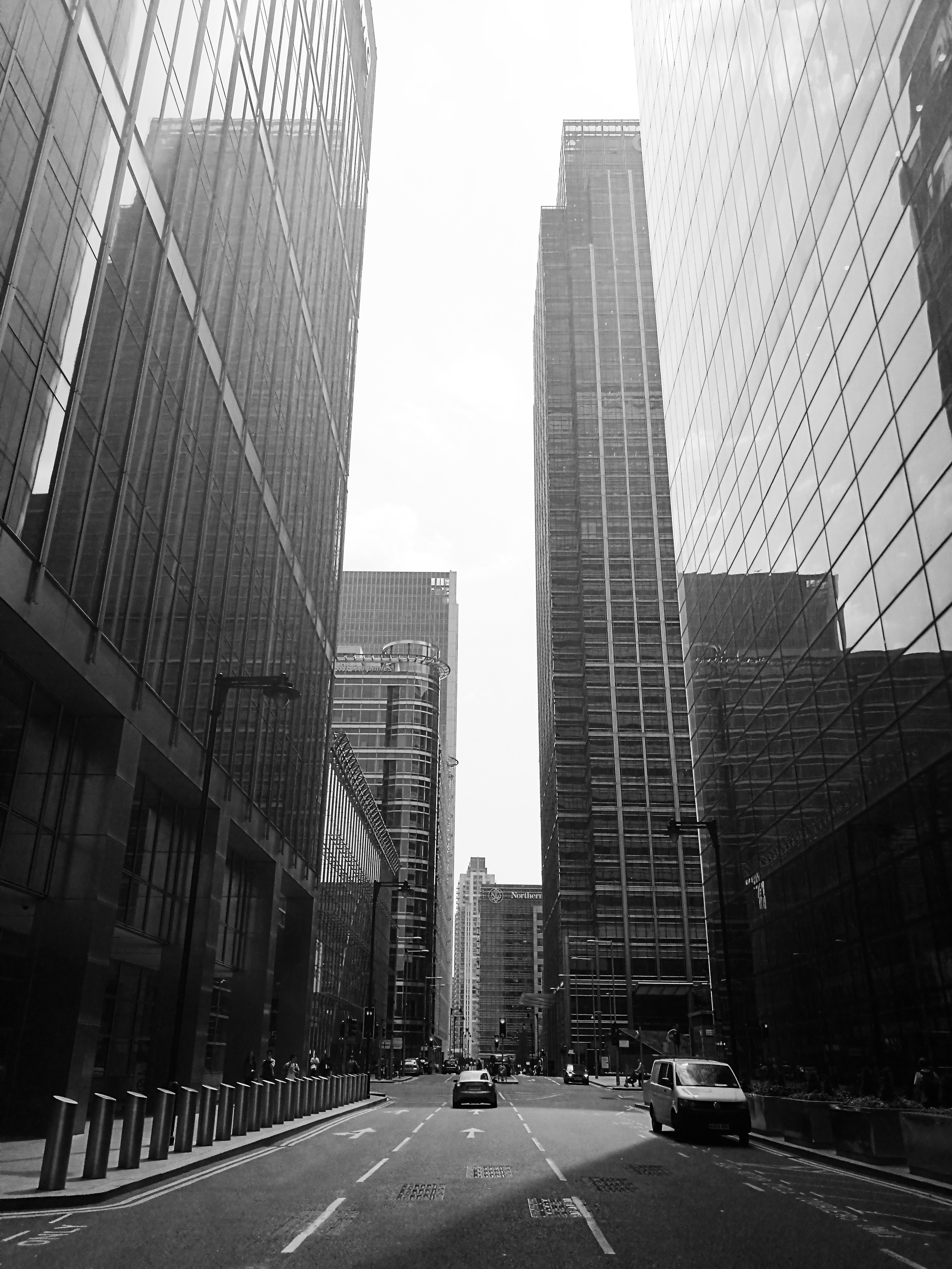
As I crossed into Canary Wharf, I was amazed by the sudden contrast from the 1970s concrete buildings I had just left to glass and steel now towering above me. I was now looking at some of Europe’s tallest skyscrapers - all mirroring the beautiful blue sky and fluffy clouds above. While I would never want to live or work in this financial district, I knew that when the sun was out – like it was today - it was an awesome place to photograph.

As I pointed the Huawei P9 towards the towering office blocks above, I appreciated the camera’s wide lens, which helped me to fit the enormous buildings in frame. This is something I’ve always used on my DSLR, but have never had the benefit of on a camera phone. And just like my camera, the P9 also comes with manual features like shutter speed and ISO, which enabled me to make the most of the heavy shadows over me when converting to black and white.

I soon found myself riding through London’s city centre, photographing the strange triangular shape of the Leadenhall Building, the dome-like roof of The Gherkin and the rugged rawness of the Barbican Estate. After a week of rain, I couldn't have asked for better weather to shoot in.

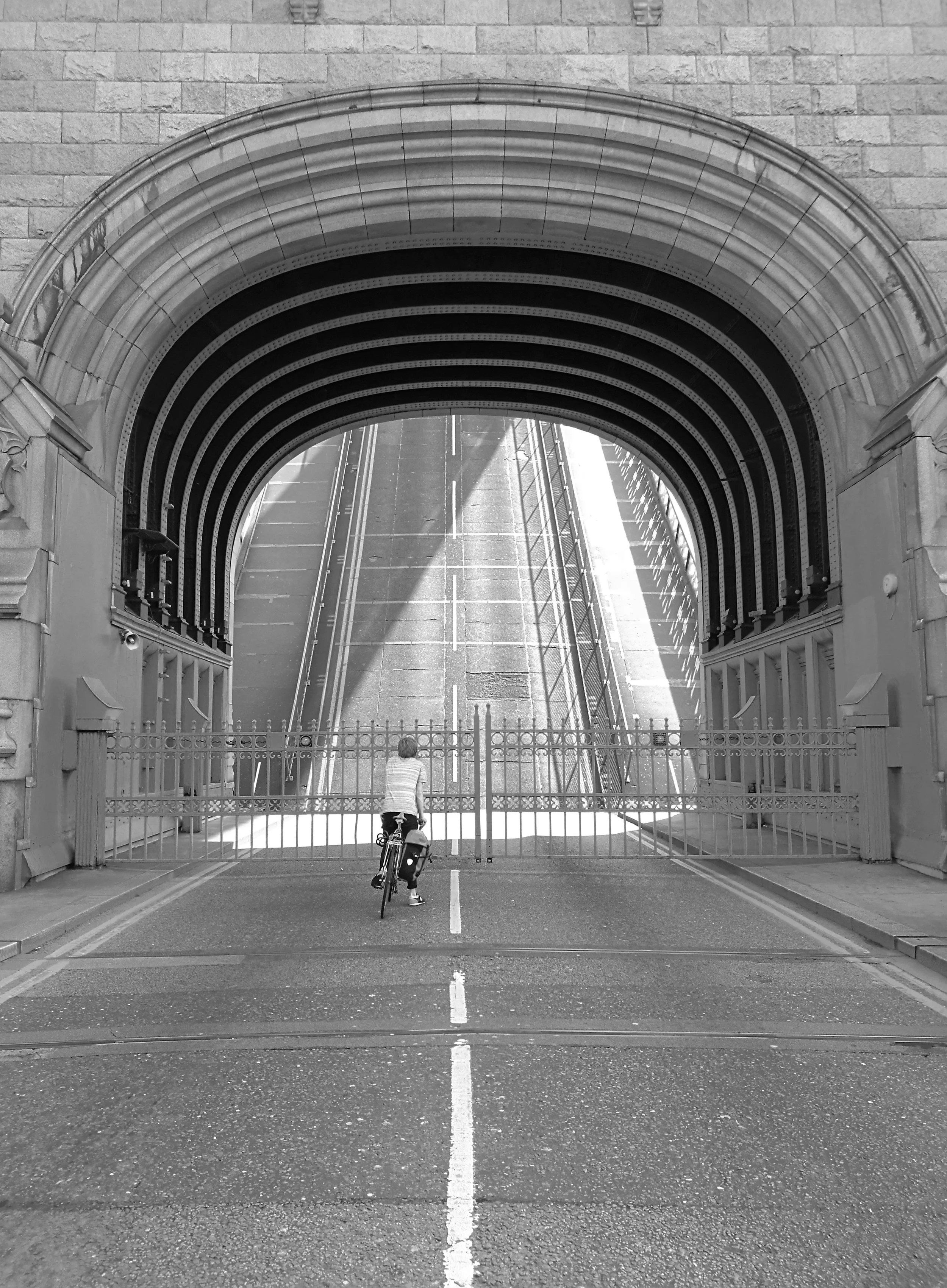
Towards Tower Bridge, I was confronted by a bottleneck of traffic, and soon realised that the bridge had risen to let a boat pass through. After years of living in this city, I’d never seen this old bridge open its gates.

6.jpg

Just as a cyclist rode ahead of me, the road over the bridge ahead lifted itself vertically. I quickly took out my phone and grabbed a shot of the man on his bike in front of the vertical road. As I looked at the photo I’d just taken, I realized how few people would have had the opportunity to capture such a moment. Standing in the middle of one of the world’s most famous bridges, I snapped a view that few others had seen. A spontaneous moment forever recorded - I was quickly falling in love with having a high quality camera phone.

As much as I love my DSLR, taking the P9 out for the day showed me that the concept of the camera phone has now been reinvented and can almost compete with even the best digital cameras. Unlike DSLRs however, it fits straight in my pocket, ready to capture any moment, at anytime. The marriage of EE’s super fast network and dual lens camera makes the Huawei P9 the perfect smart phone when I’m on the road and want to capture spontaneous moments.

All photos taken on the Huawei P9. In collaboration with EE, the 4G Network that’s 50% faster than O2, Vodafone and Three. 

INSTAGRAM


Creating digital cities: Interview with Ross Atkin /  by Tom Oliver Payne

Time is flying, and the world is developing at a rate of knots. Blink and we’re onto the next iteration of iPhone. The world is changing, and quickly. I mean, who knew that it’s been 100 years since the first BMW went into production. To mark its centennial year, the BMW Group and its four brands – MINI, BMW, Rolls Royce and BMW Motorrad, are exploring groundbreaking technology that will affect how we live over the next 100 years.

MINI particularly has always been recognised for its personalisation in design so it’s fitting that as part of the centenary year it has created the ‘Future Shapers’ project. Bringing together cutting edge designers Marcus Lyall, an audio-visual director, Margot Bowman, a multi-media artist, and Julia Koerner a fashion designer, to explore the future of personalisation in design, technology, fashion, and mobility.

MINI’s project inspired me to find other pioneers doing great things to improve our future. I’ve often wondered why technology isn’t more widely used to improve cities. It seems kind of stupid that we can chat face to face with friends on the other side of the world at any given moment, yet I have no idea when a free black cab is going to pass or when the traffic lights will change.

This is when I discovered Ross Atkin. I interviewed Ross - maker of Sight Lines - about his own vision for the future of mass personalisation.

As a designer who integrates technology into public spaces, and gives talks around the world on how we can better use technology in the city, Ross’s work is both inspiring and practical. Focusing his ideas on improving cities for the elderly and disabled, it’s clear his heart is in it for the right reasons.

Trained as an engineer, Atkin worked in design before getting involved in technology for cities. From this experience, his focus has always been on the small-scale – creating specific items for specific purposes, “by working from the ground up”, he told me “we’ll end up shaping an amazing future.”

Most of Ross’s work focuses on street design and using technology to help disabled people to navigate the city. He does things like create street lights which brighten for pedestrians with poor vision and has created an app which tells its user whether access routes are open. By following his ambition, his day-to-day work has branched out into a whole range of areas. He now creates a wide range of products, as well as advises companies and government bodies.

photo-product-21.jpg

I had never given much thought before to how difficult it must be to move about the city as an elderly or disabled person. Ross explained to me the frustrations of people bumping into a temporary sign, or walking onto the road when there’s no way of knowing the pavement will end. I soon realised that for many people, the whole idea of trying to navigate the city – which changes every day – seemed pretty damn scary. My constant complains about bad bus timetables and traffic lights suddenly seemed pretty petty.

Chatting with Ross, it became clear to me that although his interests are broad, he’s mainly passionate about improving urban environments for people who need it most, “different people experience different things in cities which are inconvenient and annoying,” he told me, “I’m very interested in working with disabled and elderly people because the level of inconvenience they experience in cities is much higher. So, there is an amazing opportunity to make a big impact.”

With over half of the world’s population now living in cities, and with an ageing population, it’s easy to see just how big an impact this will have. The race for cities across the globe to become more beautiful and more ‘liveable’ has begun, and technology will no doubt play a huge role in the way this race folds out.

In addition to creating apps and responsive street furniture, one of Ross’s coolest technology projects is called ‘Sight Line’, which enables people with bad sight to learn all the details of construction sites through a transmitter, or app. Not only will the pedestrian quickly know how wide the construction site is, but they will know how long it will be there and even how to get around it.

“Construction works on footpaths is seriously hard for the visually impaired,” Ross told me, “if somebody can’t access the path that they normally take, and they have no idea how to get around the construction works, they can get completely stuck.”

The awesome thing about Sight Lines is that it taps into existing data already recorded by contractors, so there’s no extra management work needed. By using existing technology and information, Ross’s work is able to completely transform the way people interact with their surroundings. Pretty cool.

When I asked Ross how he imagined the future of cities, he told me that it would probably look something pretty similar to today. Slightly disappointed, I asked, “no changes at all?”

Ross explained, “I just don't really buy into the idea of having a ‘grand vision’ for how the city will look in the future. Instead, I’m focused on solving the problems that exist right now, with the technology we have today.” He imagines an incredible future with amazing improvements, but he doesn't think we’ll get there by drawing big plans. Instead, he thinks, we should focus more on making practical improvements to all the little things - one at a time.

With such simple, yet useful ideas, it was awesome to meet Ross who is at the forefront of creating products that will undoubtedly help to shape the future of our cities.

As part of MINI’s Future Shapers project, in the next few weeks I’ll have the opportunity to see how MINI is exploring its own vision of the future as part of its exhibition ‘BMW Group Future Experience", at the Roundhouse 17 – 26 June 2016. The exhibition will look at groundbreaking new technology that will affect how we live in 100 years. Visitors will be able to see a future MINI, a “Vision Vehicle”, that demonstrates applications of this new design and technology in an iconic car.

Visit MINI.co.uk for free tickets.

(And make sure you check out the full interview below!)


Photos and film by Sam D Jackson.


INSTAGRAM


What I loved about Lisbon /  by Tom Oliver Payne

Last week I took off down to Lisbon, Portugal. I spent most of our days romping about the city on bikes, drinking beers and soaking up the glorious sunshine. It took just a matter of hours before I was in love with the city. Here's why:

1.Lisbon is life-sized

Lisbon's streets, buildings and squares have been built at a human-scale. And because of that, the entire city feels intimate. Its parks and squares are bustling with people, small bars and cafes flow out onto the busy streets, and the miniature laneways of the Alfama neighbourhood are full of people - young and old - chatting and hanging out. Forget huge shopping centres, oversized buildings and massive car parks, Lisbon is a life-sized city where people interact.

2. It's colourful

There's no doubt that a lot of cities around the world are a bit - well - grey. Take my city of London for example. It's a great place to live, but weeks on end of men in grey suits, surrounded by grey skies and grey buildings, can begin to get you down.

As my plane descended through the bright blue skies into Lisbon, I saw a city of reds, blues and yellows below. Exploring its streets, everything seemed to be splashed with colour. People's clothes, the building facades, and even the cars were bright and colourful. On top of that, there was loads of awesome street art spread right across the city for constant visual stimulation.

3. Getting around is easy

One of the best things about a small city is that there is little need to drive a car. And not only is Lisbon small, but it's filled with huge sidewalks and beautiful public spaces, bike paths, a underground metro and even a cool little tram network.

Local guide Jorge told me, "in the last few years so many people are riding push bikes. We still have some traffic problems but its getting so much better". Looking around, it was easy to see why. The government is spending tonnes of money into building segregated bike paths across the city and improving public spaces along main roads to encourage people to get out of their cars.

2.jpg

4. The food is amazing

Man, I loved Portuguese food! Tapas, seafood, Enchidos, beer and wine. Just about everything I ate in Lisbon was amazing. But it's not just what Lisboeta's (yep - that's what someone from Lisbon is called!) eat, but its where they eat. Amazing little tapas bars line the street, and hot nuts are cooked up on sidewalks. If you feel like a nibble, its super easy to grab a small cheese and bread snack. There are loads of awesome Portuguese dishes - but make sure you try a Francesinha, Portugese Steak or the local shellfish.

5. The locals love their city

You know a city is good when the locals themselves rave about it. From day one in Lisbon, everyone I met had such an awesome love for their city. From random old people telling me about the history of a place, or local dudes giving me a mini tour guide of their neighbourhood, the passion that people had for their town gave the whole trip such an amazing vibe.

Have you been to Lisbon? What did you love about it? 

INSTAGRAM


Inner Sydney’s best new architecture /  by Tom Oliver Payne

Back in January I returned to my home city of Sydney for a month. As the plane crossed the beautiful harbour, I could see dozens of new buildings now gracing the skyline. Here is - in my opinion - the best of inner Sydney’s new architecture.

1. One Central Park

When I was in my early 20s my friends and I would head to a music night on Sydney’s Broadway called Purple Sneakers... No doubt I was annoyed when the bar was to shut to make way for a bunch of new towers.

Turn the clocks forward a decade and all is ok! One Central Park is beautifully designed (by Jean Nouvel), and with a whole load of bars, shops and cafes, it’d be hard to argue that the new area isn’t an awesome addition to the city. Having now won dozens of design and sustainability awards around the world, this is the sort of development that makes Sydney's architecture a talking point around the world.

I was lucky enough to get a tour by friend of mine, and urban planner, John O’Callaghan. Check out the film below.

2. Dr Chau Chak Wing Building

Known for using unusual materials and incorporating a unique sculptural style, Frank Gehry is one of the world’s most celebrated architects.

In the past he’s been criticised for being a ‘Starchitect’ whose showey buildings overwhelm their surroundings.But in my mind, Gehry brings a sense of humanism to cities, which across the world, suffer from lifeless, boring buildings. And Sydney is no exception to this. It only takes looking at the city skyline to see that many of Sydney's existing tall building architecture is unimaginative and unambitious.

Whether you see it as ‘a beautiful paper bag’ or a ‘treehouse’, the new UTS building is a awesome new addition to the Sydney skyline.

Photo by Jason James

Photo by Jason James

3. Paramount House

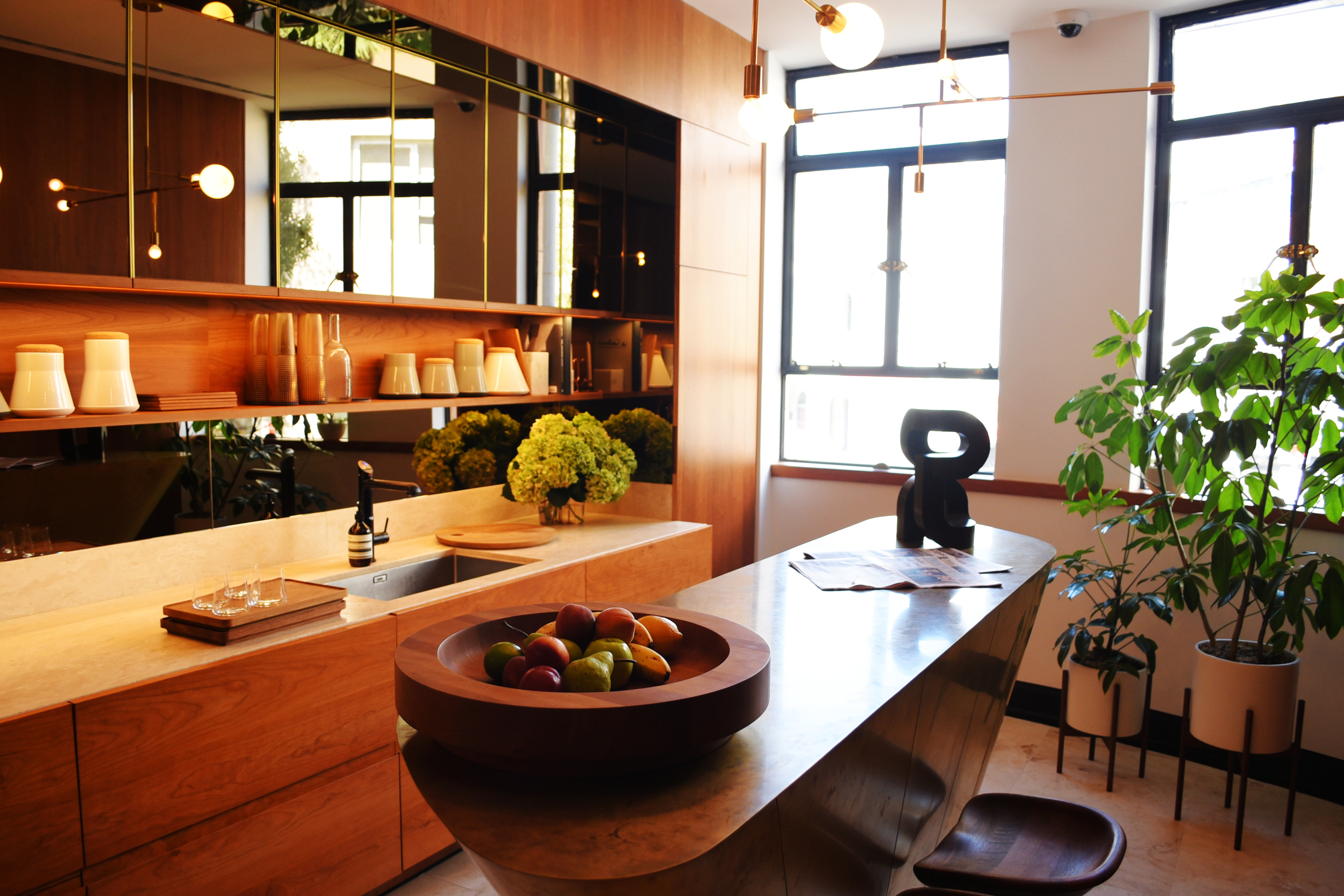
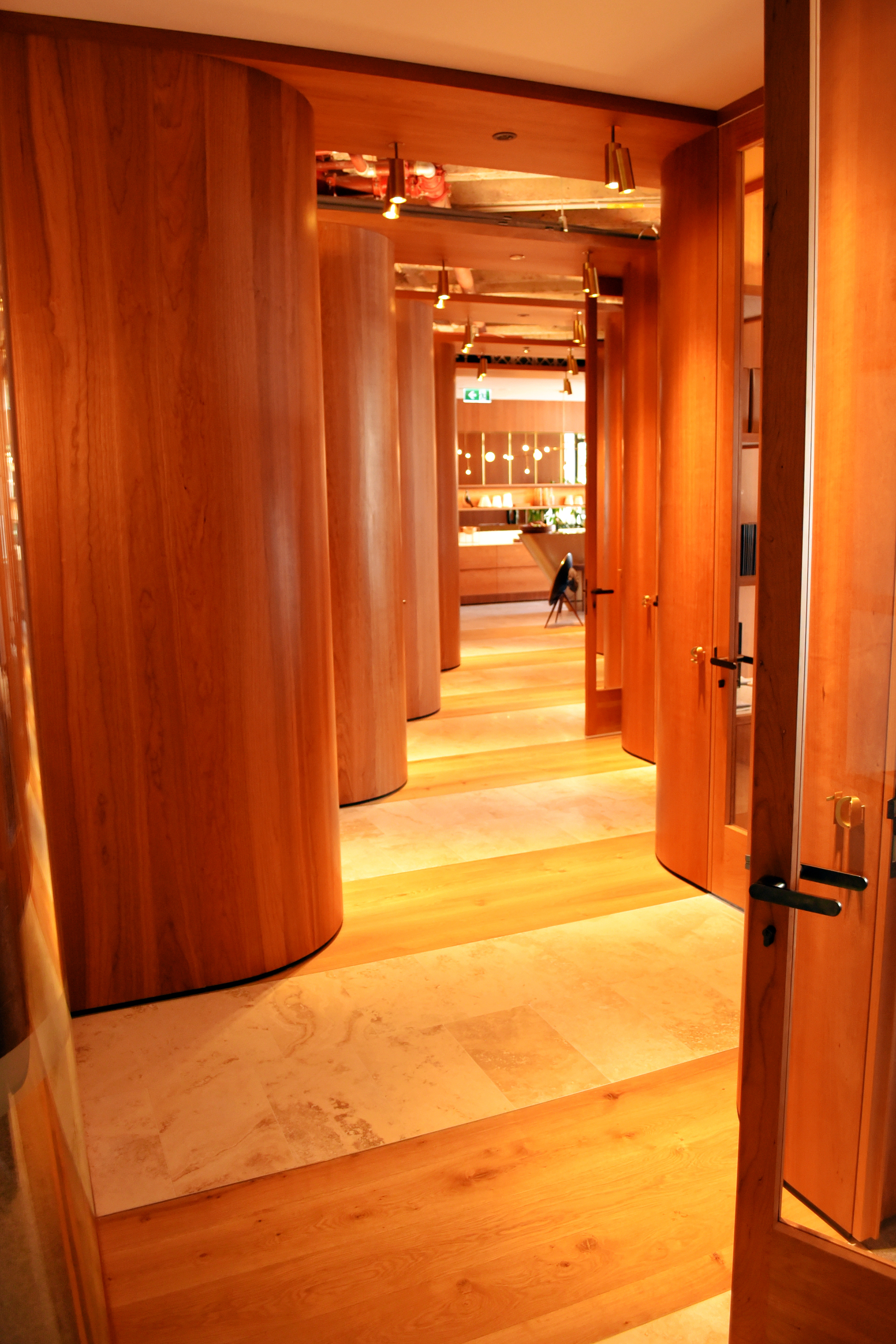
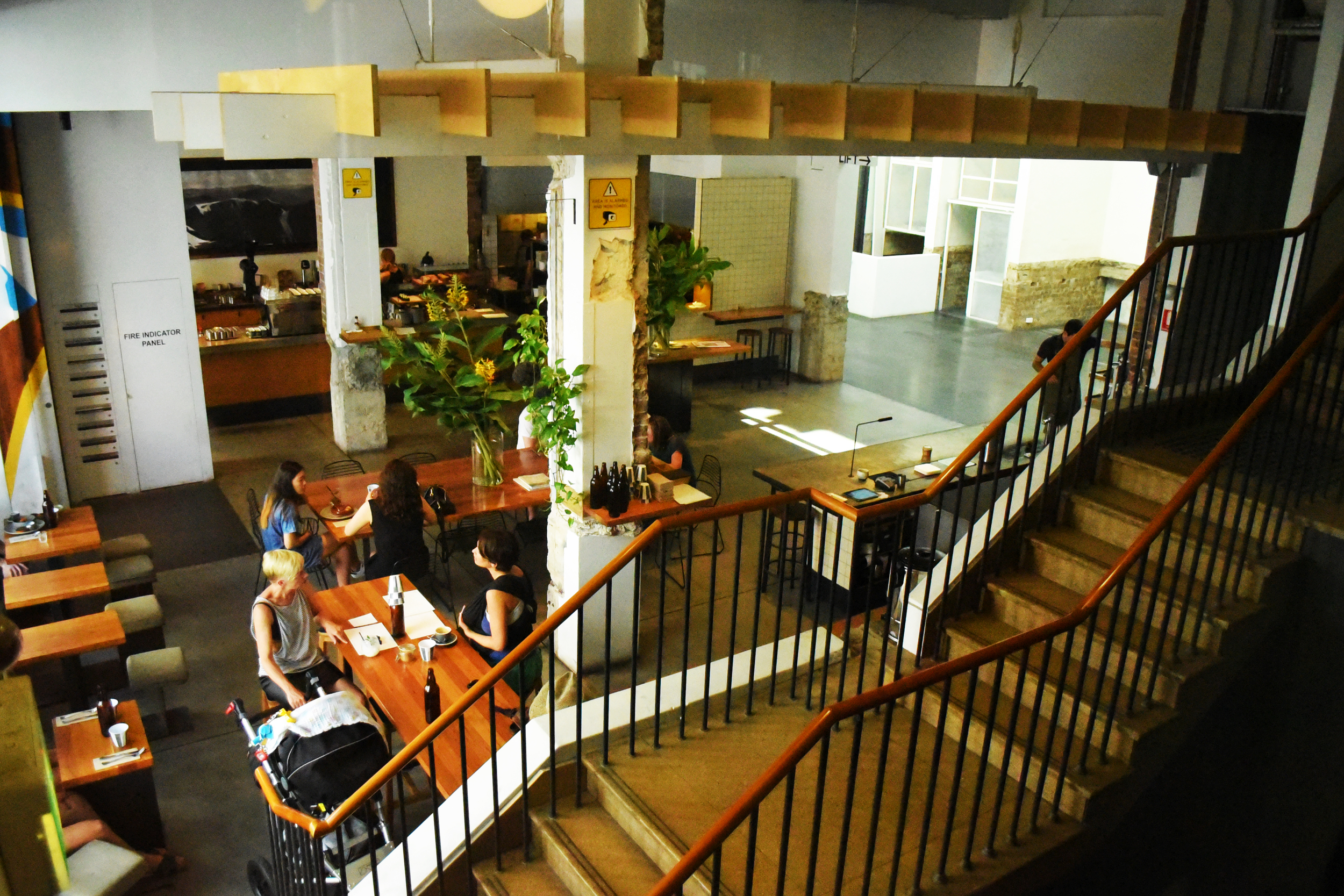
Through the enhancement of a beautiful 1940s art-deco building, the collaborative work of Woods Bagot architects, Fox Johnston Architects and Right Angle Studio, among others, has proved that Sydney's heritage buildings can be beautifully readapted into innovative and creative spaces for modern-day use.

The recent refurbishment has created a dynamic space for a mix of uses, including a cinema, café and workspaces. I was super impressed with Wood Bagot’s use of traditional joinery and artisan furnishings in its incredible shared office space.

Sydney has a strong record of destroying old buildings, so its awesome to see a project like this, which has seen the art-deco Paramount so nicely brought back to life.

I was originally going to include a section on the city's worst architecture, so that I could have a good old rant about Barangaroo. But for now... I'm keeping it positive!

Any other buildings that should be on this list?

INSTAGRAM


Why I like Brutalist architecture /  by Tom Oliver Payne

Brutalism seems to divide opinion like no other type of architecture. Between the 50s and 70s huge, grey, concrete buildings were built across cities around the world. While a lot of people hated their ‘inhuman’ and overbearing aesthetic, the architects designing them thought they were creating a new kind of utopia.

Until a few years ago, I knew nothing about this type of architecture. But it wasn’t long before I fell in love with taking photos at The Barbican Estate, and soon learned a bit about the movement.

Whether I love or hate the look of a particular brutalist building, I now really appreciate what it was trying to achieve. Now, every time I head off to a new city, I seek out these buildings and try to learn a bit about what they were trying to achieve in each place. From scanning the internet, it looks like other people love it too.

The term ‘brutalism’ comes from the French word ‘brut’, meaning ‘raw’. That’s exactly what these buildings are. So different from elegant design and detailing in the past, their designers used rough concrete with hard textures, and showed-off elements of the building that used to be hidden, like lift shafts.

The thing that I think is cool about brutalism is not the way it looks, but that it was designed with the best, optimistic intentions.

After the World War II, Europe was trying to rebuild its cities in a way that fixed a lot of its problems from the past, and Brutalism was all about trying to make buildings as cheap, functional and equal as possible. By making sure the building’s foundations were exposed, architects hoped that the ordinary could be seen as an art form, and in doing so - make them attractive to every person in society - whether rich or poor.

A key element of brutalism in London was the idea of creating ‘streets in the sky’, which would connect apartments blocks or offices. The idea was that neighbours could talk, kids could play and people could walk to work way above the fast-moving traffic below.

In the period of two decades, once low-lying urban areas were quickly transformed by towering concrete structures by architects and planners who envisioned a utopian city, where residents lived equally.

The ideas were cool, but in practice, it didn’t take long before the brutalism movement came to an end. It’s considered a social experiment, which didn’t really work. People soon realised that these buildings created strange ‘placeless’ spaces and restricted pedestrian movement through urban areas, which encouraged isolation and crime.

After harsh criticism for years, many of these buildings were demolished and some have been preserved. In London, my favourite surviving examples are Robin Hood Gardens, Balfron, Trellick Tower, and The Barbican.

The thing that I find super interesting about the Brutalist Movement, is how bold these planners and architects were: they saw a problem in society and they set out to find a solution for it through design. Sometimes I feel like society lacks some of that audacity these days. We have as serious housing shortage in London right now, and no one seems to be doing anything to fix it.

To me, this style of architecture represents a group of optimistic designers who were experimenting with a courageous idea - and that’s pretty cool.

Photos and film copyright Tom Oliver Payne.

INSTAGRAM


Exploring London's 3 best graffiti neighbourhoods /  by Tom Oliver Payne

Ever since I was a kid, I’ve been exploring. And not much has changed now that I’m in my 20s. But when I go somewhere new, I don’t just sit in a café, or see a boring landmark. Instead, I discover random parts of a city, hang with other creatives and check out exciting new ideas.

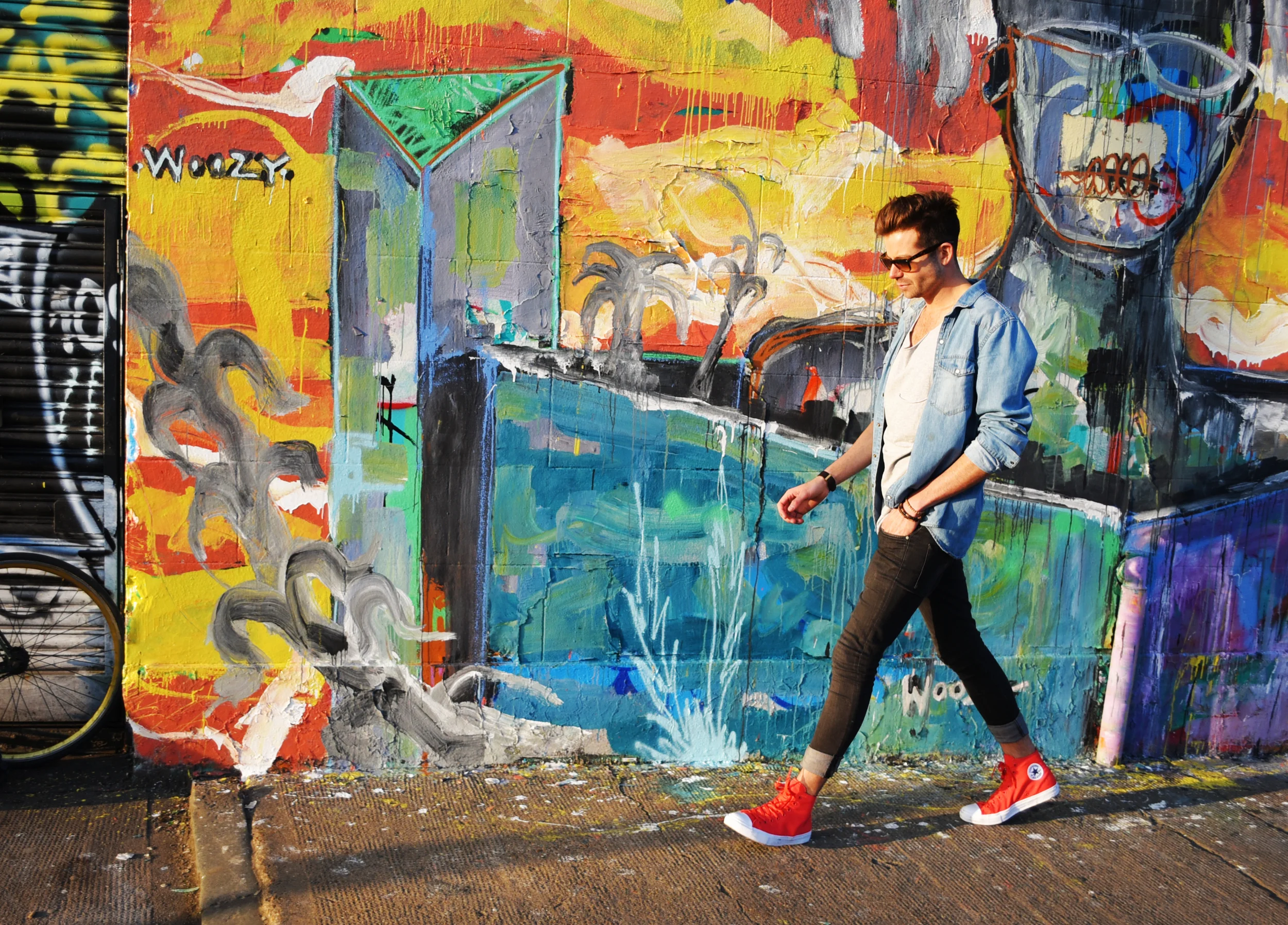
This week I teamed up with Converse to explore my own city like I haven’t before. I decided to seek out the neighbourhoods which not only attract street artists from across the world, but are at the forefront for young artists who are forging new paths.

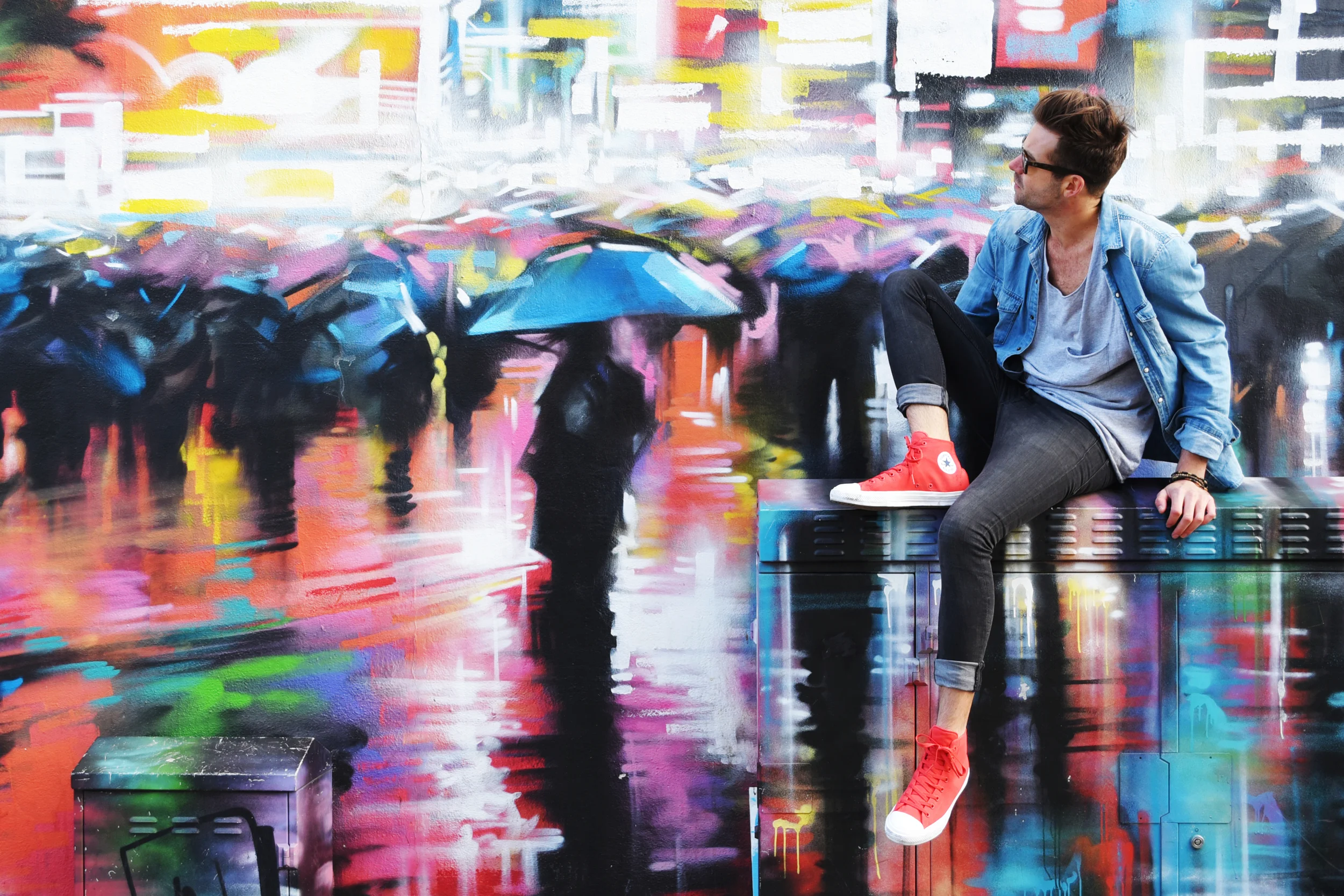
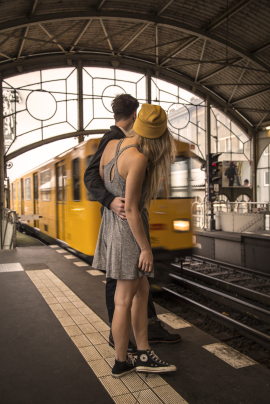
Converse (Chuck Taylor II Neon) was the perfect partner to explore the adventure this incredible city has to offer. Chuck II is a product synonymous with pushing creative boundaries – something which is fundamental to who I am. That, together with a commitment to enabling young people to think bigger, they were a refreshing wingman on my exploration of London’s urban art.

blog-feature-image.jpg

1. Shoreditch

Shoreditch is the centre of London’s street art scene. Streets like Brick Lane may be popular with tourists, but it’s also where artists have their work recognised right across the world.

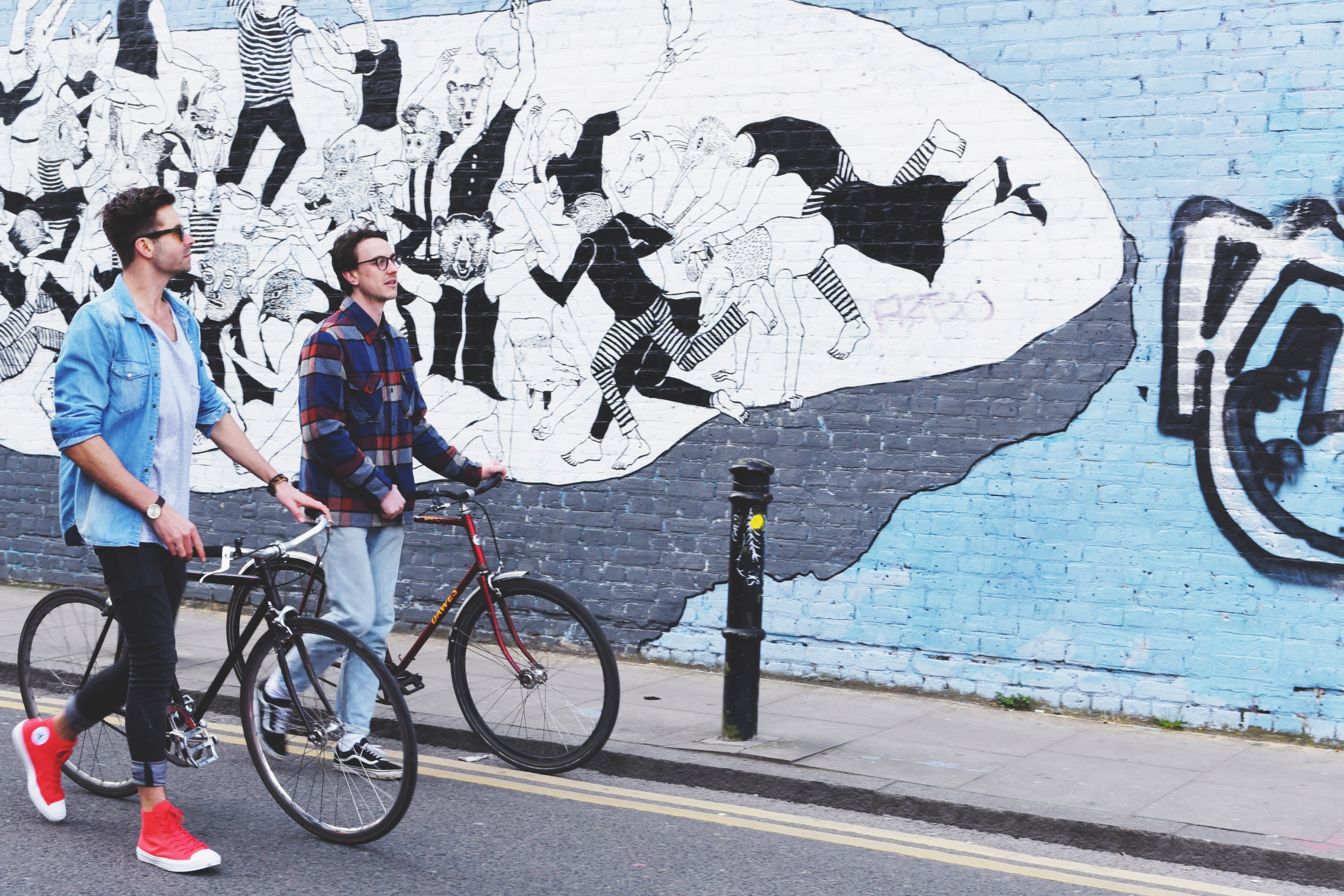
I took off up Hanbury Street, which is coated with some of the best murals I’ve ever seen. Then, heading to the Nomadic Gardens, I met some barefoot hippies and chilled in one of the most colourful public spaces in London. Huge art works spread across the railway tracks and small little throw-ups surrounded the community campfire. Awesome.

Shoreditch may be the centre of London’s street art scene, but that’s not to say leave it off your bucket list – just make sure you explore the backstreets.

2. Camden Town

Camden Town has been synonymous with music and creativity since the 60s. And today, it continues to be more inspirational than ever.

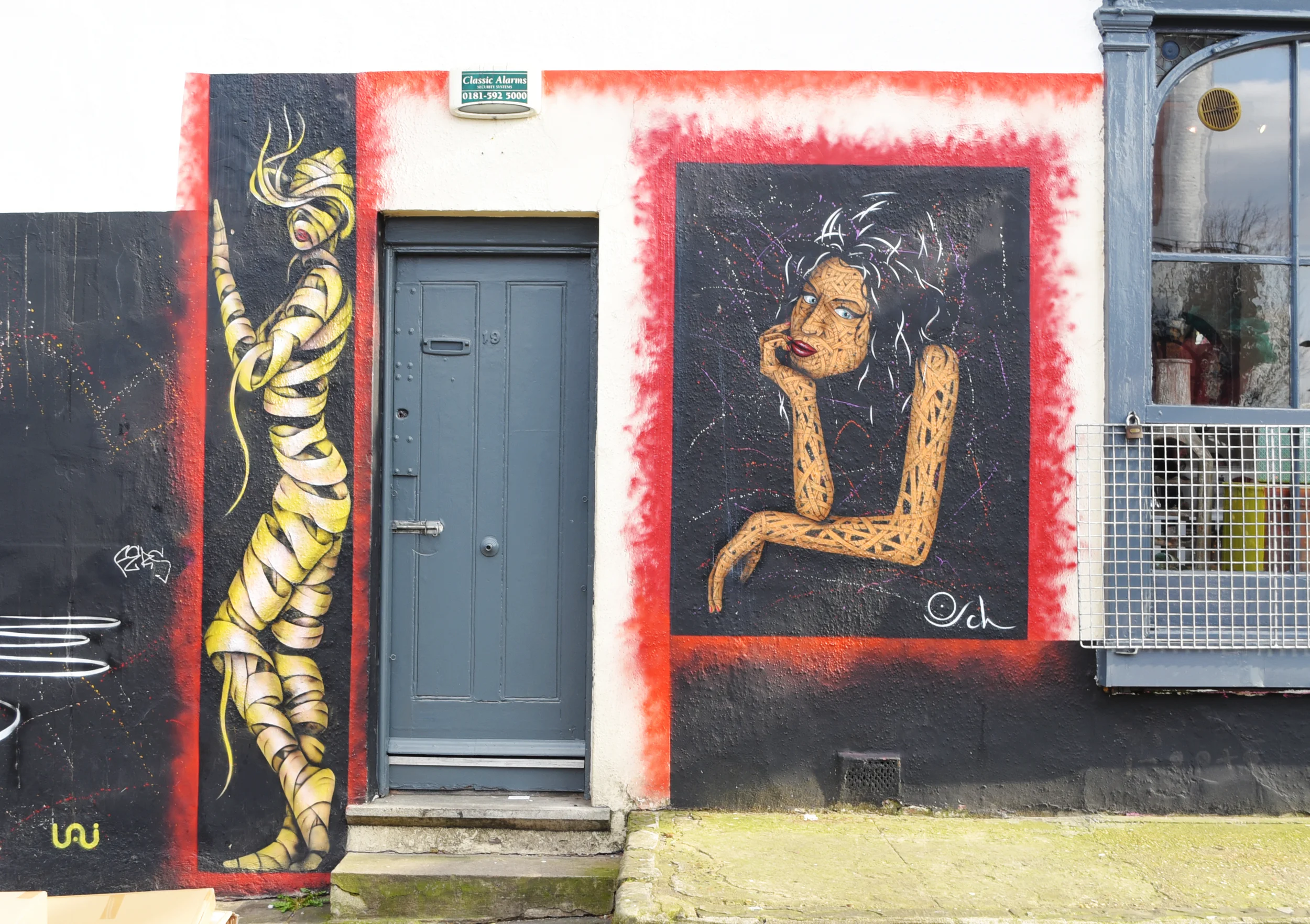
Heading past the world-renowned Camden Lock Markets, it was just a matter of seconds before I was down some laneways and surrounded by some seriously amazing shit. A super detailed artwork by Otto Schade acts as a memorial to Amy Winehouse, and a huge piece by Dan Kitchener is – in my opinion – his best addition to his ‘Liquid Lights’ series.

But there was one bit of paint that caught my attention in particular. Created by Pang, this was beautiful portrait of a recent Syrian refugee in London. Apparently the man came to the alleyway himself to help complete the piece - a cool reminder how art can influence the political world.

Camden’s creative scene has continually broken barriers, and just like the music, its street art scene seems to only get better with age.

3. Hackney Wick

Hackney Wick is a neighbourhood where young people are generally free to make noise, party, and paint walls. Not only does the cheap rent offer the perfect place for creatives to live, but its huge old warehouse spaces give plenty of room for imaginative musicians and artists to experiment with fresh ideas. Just about every wall in Hackney Wick is covered with vivid colours from an emerging new artist.

By the time I was done checking out the The Wick’s graffiti scene, it was time to indulge in some music. It’s a good thing my Chuck II’s were super comfortable for the full day out… and of course a night on the dance floor.

As a young creative in London, it’s important I’m always seeking out the next opportunity. It doesn’t matter where I am, or what time of day it is, I’ve got to be ready for whatever comes my way. Psyched to team up with Converse on this adventure, I couldn't imagine a better collaboration to explore the neighbourhoods at the forefront of the city’s street art culture.

Chuck II's are available from Converse.com.

Photos by Sam Jackson and Mali-Koa.

INSTAGRAM


Music and Cities: Berlin /  by Tom Oliver Payne

When I think of Berlin, the things that jump to mind are huge warehouse spaces, hard techno music, late night parties, and a city of free and liberal-minded people. It was probably one of my favourite films, Berlin Calling, which long ago planted this image in my head.

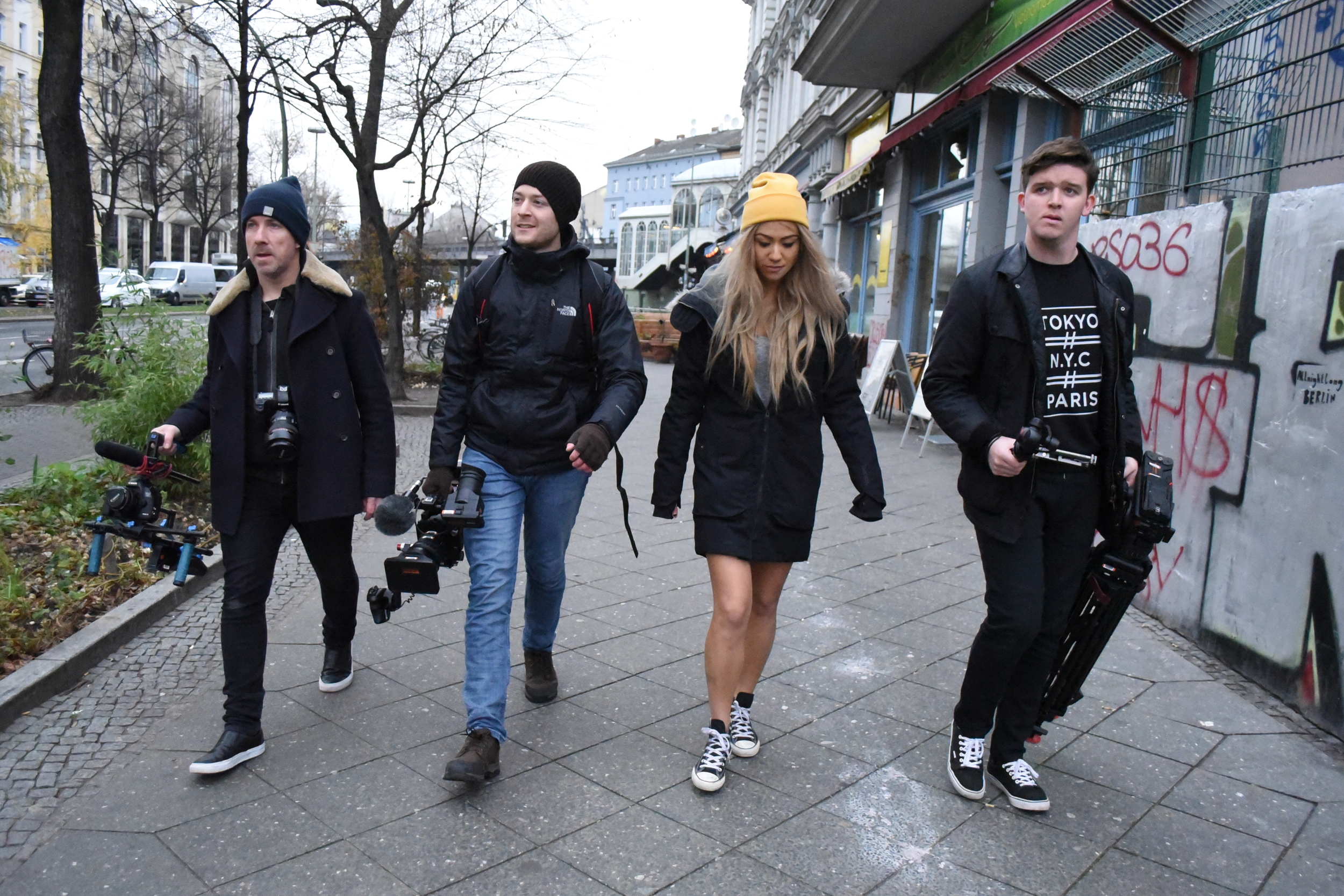
The city is considered the techno capital of the world, and Mali and I wanted to find out why. What better way to do this than to hit some parties, meet some DJs, and talk to the locals and urbanists?

After touching down in Schönefeld Airport, it wasn’t long before we were romping around Kreuzberg. As we explored, it was quick to see that this part of Berlin had a very different look and feel of cities of Western Europe: huge city blocks and old warehouse buildings lined the streets, grey concrete walls crumbled around us and dark alleyways stretched into the darkness. The neighbourhoods felt hard and weathered: an exciting, unrefined vibe, far from the lights and glitz of Champs-Élysées.

Trying our best to avoid the sub-zero temperatures we hustled into a coffee shop to meet long-time locals, Fanny Rybarsch and William R Wilkendorf. As city enthusiasts and owners of street-music company, Klara Geist, it was clear these guys knew a thing or two about the city.

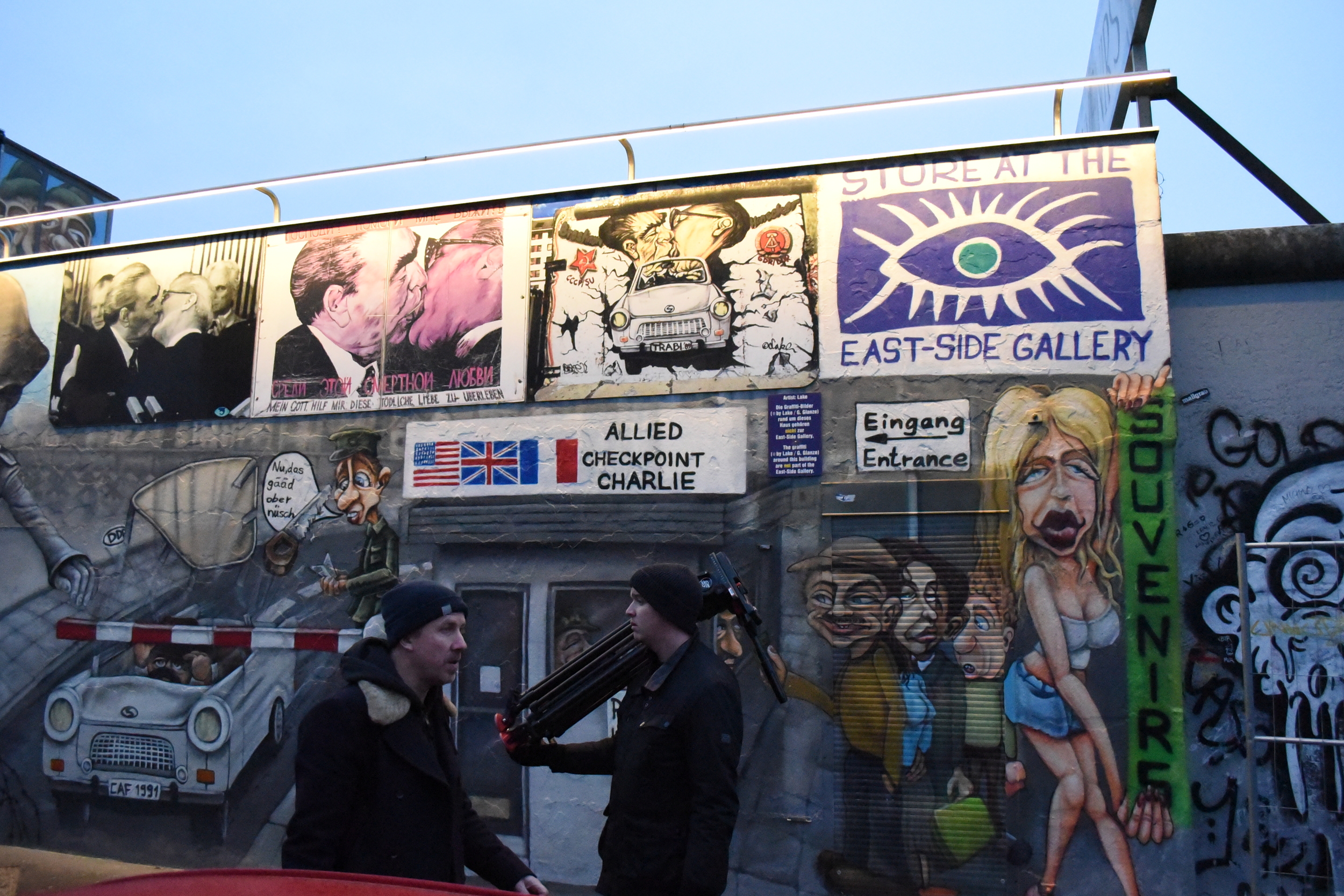
Reflecting on his long history in Berlin, William told us about the alternative, and even anarchist, nature of the city. The Berlin Wall, he said, very likely played a strong role in creating this. East Berliners lived in a surveillance state, and on both sides, attempts to cross to the other side to meet friends or loved ones was likely to end in death. In addition, the wall created small neighborhood enclaves sitting against the Spree River. For decades these areas became run-down and derelict. But this also meant that rent was cheap, which attracted squatters, people making art, talking politics, and creating music.

With the rise of groups like Kraftwerk, electronica music began to hit the mainstream, and naturally Berlin’s alternative neighbourhoods were at the forefront of this music scene.

Heading north of the river to Friedrichstrasse we were welcomed into the home of Dr Jan Kuhn. Both a DJ and urban sociologist, he had for a long time explored the city’s relationship with the electro music scene. He talked us through the fall of the Berlin Wall in 1989, and how the once divided city finally became unified.

Suddenly, the suppressed eastern side of the city was free to live in and travel to the West. And what were isolated neighbourhoods like Kreuzberg, now sat right in the centre of what were once two cities.

With a combination of alternative thinking, liberal laws, cheap or empty spaces (a third of all buildings in west Berlin were unoccupied when the wall came down), and an already pumping music scene, it wasn’t long before the now united Berlin became the world’s centre for electronic music.

Heading out into the night, it was apparent to us that this was a city that came alive after dark. Mitte’s streets permeated with lights and music flowed from the buildings and down the streets. All around us people from across the globe out to party, and even before midnight, the city’s famous kebab shops were filled with people seeking some post-alcohol sustenance.

shot02_028.jpg

Fortunate enough to meet some of the city’s most impressive up-and-coming DJs, we soon learned why artists from both around the country, and around the world are continually attracted to the city.

Christoph Etmars (aka Escape to Mars) told us, “Berlin is the place to find yourself and your music… We have so many kinds of electronica music in Berlin…. That’s why Berlin, is Berlin, I think. ”

Vom Feisten couldn’t have agreed more, “Here is the new centre of this music in the world… People from all over the world come together, meet each other, work on different projects… the newest and biggest labels are from Berlin."

As we partied late in the city's bars and clubs, we felt the vibe that these DJs  got from their city. People around us had an energy to them - a slight edge. While the city is now unified, I guess Berlin’s sense of anarchy lives on in the music… and late into the night.

INSTAGRAM


Music and Cities: Paris /  by Tom Oliver Payne

We probably couldn’t have arrived in Paris at a more interesting - or uneasy - time in recent history. Just a couple of weeks after the horrific attacks on the city, we set foot on the Champs-Élysées and were taking in the sites, sounds and vibes of this incredible town.

The mood was somewhat sombre and the people we met were visibly shaken from the recent events, but as we would quickly learn, Paris is a city of unity and cohesion, and shows amazing resilience even at the worst of times. People continued to socialise on the streets, with red wine flowing - in true defiant Parisian style.

France is home to the second largest hip hop scene outside the United States, and the Parisian suburbs are key in the development of its hop-hop culture.

Much of the city’s hip hop music influence is drawn from poor living conditions, in central and out-of-town housing estates. Residing in HLM rent-controlled housing, many French rappers draw upon their upbringing in this environment as a source of inspiration for their lyrics. In particular, places like Le Brake, La Chapelle, Clichy-Sous-Bois and the 18th Arrondissement are considered neighbourhoods which have directly influenced some of the most prominent rappers in French hip hop.

But although Paris’ underprivileged urban areas have led rappers to express themselves about social segregation – the act of doing so – also brings them together.

When we spoke with the awesome Cecile (‘Pumpkin’) Unia, she told us about the recent attacks on the Bataclan nightclub. “It was just a few weeks earlier that I was there”, she said, “they could have been my friends and fans.”

As Cecile spoke, it was clear that there was a strong sense of community among the Parisian hip hop scene. She told us about the sense of brotherhood and sisterhood among local musicians, as well as the city’s open spaces, venues and events which bring artists together to network, learn and hang out. It was clear that these two things went hand-in-hand: the physical spaces within the city itself had directly helped to create the deep connections that the artists have with one another.

Sitting at the intersection of multiple metro lines, for example, the area of Les Halles has for a long time been considered an important part of local hip hop culture. People from different neighbourhoods across the city once travelled to its underpasses and disused spaces to break-dance and rap together.

When the government embarked upon a large scale neighbourhood regeneration scheme, local community groups argued that hip hop should be integrated back into the local community as part of its redevelopment. Fortunately the government listened. It wasn't long before hip hop enthusiast Jean-Marc Meogeot, was put in charge to help develop the a new hip hop venue for the Parisian community. It’s a good thing that Jean-Marc dreams big – because these are no small plans.

When built, the Paris Hip Hop Centre will provide huge spaces for hip hop artists to create and perform dance and music. With dozens of recording studios and classrooms, the centre will be important for local artists to turn their hobby into something much bigger.

Importantly, for the same reason that attracted artists to hang out in the Les Halles in the first place, the centre will still be blessed by the nearby metro station, which will allow people to come together from all across the city, including its vast suburbs.

As we learned from the artists we met, the space to perform and record in the city is important. Because after all - hip hop isn’t just about unity – it’s also about success.

Urban sociologist and geographer Severin Guilliard told us, “Parisian urban space is something that artists can use and reproduce… it’s going to be easier for artists in Paris to succeed in rap music, than the artists coming in from other areas of France.”

The city of Paris gives hip hop musicians resources and connections, and this enables them to compete on a global scale – even with the United States.

If you want to find success in the Parisian rap scene, you don’t need to search much further than Gaellino 'Lino' M’Bani.

From the early days of rapping with his brother in Arsenik, he remains today one of the godfathers of French hip hop. Perhaps it was the images from his recent video clip which had stuck firmly in my mind, but I have to admit, as we welcomed him into our hotel, I felt a little intimidated.

It didn’t take long however, before we realised that there was nothing to be intimidated by. Like the artists we’d met before him, Lino was with us to talk about the scene and the city he loved. When we mentioned that we’d met with “Pumpkin” before him, his eyes lit up, “oh yeah I know her - she’s good!” There was no doubt that he shared a unity with the other artists across the city. Lino summed it up best himself, “Paris is the capital where everything comes together”.

The sad events from a couple of weeks before had shocked the world, but there was no doubt that Paris was resilient. Clearly, music has played a strong role in creating such a strong and unified city... Vive la Paris!

Check out the film below.

Tom
INSTAGRAM


Music and Cities: Manchester /  by Tom Oliver Payne
Growing up, I always connected the bands and music I loved to the places they came from. To me, The Strokes epitomised New York City, the Rolling Stones were London, my favourite punk bands represented San Diego and LA, and of course New Order and Joy Division typified the ex-industrial, northern England powerhouse of Manchester.

I hadn’t ever really thought about this concept until last year on a trip to Copenhagen with Mali. Hanging out in Vesterbro, we learned that this part of the city was - and still is - Europe’s answer to New Orleans. As we walked around, Jazz music was pumping from the bars and down the streets. How was it that this neighbourhood hundreds of miles from its traditional US roots had become a centre for Jazz?

Then and there, Mali and I decided that not only was ‘Music and Cities’ a cool idea to explore, but with Mali being a musician and me an urbanist, it would bring our interests together, and hopefully let us explore some cool places.

A few months later, the awesome guys and girls at Bench had given us loads of support, we had a rad production crew on board, and were off to Manchester to learn about the city and its music.

bench_manchester-11.jpg

I always had an image in my mind that Manchester was a harsh and raw sort of place. As our train crept up from London, into Stockport and then Manchester’s southern neighbourhoods, I could already begin to understand why I had imagined the city this way.

The huge warehouse blocks spread into the distance and the old red brick factories were reminiscent of the industrial years I’d learned about in high school history. The place looked un-polished and real, just as I’d hoped it would.

Manchester’s music scene is commonly associated with well-known names like The Smiths, Stone Roses, Oasis, Joy Division and Factory Records, as well as dudes like Graeme Park and Clint Boon who were instrumental in developing club culture - first in the city, and then across the world. But as we’d soon learn, there was so much more to Manchester’s music scene than seen on the surface.

While rock and indie continues to thrive, music in this city has never had a distinct style or genre. Instead, the common-thread throughout Manchester’s music scene is an attitude and way-of-thinking.

The Mancunian spirit is not about following other’s ideas, or old rule books – its about doing things in a unique way, and usually with a ‘fuck you’ attitude.

As we watched Isaac, the lead singer of Not Hot Ashes, throw himself to the ground in what would normally be considered an intimate and quirky music venue, it was clear that the Mancunian spirit was well-and-truly thriving in even the young generation. This spirit has no doubt come from its past, with the city having always succeeded by creating something from nothing.

The Northern Quarter, tucked inside the city centre, was in the early 20th century, the heart of the city’s industrial revolution. Filled with factories, warehouses and markets, its streets were lined with thousands of people, rich and poor, trying to create success in one of the world’s most prosperous cities.

Only a few decades later however, this was all set to change. Manchester was badly bombed in World War II and technological change meant that hardcore industrial machinery was no longer the backbone of the English economy. With no need for huge factory spaces, the inner core of Manchester no longer resembled a modern, advanced city, but more like something of a deserted dystopia.

Thousands of people had left the run-down inner city, and took off to the suburbs. But of course, in line with the spirit of Manchester, it didn’t take long before its failure, became its next success.

As we sat in a beautiful ex-warehouse office space, urbanist David Rudlin told us, “In the 70’s Manchester was Detroit. You could get stuff pretty much for free… But one of the things that makes cities creative is the opportunity to experiment, which means you need space which is cheap,” he continued, “but when you get a reputation for being a creative quarter, you attract more creative people.”

The demise of the city meant there was loads of free space for people to experiment, be themselves, and break-down traditional career norms by making something, from seemingly, nothing. People were doing their own thing, in their own way, and this was exactly what enabled Manchester to become one of the most creative cities in the world.

Me and Mali-Koa Hood hanging on a Mancunian rooftop

Me and Mali-Koa Hood hanging on a Mancunian rooftop

What we learned from David was echoed by the urbanists and musicians we continued to meet.

As we walked with the legendary Graeme Park amongst huge 19th century factories, which were now leased by trendy cafes and retailers, he told us about the former Hacienda nightclub, which is now considered the birth of clubbing culture. Nothing more than a disused warehouse in the ‘80s, The Hacienda gave young creative’s a cheap place to connect with one another, make music, share ideas and, of course, party. It seems these are the crucial ingredients to a developing successful idea in the city of Manchester.

But as we learned, it wasn’t just the city’s musicians and creatives who were able to make something new. It was the urbanists too.

Wearing a heavy set coat and moustache to match, Tom Bloxham doesn’t look like your average smug property developer. Rather than just cashing in on cheap property, Tom was instrumental in regenerating entire areas of the city by buying up derelict, disused buildings and turning them into beautiful, creative and inspiring places. As Clint Boon put it best, “Tom Bloxham was inspired by the punk spirit”.
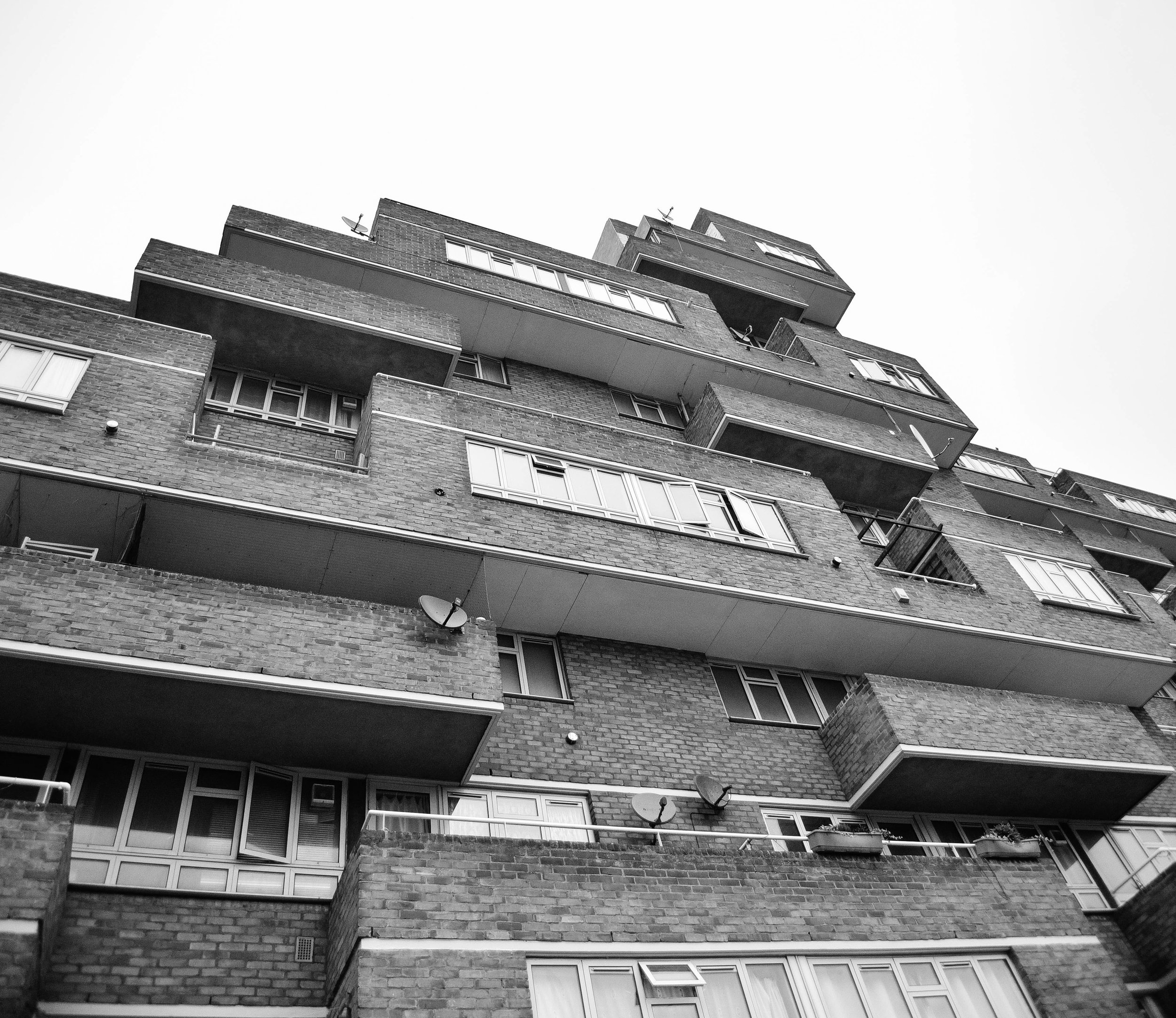
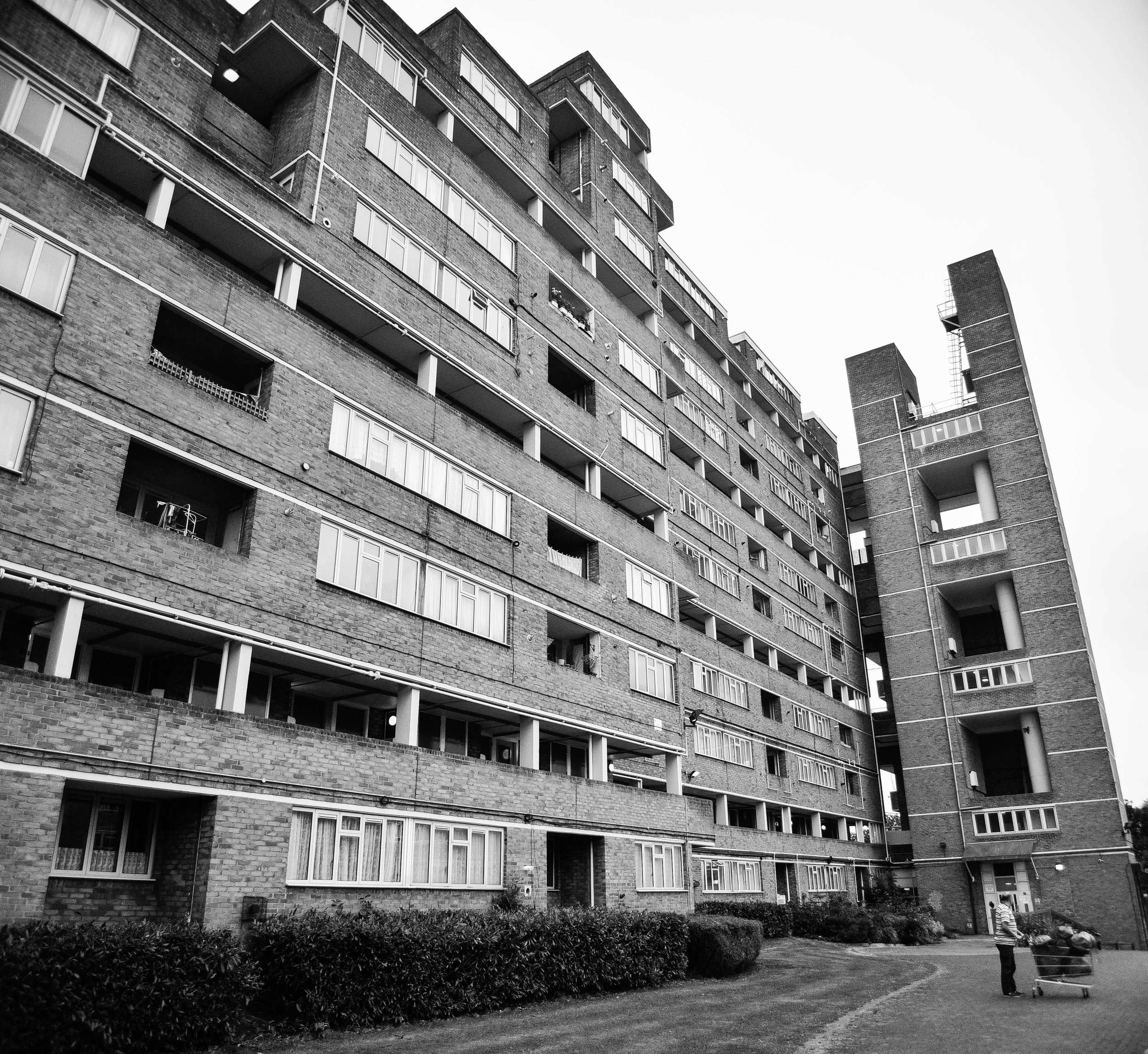
Similarly, Ross McKenzie decided that selling records in the market was cool, but starting his own bars and clubs in the city centre would be even better. It wasn’t long before he was one of the biggest names in the city’s music venue scene.

As we continued to meet some of the biggest names in Manchester, it was clear to us that while its music scene is best known from the '80s and early '90s, it’s creative edge is unlikely to die for generations to come.

But maybe it was Ruth Daniel, a young cultural producer and social entrepreneur, who taught us the true importance of the Mancunian spirit. We learned the city’s ability to succeed isn’t just about the making good art, music or money, but its about ensuring that everyone has the ability to succeed. It’s not about who or what you know, but it’s about having confidence and drive to do things differently and better than others before you. People from all kinds thrive in this city because they’re not afraid to do it their own way.

I guess Ruth put it best when she told us, “people want to break the rules here, and I love that about Manchester”.

Mali and I were amazed at what we’d learned simply by asking people how music the city had influenced music – and vice versa... I guess our interests aren’t that different after all.

The people we met and the places we saw on our first stop blew us away. Thanks loads everyone. Next up - Paris!

INSTAGRAM


Trip to Sydney: 2016 /  by Tom Oliver Payne
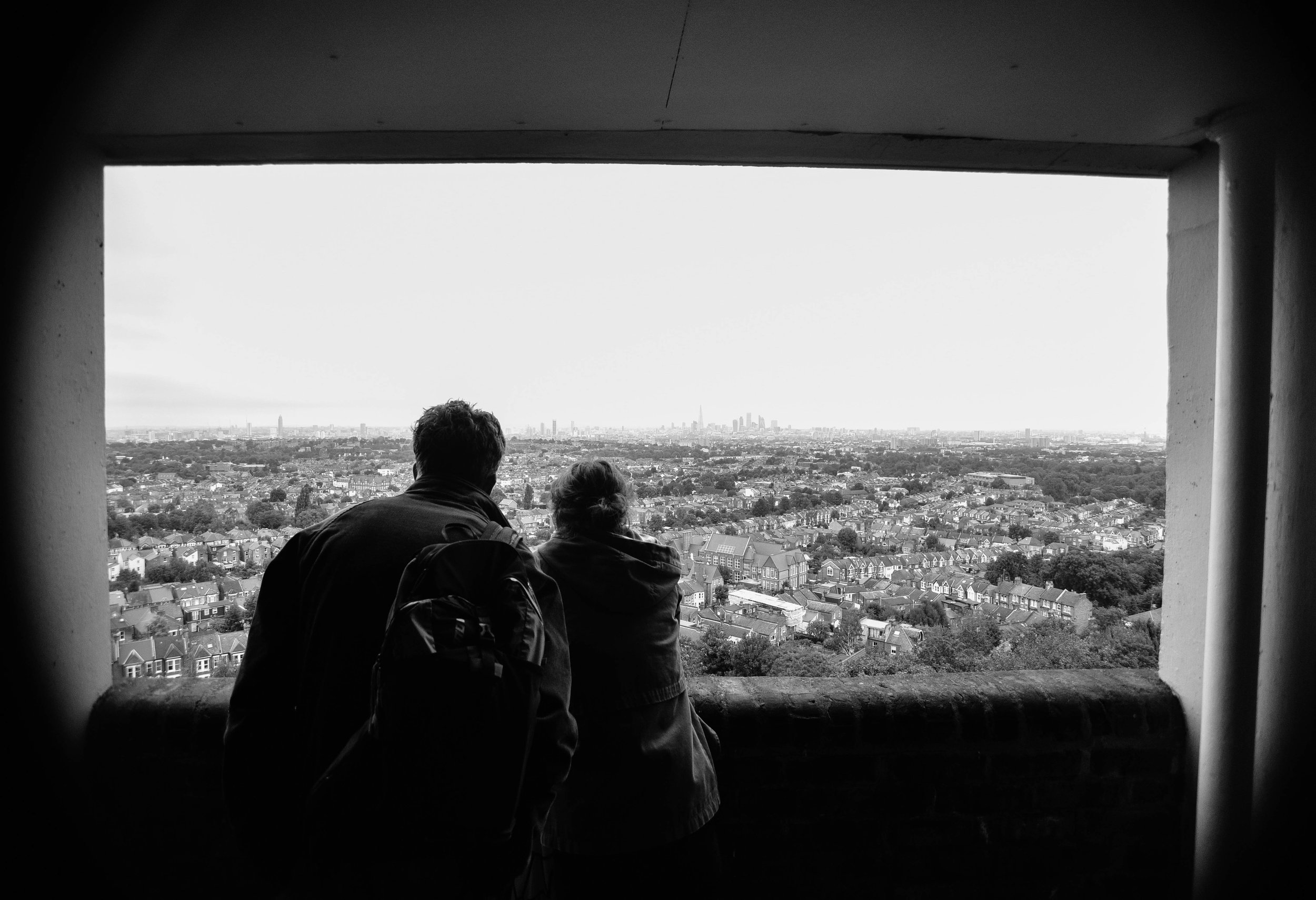
I’ve just come home to what I consider one of the most beautiful cities on the planet – but just for a few weeks. As I flew back into Sydney I immediately fell back in love with the city.

The plane glided across the inner-west and I was confronted with the majestic Harbour Bridge and the city’s incredible skyline. With faces pressed hard against the windows, the passengers arriving from our last stop in Guangzhao were surely impressed.

After just a couple of weeks of re-immersing myself, I feel like although the city has made some really good steps in evolving into a modern 21st century city, it’s also taken some steps backwards.

The development of a new motorway through the inner suburbs (WestConnex), the implementation of lock-out laws, the removal of bicycle paths, and increased fines for bike riders for not wearing a helmet surely do nothing to make this city progress in a positive trajectory. In my view, these changes act to only stifle culture, relocate alcohol-related problems, and slow the city from reaching a sustainable mobility future.

img_4288.jpg
img_4580.jpg

At the same time however, dozens of beautiful new buildings have graced the skyline (Park Central being particularly beautiful), interesting new fashion trends have emerged, craft beer culture appears to be booming, and small bars and cafes continue to thrive. 

Furthermore, dense transit-oriented development and a more efficient transport payment system (OPAL) seems to be helping to promote more sustainable forms of travel.

Everything I've said, of course, is just from initial observations, so after I do some more research, I’ll put together some pieces that talk about some of these changes in some more depth.

In the mean time, if you need me, I’ll be cruising on my bike and drinking beers in the sunshine in one of the most beautiful places on the planet... Let's just hope the police don't give me a fine for not wearing a helmet.

It's good to be home.

INSTAGRAM