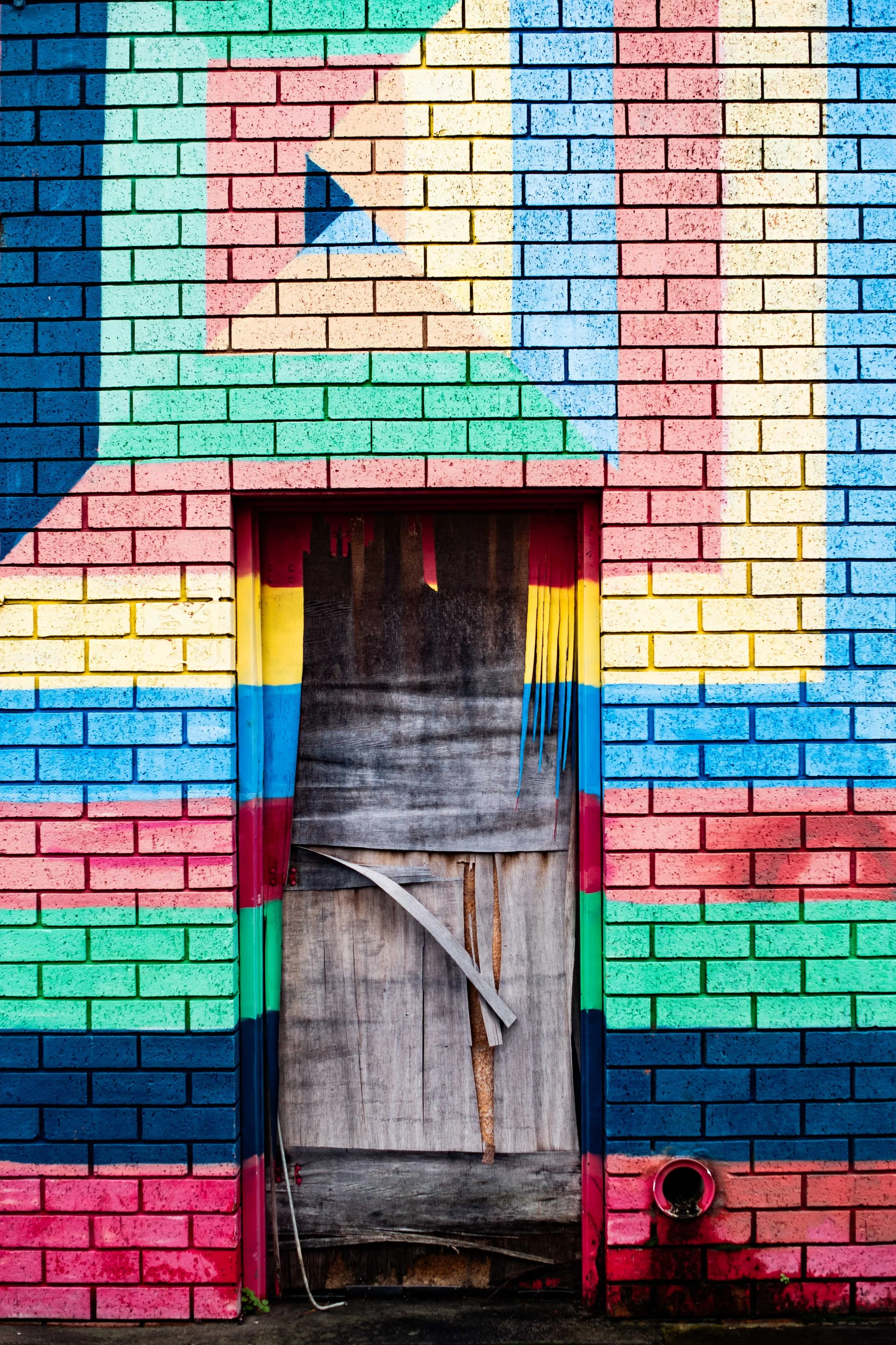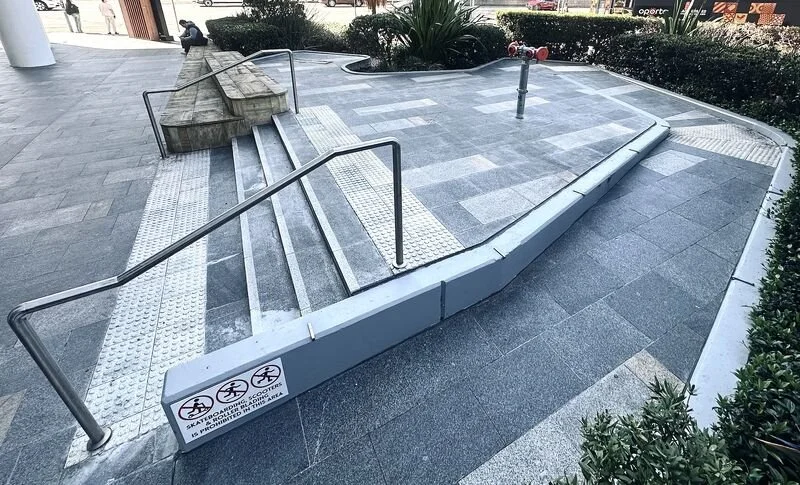
We’ve been doing work in China this year and, very gratefully, were able to spend some time in Shanghai in August. It’s a city I’ve read about over the years in the news and architectural media, but I’ve never really known much about it. I’m not sure what I was expecting, but I was incredibly surprised by how layered the city is. Different versions of the place seem to sit right next to each other. Old neighbourhoods, huge new developments, restored buildings, messy little lanes, luxury retail, food stalls, busy public parks. It can feel incredibly polished in one direction and totally improvised in another.
What interested me most was how much of the city’s story is still visible in those layers. Not just in the obvious heritage buildings, but in the street pattern, the way things have been adapted, the details that have been retained over many years, and the way older ideas keep appearing in new forms.
The surviving elements
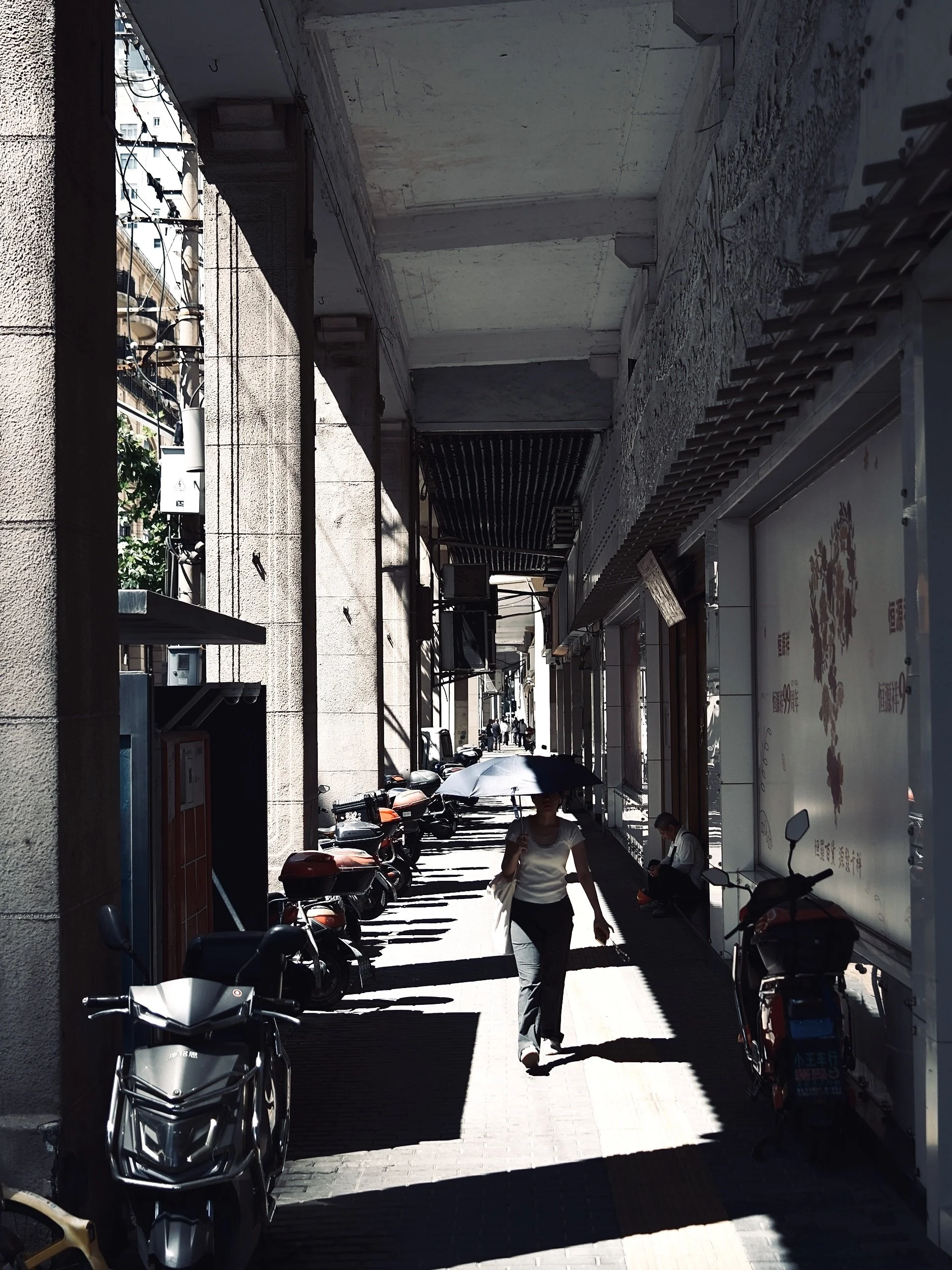
Around the Old City I kept noticing the old colonnaded buildings, or qilou. They’re a building type shaped by influences from elsewhere, but over time became part of Shanghai’s own character. The surviving stretch around Jinling Road East is now being retained as the surrounding area changes dramatically.
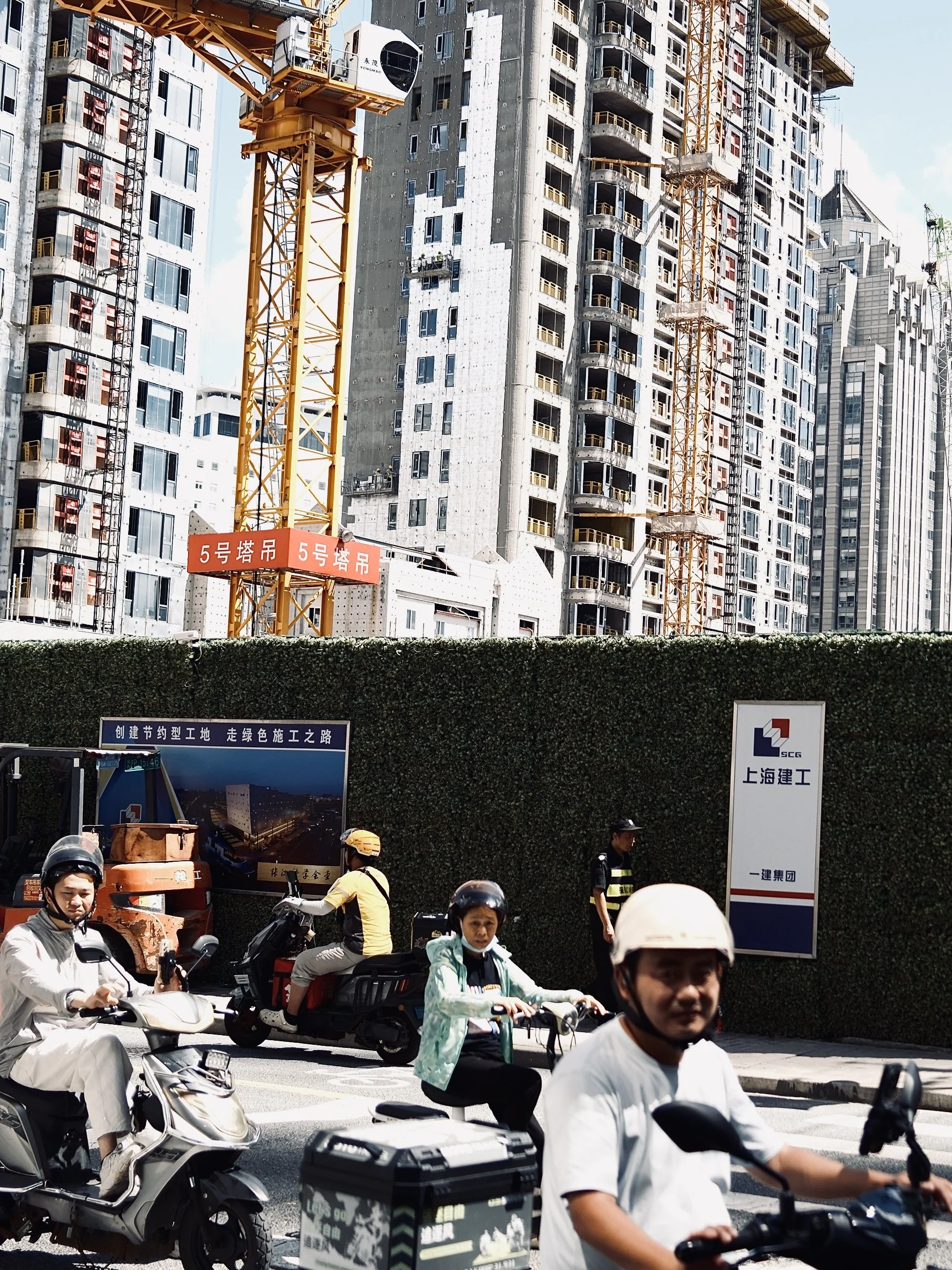
Just around the corner, the scale of redevelopment around Fuyou Road is extraordinary. Thousands of households have been relocated, while parts of the historic fabric are being kept. You get this strange feeling of the old and new city being built into each other at the same time.
The pattern of the city
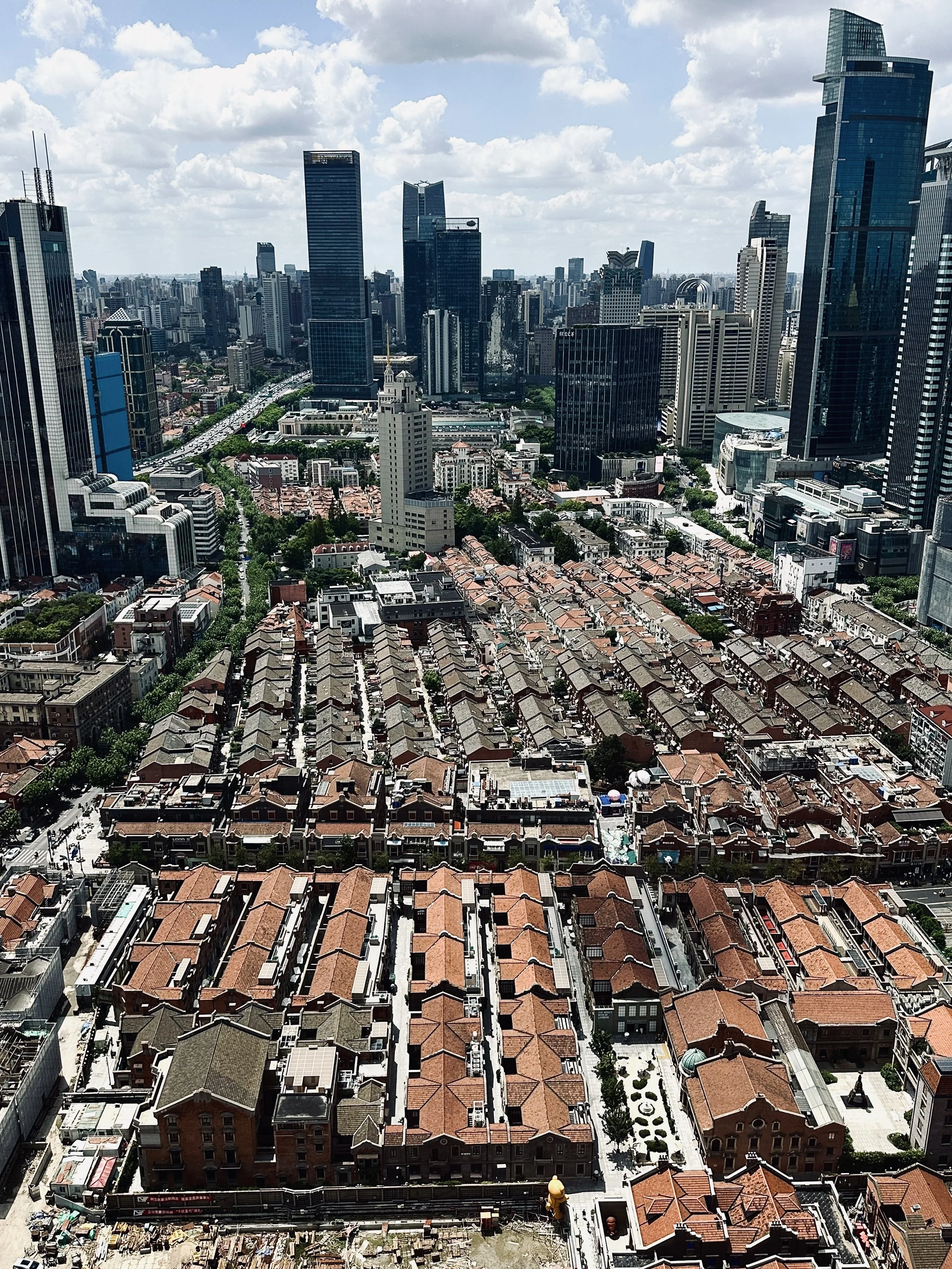
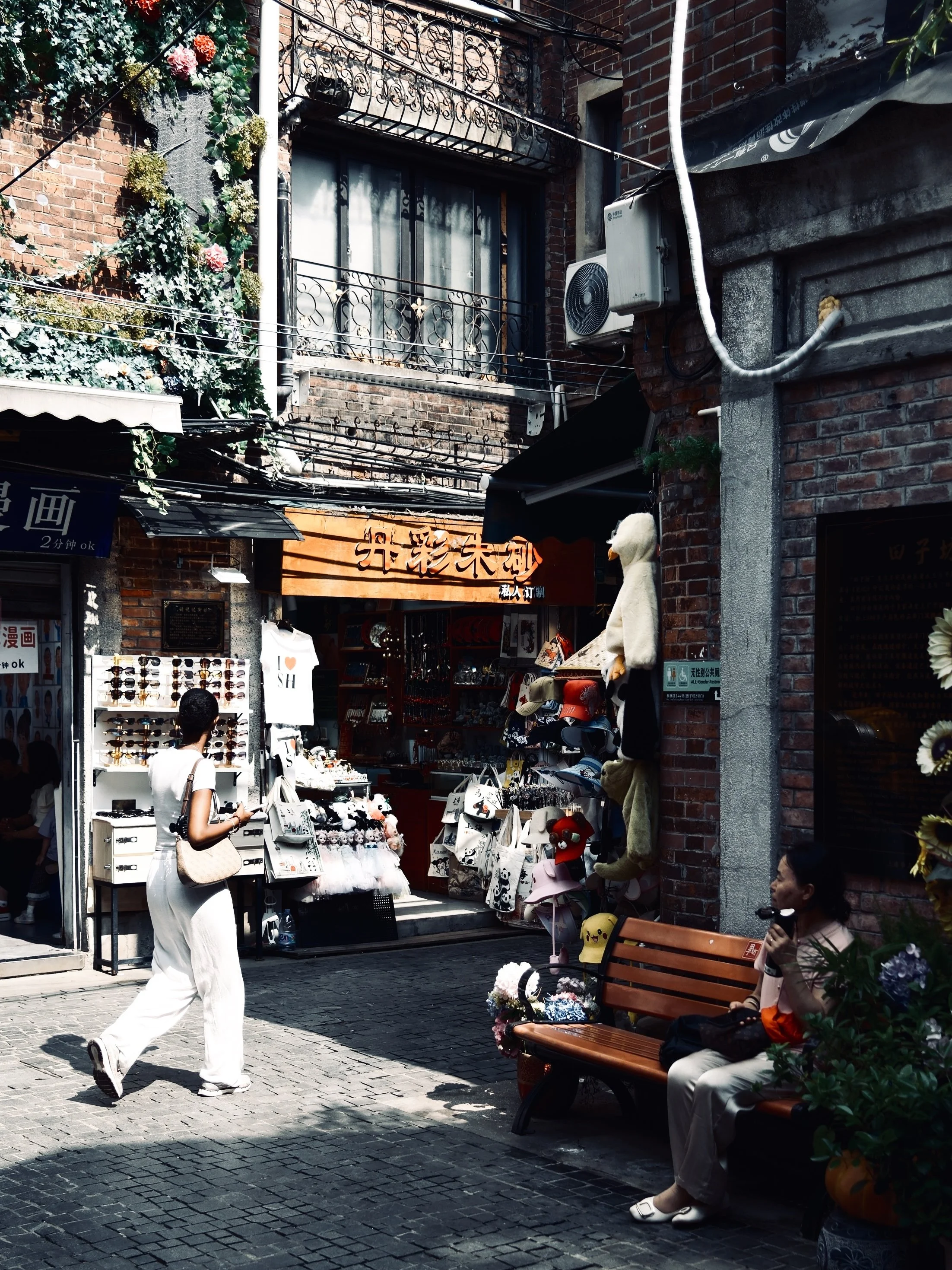
Zhangyuan made me think about heritage in a different way. From above, what stands out isn’t really one building. It’s the grain of the place. The small plots, roofs and lanes sitting amongst much larger modern buildings. You see the same thing at street level in the lilong and longtang lanes through older parts of Shanghai. They make the city much more interesting to walk through. You leave a huge arterial road, disappear into a lane, and suddenly the scale changes completely.
Old ideas in new forms
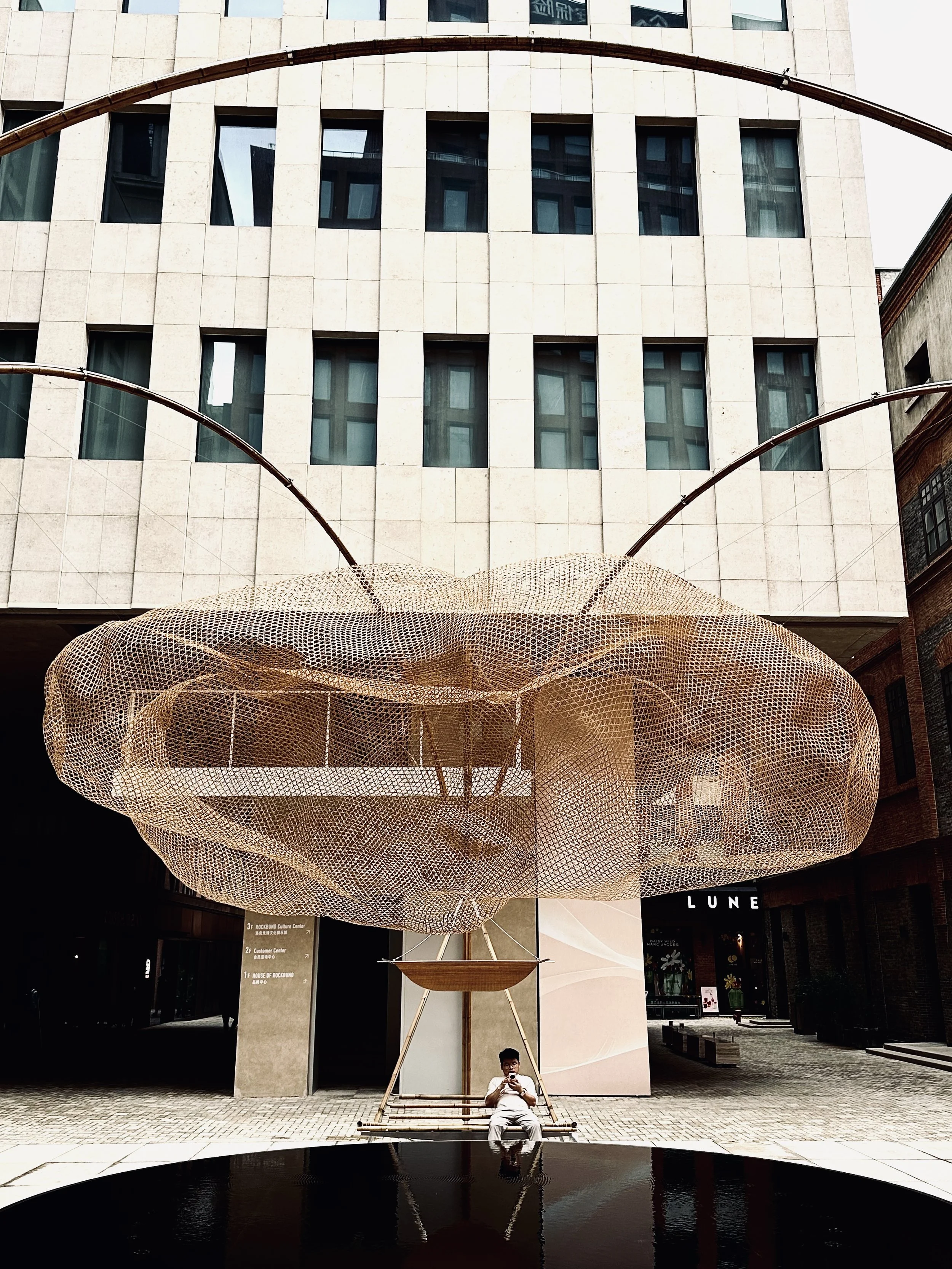
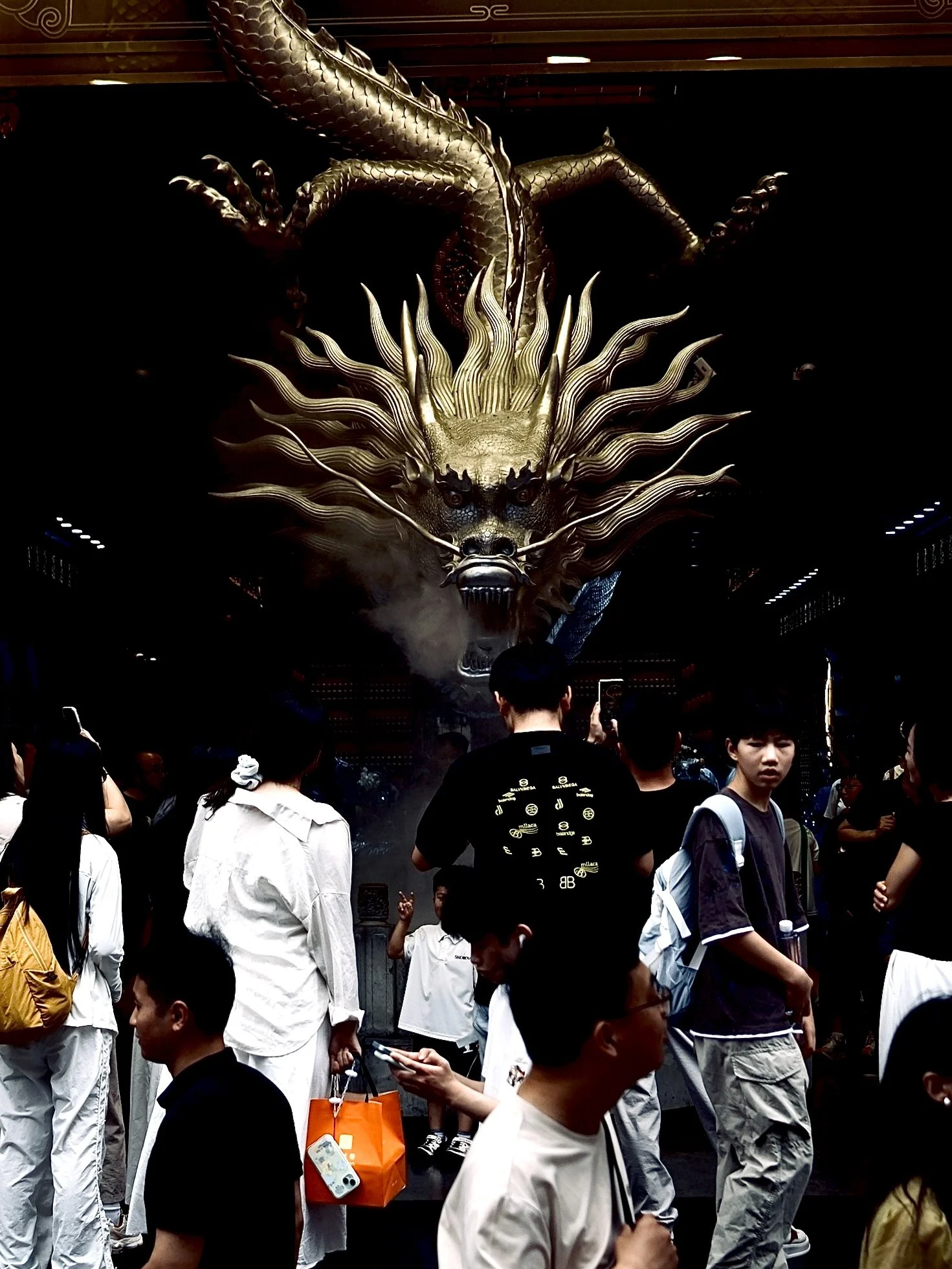
I also kept noticing older Chinese ideas being used in very contemporary ways. At Rockbund, Floating Clouds on Water takes traditional bamboo weaving and turns it into a huge contemporary canopy with mist, shade and reflections across the water. Even the dragon caught my attention for the same reason. I was surprised by how visible older Chinese symbols seem to be in contemporary culture, particularly around younger people, brands and new public spaces.
The everyday city
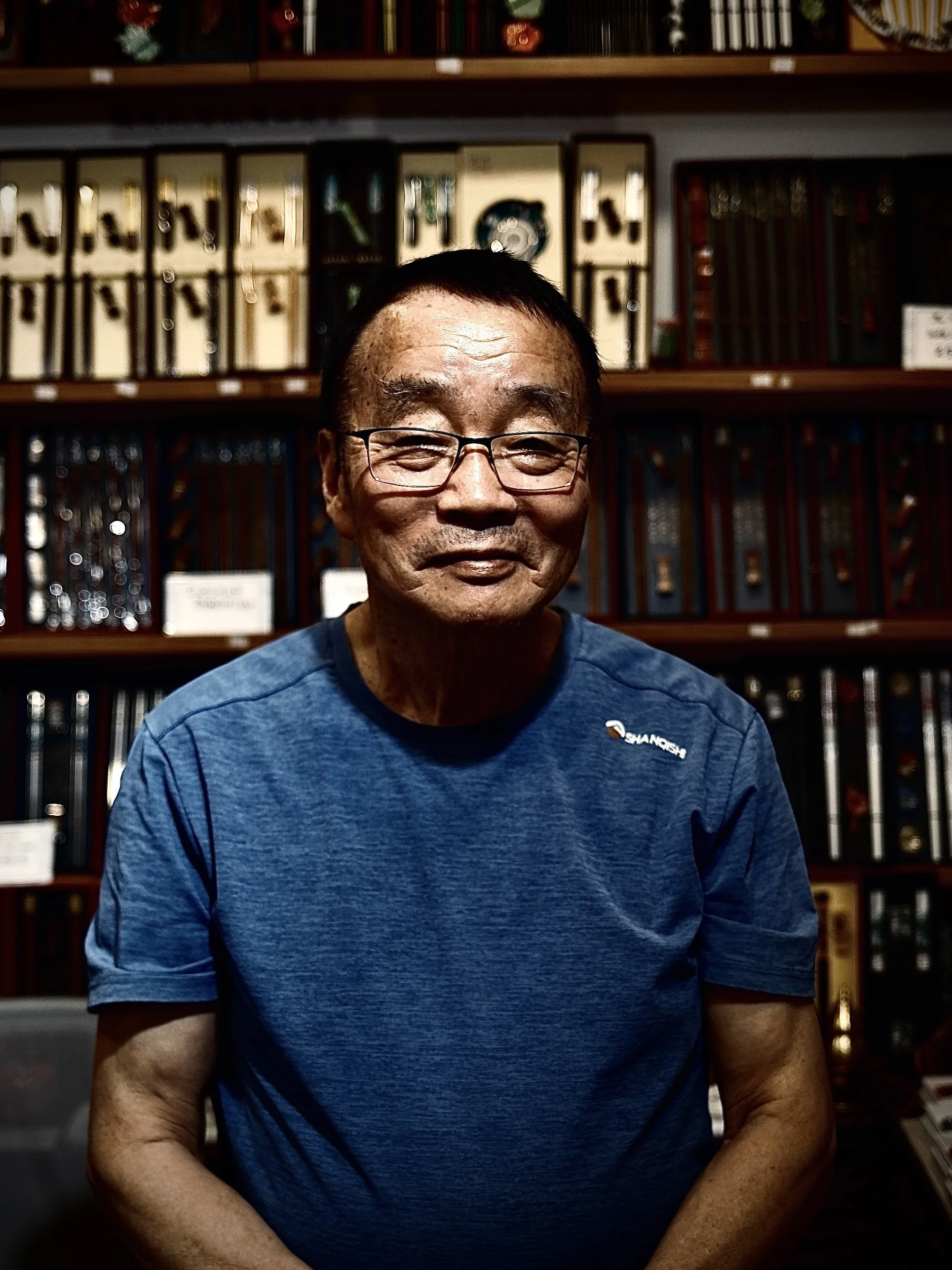
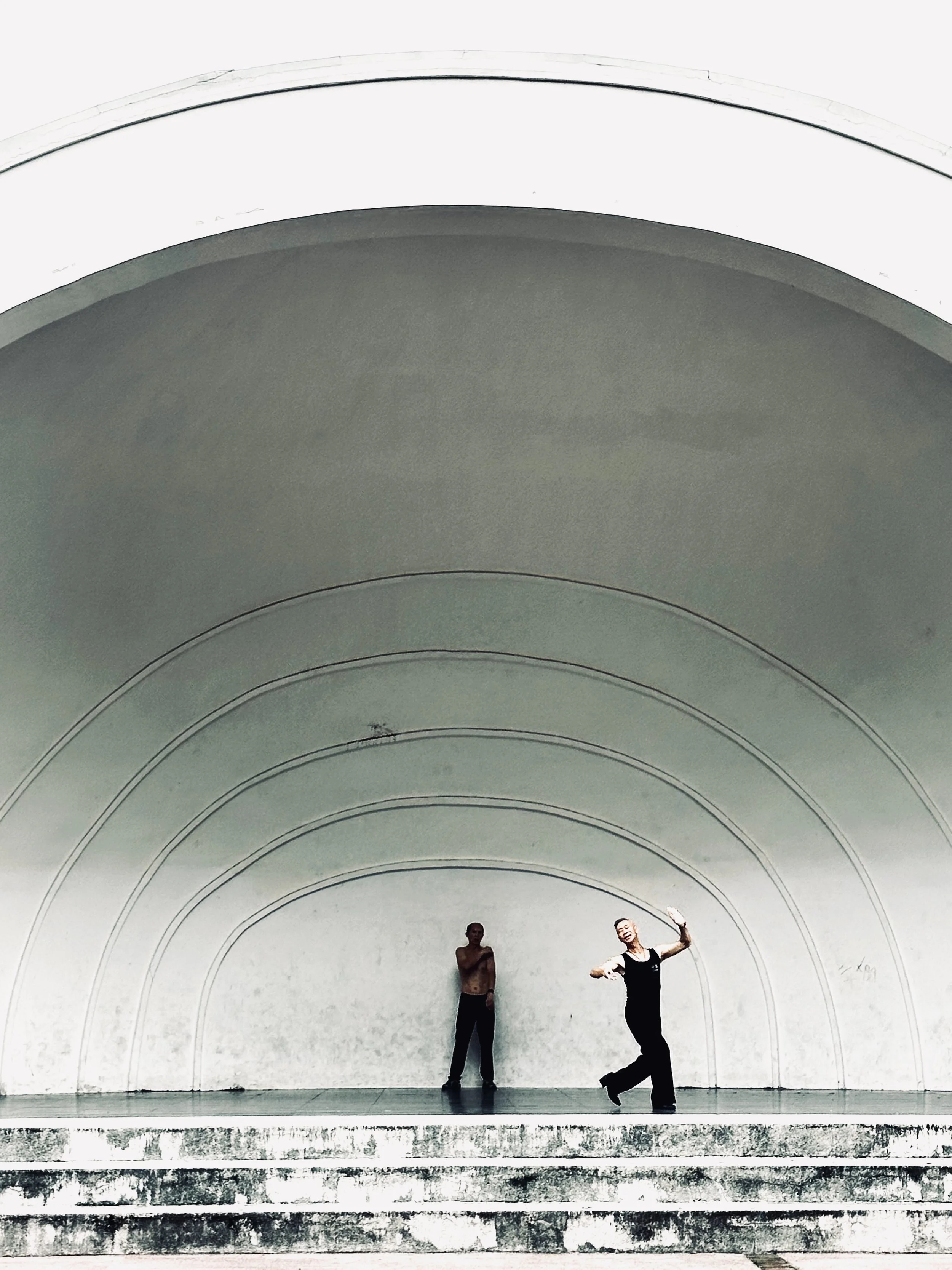
And then there are the bits of the city that probably tell you just as much. Bikes under a tree. A man I met in a market. Two men dancing on a stage in a park on a Sunday morning while people sat around watching. These aren’t heritage objects, but they’re part of the story too. A city’s story is more than its buildings. It’s also in people’s habits and the ordinary things that happen every day.
I think that’s what I loved about Shanghai. The city doesn’t tell one story. It tells lots of them at once.