Demolition has begun: photos from Robin Hood Gardens /  by Tom Oliver Payne

Despite years of campaigning from heritage groups and architects, the bulldozers have moved in. The demolition of Robin Hood Gardens is now well underway. The western block is in partial ruins. The eastern block is still occupied and is set to be razed in the new year. 

Completed in 1972 Robin Hood Gardens features rows of elevated walkways, famously known as 'streets in the sky'. The only housing estate designed by husband-and-wife duo Peter Smithson (1923-2003) and Alison Smithson (1928-1993), it's protection was supported by some of the world's most prominent architects including Richard Rogers, the late Zaha Hadid and Toyo Ito. Many, however, including the head of heritage listings and Historic England, considered it 'bleak'.

Tom_Oliver_Payne_Robin_Hood_Gardens_Brutalism-4.jpg
Tom_Oliver_Payne_Robin_Hood_Gardens_Brutalism-3.jpg
Tom_Oliver_Payne_Robin_Hood_Gardens_Brutalism-6.jpg
Tom_Oliver_Payne_Robin_Hood_Gardens_Brutalism-7.jpg
Tom_Oliver_Payne_Robin_Hood_Gardens_Brutalism-8.jpg

INSTAGRAM

Kensington and Chelsea: a microcosm of divided London /  by Tom Oliver Payne

Camera in hand, I recently explored London's Kensington and Chelsea - home of Grenfell Tower. A distinct socio-economic divide between the north and south, the Borough epitomises the inequality that exists across wider London.

On the 14th of June 2017, West London watched as a 24-storey public housing block was engulfed in flames. Fear and panic gripped the streets below as hundreds screamed for help from inside. 

Tom_Oliver_Payne_Grenfell-2.jpg

At least 71 people have been confirmed dead. A a 2015 study showed that the neighbourhood surrounding Grenfell was among the top 10% most deprived areas in England - those who perished were some of the London’s poorest and most vulnerable.

Just two kilometres south-east of Grenfell sits Victoria Road - Britain’s most expensive street - where house prices average at Β£8 million ($14,000,000). As I walked past the rows of immaculate terrace houses, security lights clicked on, a tell tale sign that the owners live abroad. Nearby shopping districts epitomise glitzy consumerism - Mercedes Benz cars, shopping bags and botox. With so much money pouring into the local council, it’s no wonder it holds a reserve in excess of Β£274 million ($466 million).

Kensington and Chelsea is a microcosm of divided London, and unfortunately, the local authority has been a representative of only its most elite residents. Although those in Grenfell had complained about fire safety issues for years, their voices had fallen on deaf ears. It’s recently been argued that had fire extinguishers been installed, 99% of those in the building would have survived. 

Kensington and Chelsea's North

Tom_Oliver_Payne_Grenfell-7.jpg
Tom_Oliver_Payne_Grenfell-5.jpg
Tom_Oliver_Payne_Grenfell-8.jpg
Tom_Oliver_Payne_Grenfell-13.jpg

Kensington and Chelsea's South

Tom_Oliver_Payne_Grenfell-9.jpg
Tom_Oliver_Payne_Grenfell-11.jpg
Tom_Oliver_Payne_Grenfell-10.jpg
Tom_Oliver_Payne_Grenfell-12.jpg

The tragic events of the 14th of June have shocked this beautiful city to its core, yet early indications suggest that it hasn’t been in vain: the council leader soon resigned and an investigation has begun to determine if corporate manslaughter has been committed; we’ve seen conversations regarding deprivation and inequality rise to the forefront of political discussion, Jeremy Corbyn has called the disaster a product of the β€˜brutal’ system of inequality; and the city’s Mayor, Sadie Khan, has proposed that the Prime Minister appoint a social housing Tsar.

In the wake of Grenfell commentators have pointed to the resonance of contemporary London with the one Dickens describes in β€˜A Tale of Two Cities’. The echoes are hard to ignore, and the city’s wealthy are being warned of a social uprising from classes below. It seems London’s eyes have turned their focused on the government’s response to Grenfell. If systemic housing policy changes are not initiated, social discontent will surely intensify.


INSTAGRAM

SMH Article: What Sydney can learn from London's approach to brutalist architecture /  by Tom Oliver Payne

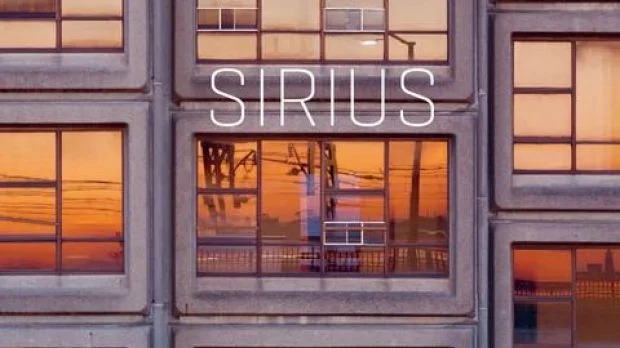
"The late 20th century was a unique period in architectural history in which buildings where designed to serve a social purpose. Brutalist buildings used the most basic material to keep costs down, and were most commonly built to house low-income residents or institutions.

Unlike 18th-century houses, their importance is about historic interest, rather than an aesthetic interest. Sirius, just like Trellick, Balfron and the Barbican in London, illustrates important aspects of the nation's social and cultural history."

Last week I had an opinion piece published in the Sydney Morning Herald on brutalist architecture in Sydney and London. You can read the full article here. 

Brutal_Sirius_Tom_Oliver_Payne_blog.jpg
Photo by Jessica Hromas via SMH

Photo by Jessica Hromas via SMH


INSTAGRAM

'In Drowned Concrete': photobook with Saal Digital /  by Tom Oliver Payne

A couple of weeks ago Saal Digital asked me to review one of their book products... Eager to start seeing some of my images in print, it was a great chance for me to self-publish quickly and easily without the hassle of understanding the ins and outs of graphic design and printing. 

Read More

From screen to street: the photography project putting imagery in the public eye /  by Tom Oliver Payne

Photographer

Nicholas Gascoine spent his mid 20's in New York City. There, he would work alongside some of the most prominent fashion photographers, often flying to exotic locations. The move back to Australia had followed an exciting period of work, and Gascoine found the body of water lapping onto Sydney's Eastern beach fronts restorative. 

Read More

Cycling from London to Paris /  by Tom Oliver Payne

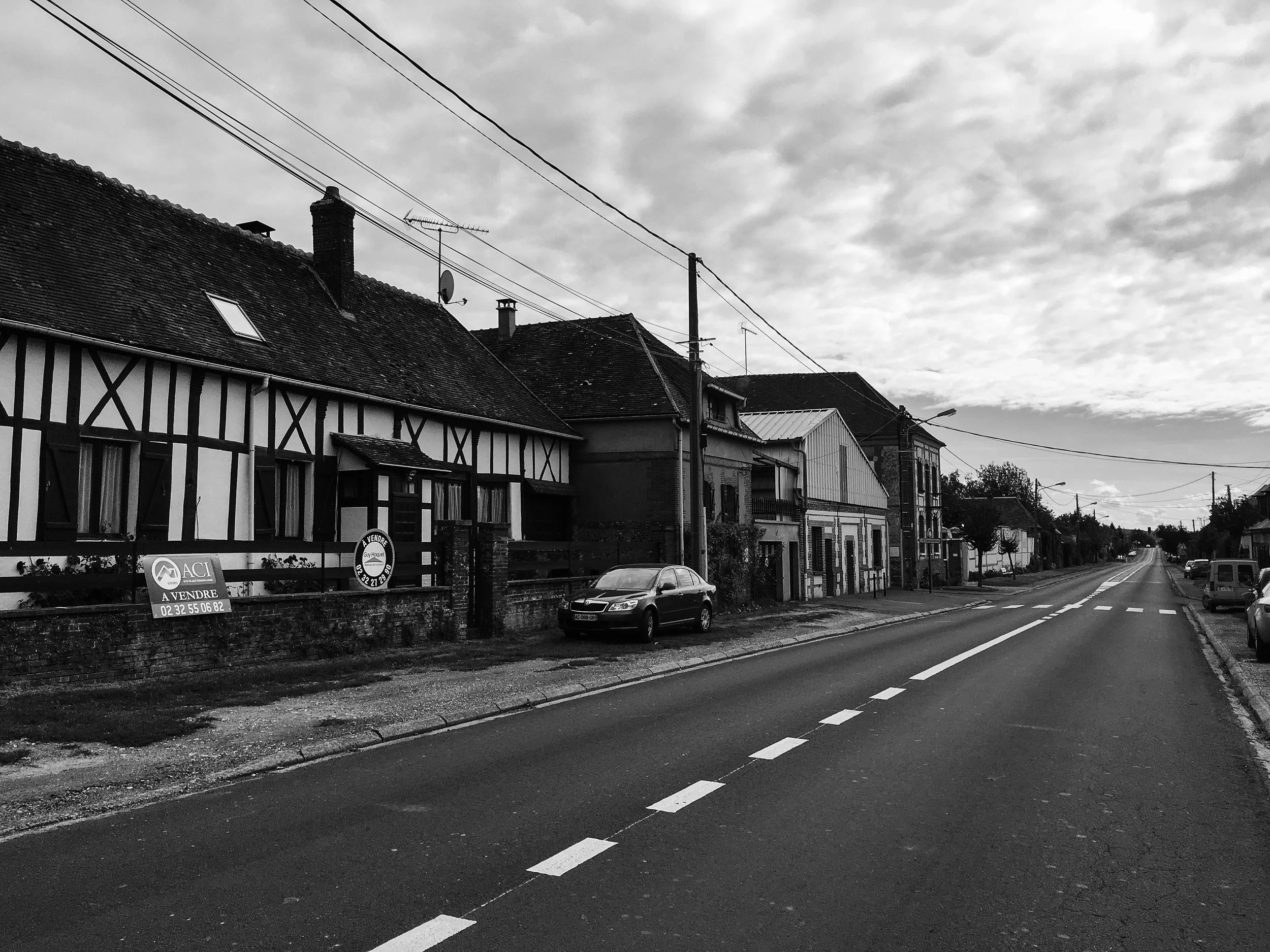
My friend James and I decided that we were going to cycle to Paris... Wasting little time um-ming and ah-hing, we decided to plan for the fastest route (London-Newhaven-Dieppe-Forges-Les-Eaux-Pontiose-Paris) and a couple of weeks later we were off. A quick run down below with some few black and white shots taken en-route ...

Read More

Photographing for #WeLiveHere2017 /  by Tom Oliver Payne

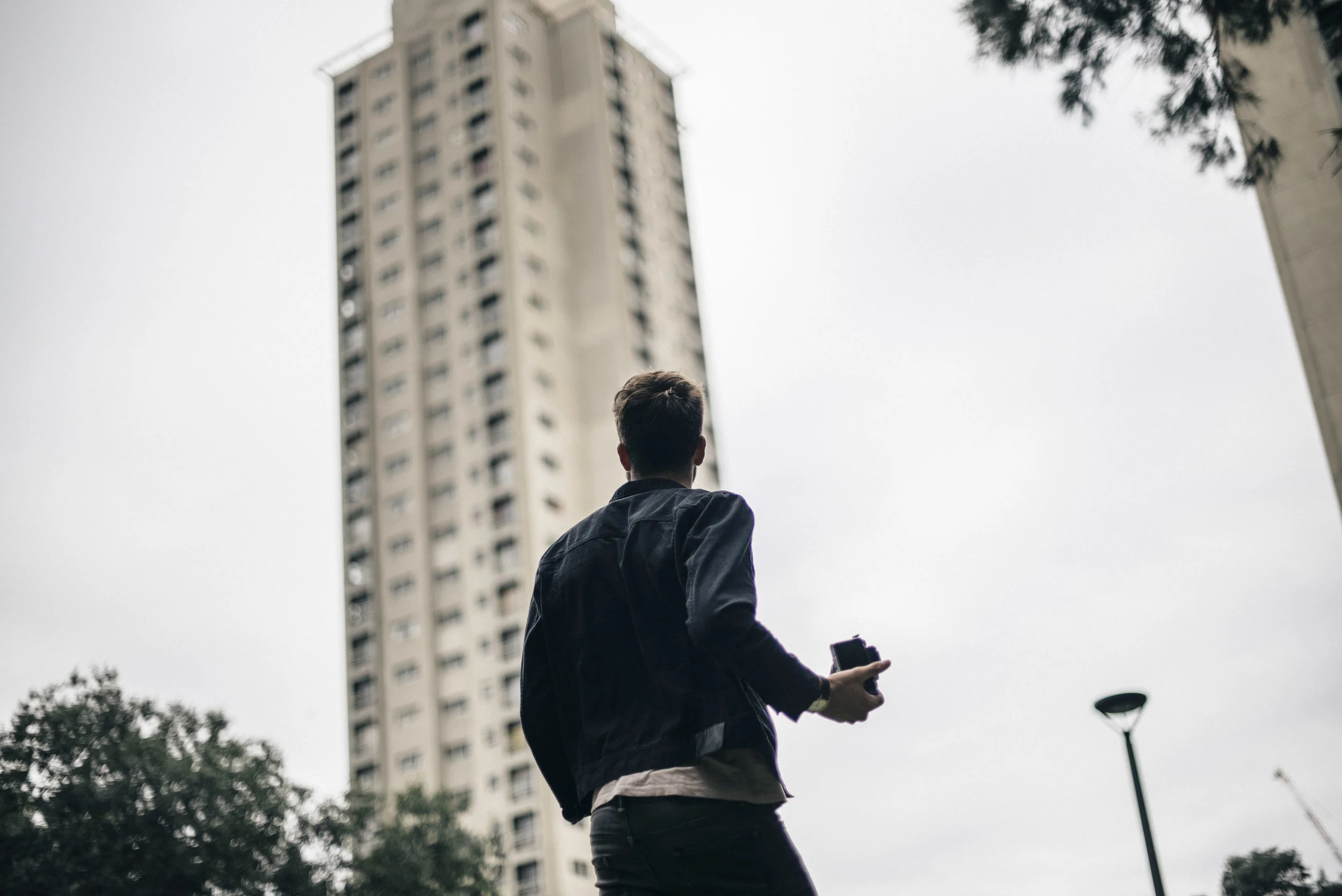
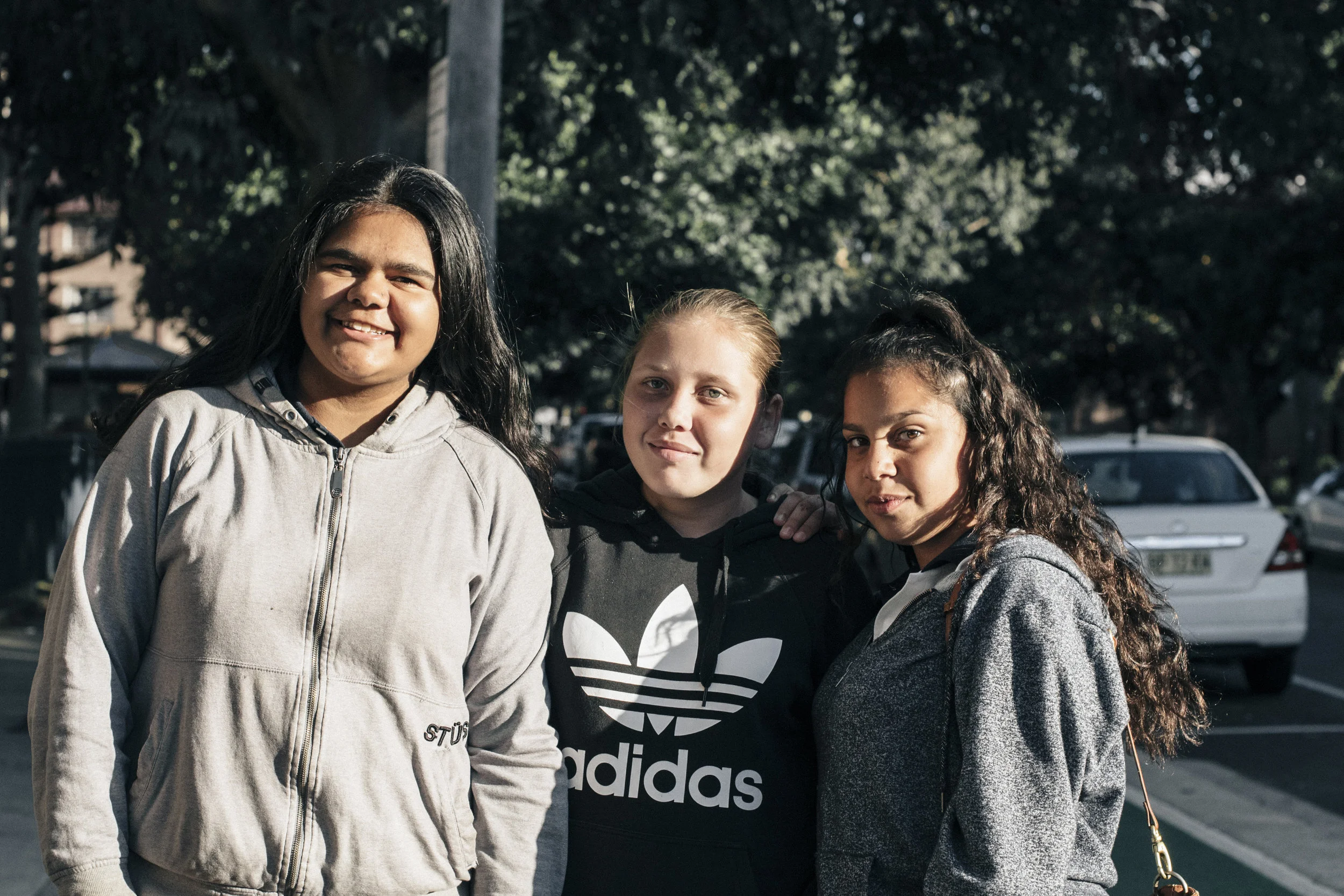
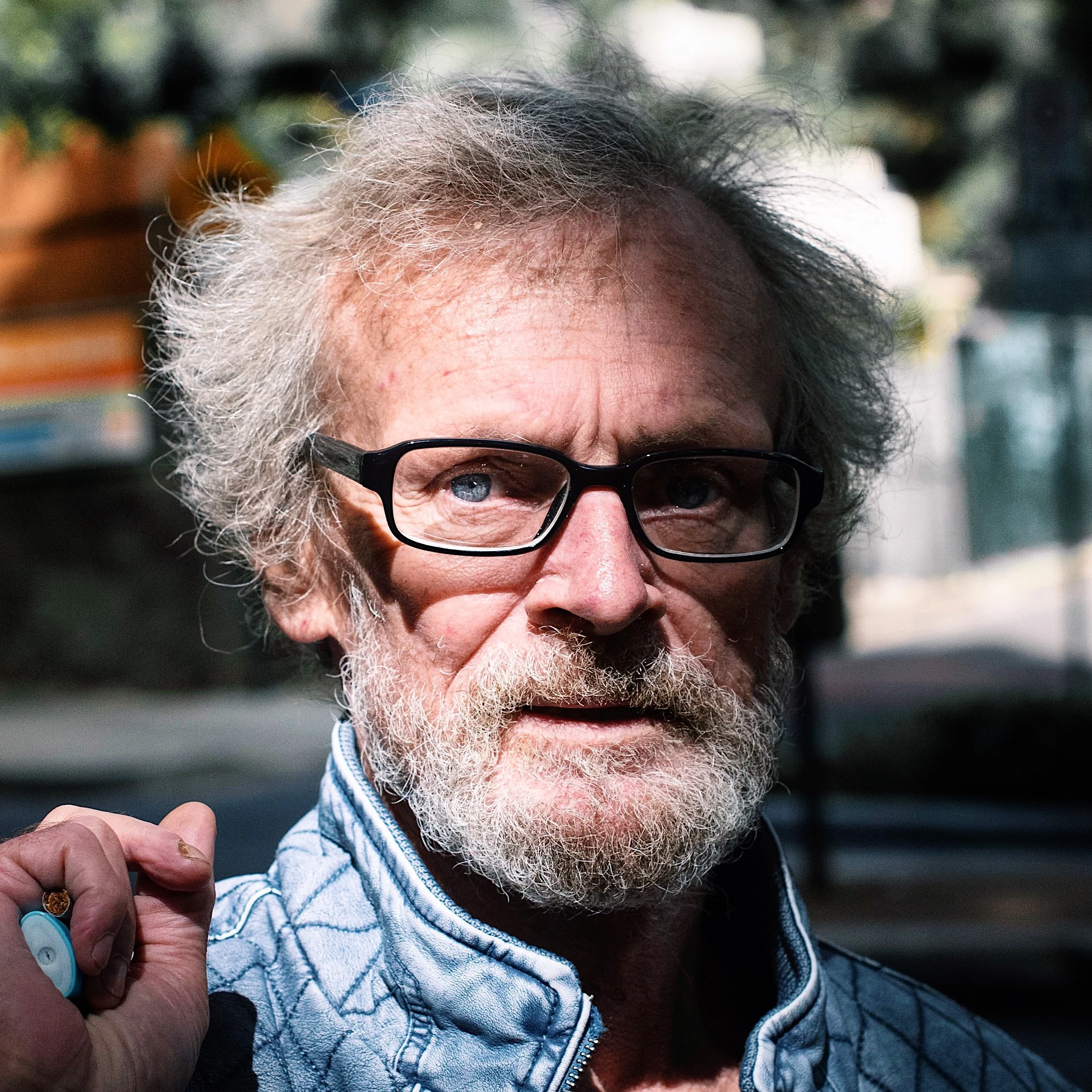
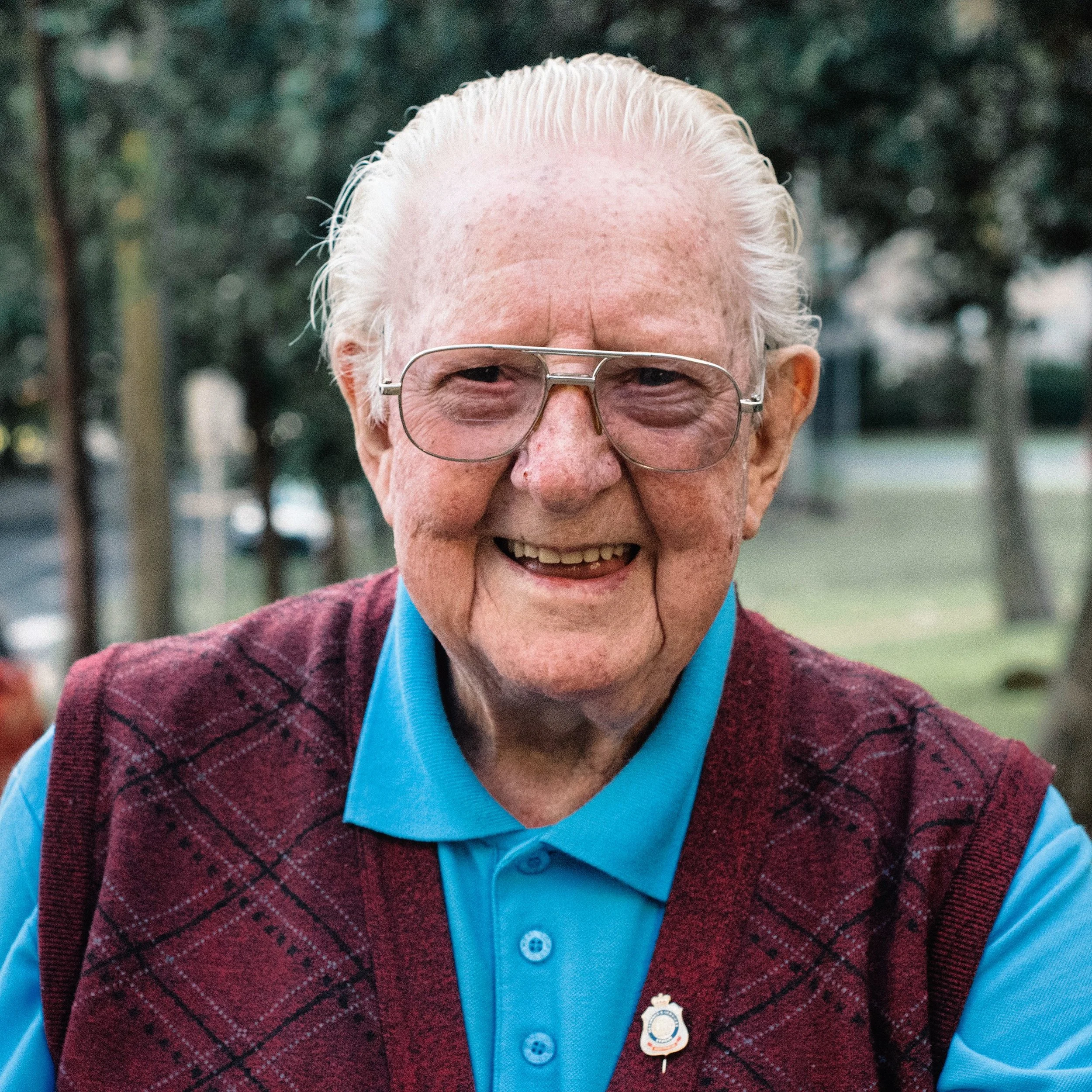
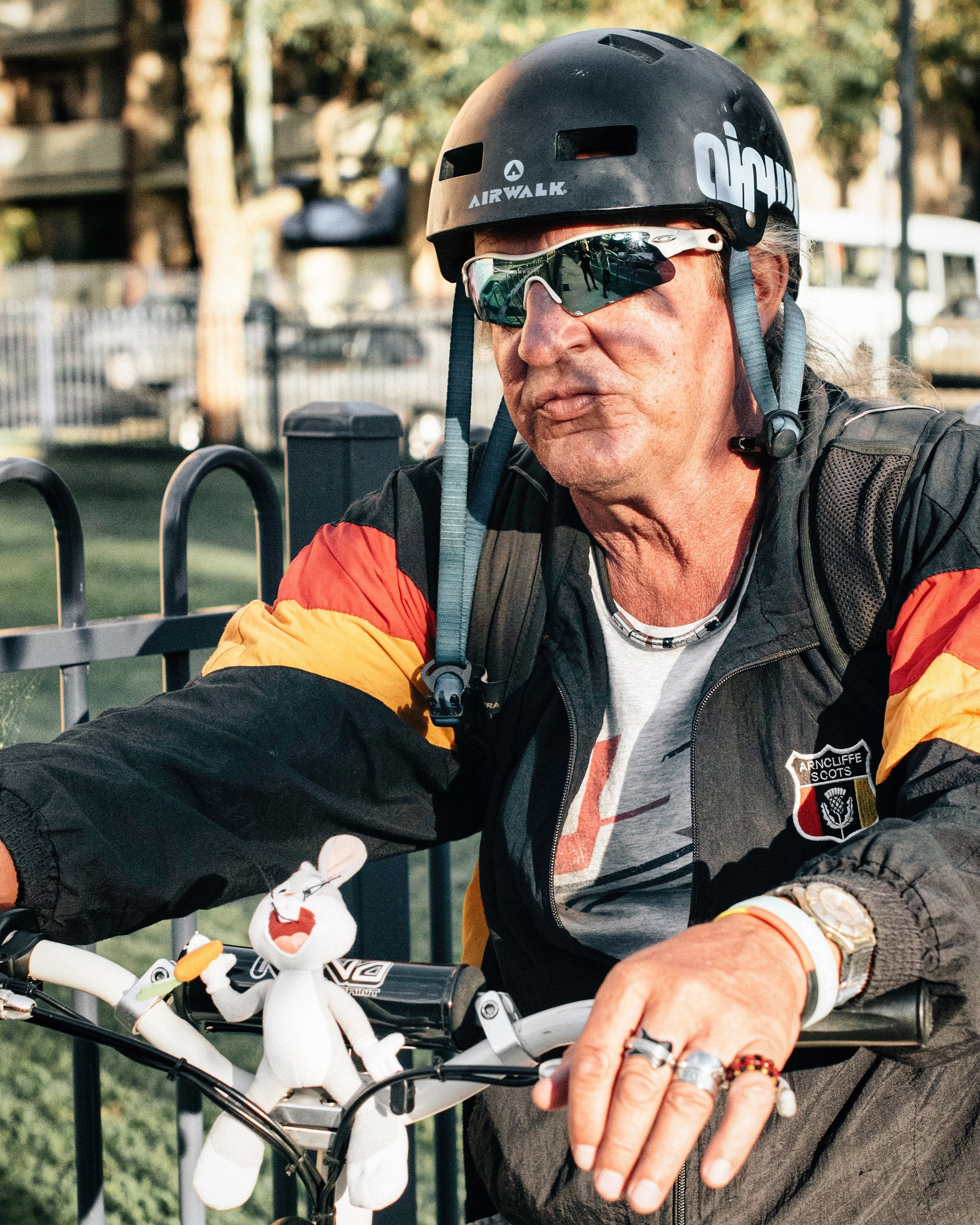
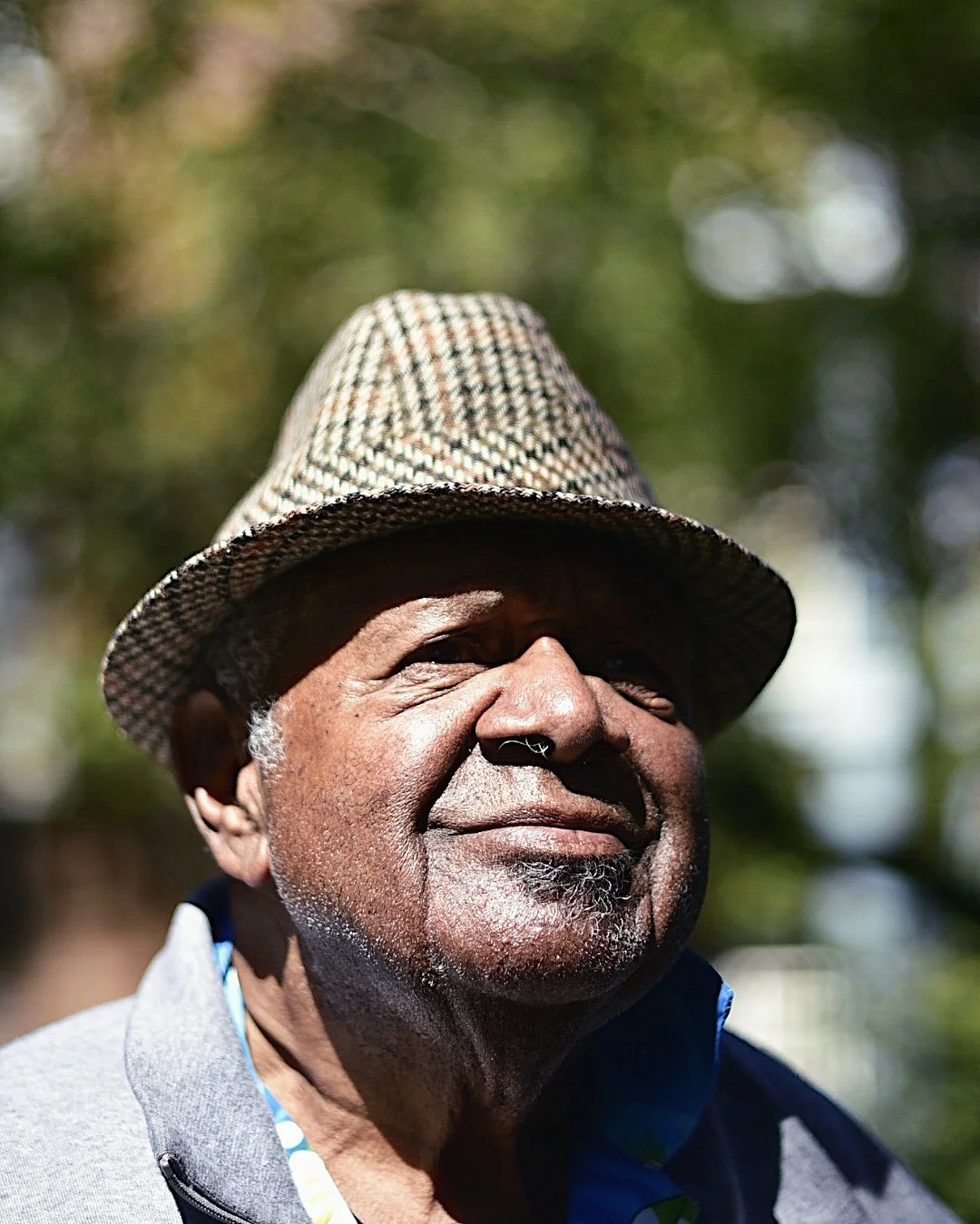
Over the last few weeks, I've been shooting a documentary photography series for the #WeLiveHere2017 campaign. Each day I've been visiting the neighbourhood of Waterloo in central Sydney to take portraits of local residents, as well as asking them a few questions about their connection with the neighbourhood. 

The project aims to put a human face to public housing to encourage compassion, action and resistance to the rapid change that is taking place in this part of the city. Over the next year the state government intends to demolish and redevelop the public housing estate, displacing 4,500 of the existing residents. Unfortunately, these are some of Sydney's most vulnerable, including the elderly, disabled and those on low-incomes. 

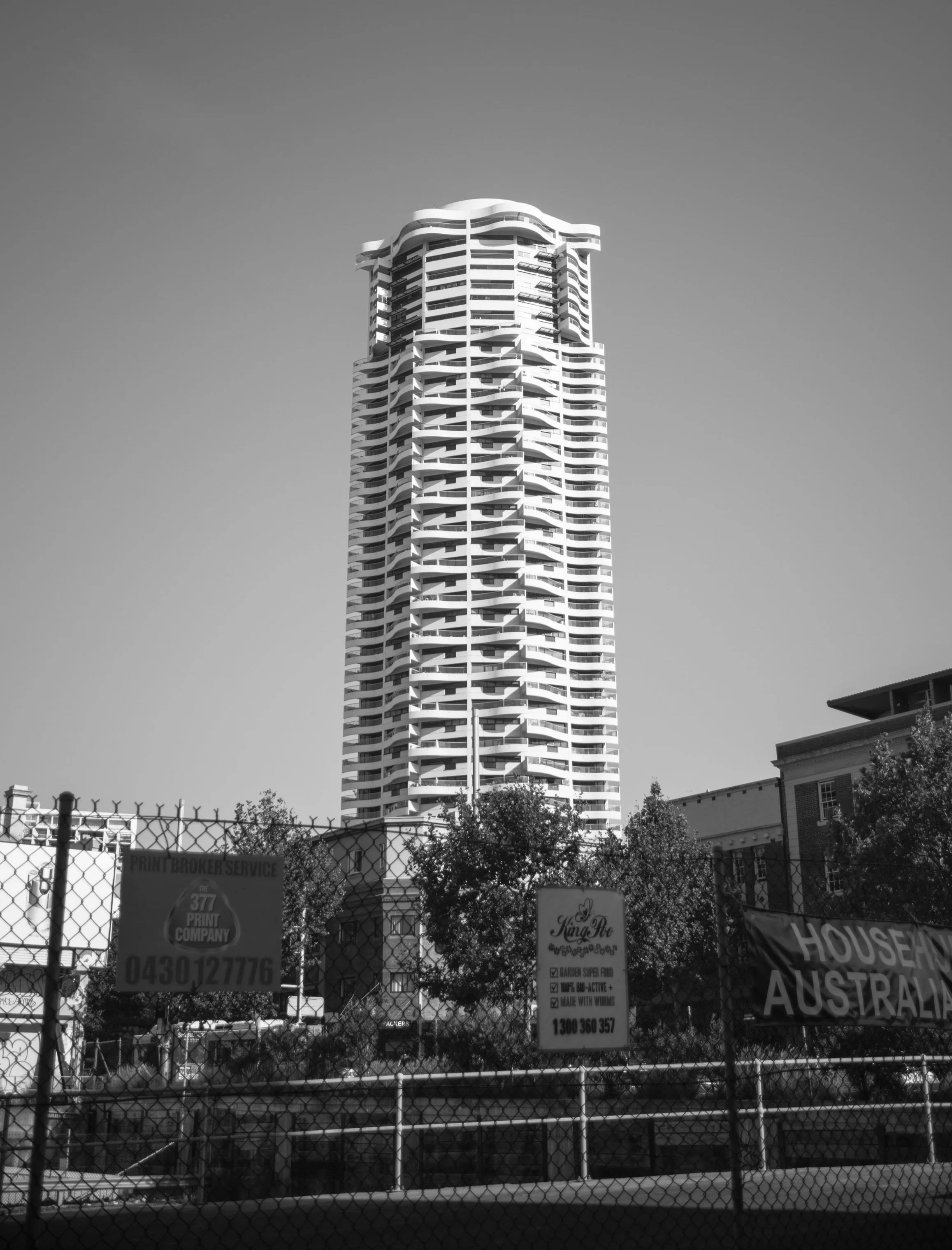
40 years ago this neighbourhood was built as a 'utopia', opened by Queen Elizabeth II and Prince Philip. By 2018, the existing buildings and community will have disappeared - replaced primarily by those on high incomes. The socially diverse, dynamic, inner city community - with an important cultural heritage - will be changed forever.

If you want to check out my photographs head to @WeLiveHere2017 on Facebook or Instagram. You can also learn more about the community light installation and upcoming documentary through the official website.

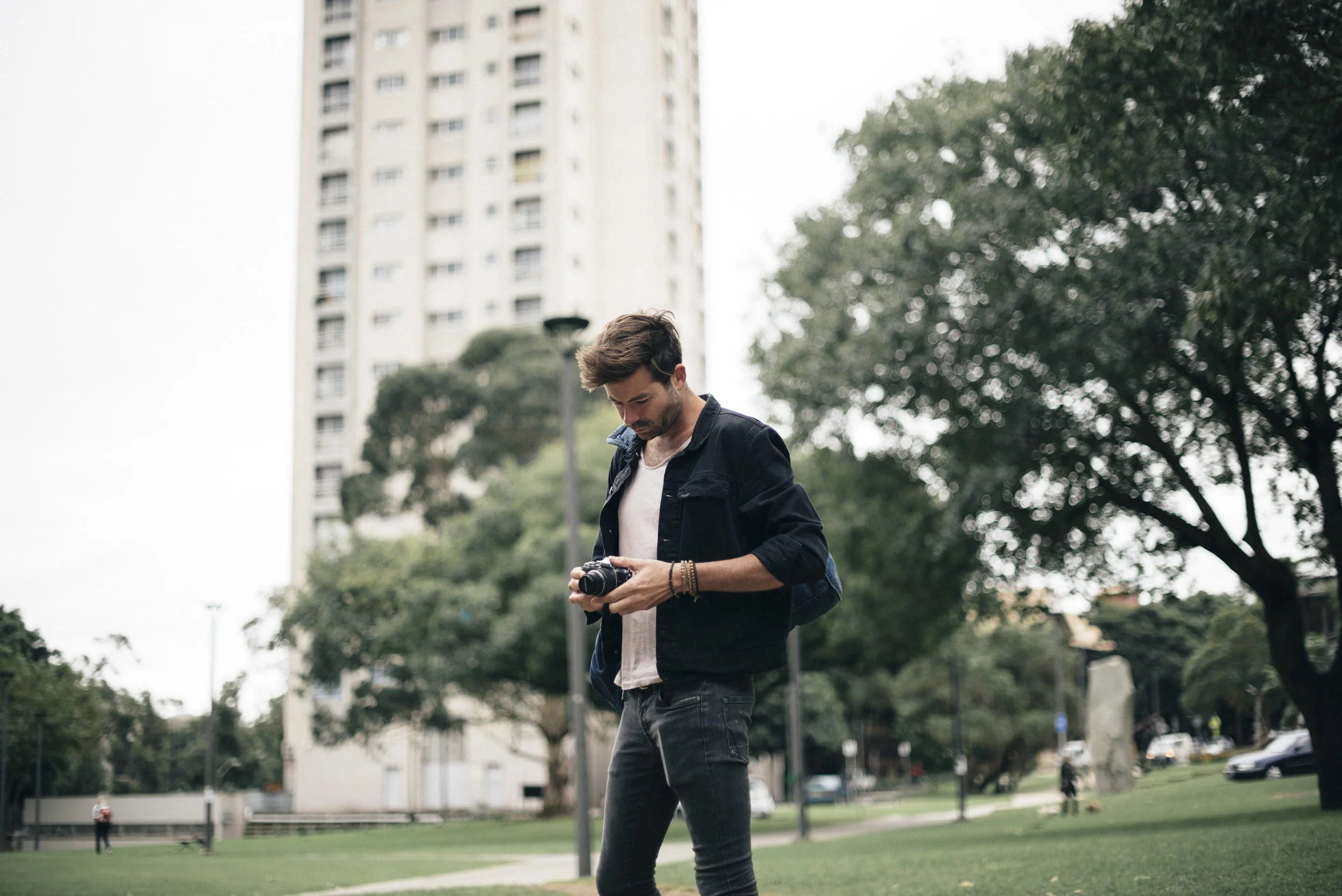
Getting ready to take some shots for the day. Thanks Georgia MacNevin for the photos. 

Getting ready to take some shots for the day. Thanks Georgia MacNevin for the photos. 

Examples of portraits and stories below.

Feature image courtesy Georgia MacNevin.


INSTAGRAM

A conversation with Jess Cook of Sydney's 107 Projects /  by Tom Oliver Payne

Jess Cook has been involved in a range of events and creative projects over the last 15 years. From running collaborative art events and helping to manage large-scale festivals, her latest endeavour is arguably the most ambitious. As Founding Member and Managing Director of Sydney’s 107 Projects, she’s been integral in creating an impressive cultural space in central Sydney. In addition to housing exhibitions, dance classes, theatre performances, artists’ in residence, horticulture, cooking and workshops spaces, 107 has become host to some of Sydney’s most prominent creative organisations and projects. Collaborations include FBI’s Ears Have Ears, Heaps Gay, Groove Therapy and The Bower, to name just a few.

Jess recently showed me around 107, talking about the space itself, as well as creative spaces, more generally. 

Read More

Reminding Sydney of Seidler /  by Tom Oliver Payne

For years, my brother, sister and I would take my grandfather to the beach each Sunday. Arriving early to collect him from his eastern-Sydney flat, he would be perched on his balcony with a tea in his hand, admiring the greenery below.

Built in '66, my grandpa’s building was one of the earliest apartment blocks designed by world-renowned Austrian-Australian architect, Harry Seidler.

Like all of Seidler's buildings, my grandfather's definitely has its imperfections: dead spaces, dark corridors and steep stairwells to name a few. But I can't imagine my Paps would have been happier in any other place.

Horizon Apartments in Darlinghurst, Sydney (1990-1998).

Horizon Apartments in Darlinghurst, Sydney (1990-1998).

The large open-plan living spaces, split levels and north-east facing balconies were bold innovations at the time of its design, and each aided his psychological and physical health right until his final days.

What was important about this building – and any of Seidler's for that matter – was the desire to push engineering boundaries, question planning authorities and pursue modernist design principles in the hope of improving people’s lives. 

Harry followed strict architectural principles under the premise that they were egalitarian, optimised function, or would simply create a beautiful building. And while some of his schemes are, today, viewed as design failures (see Blue Point Tower), each was designed upon a set of values which tried - at least - to make Sydney a better place to live... Even if that meant frustrating his clients and local planning officers in the process. 
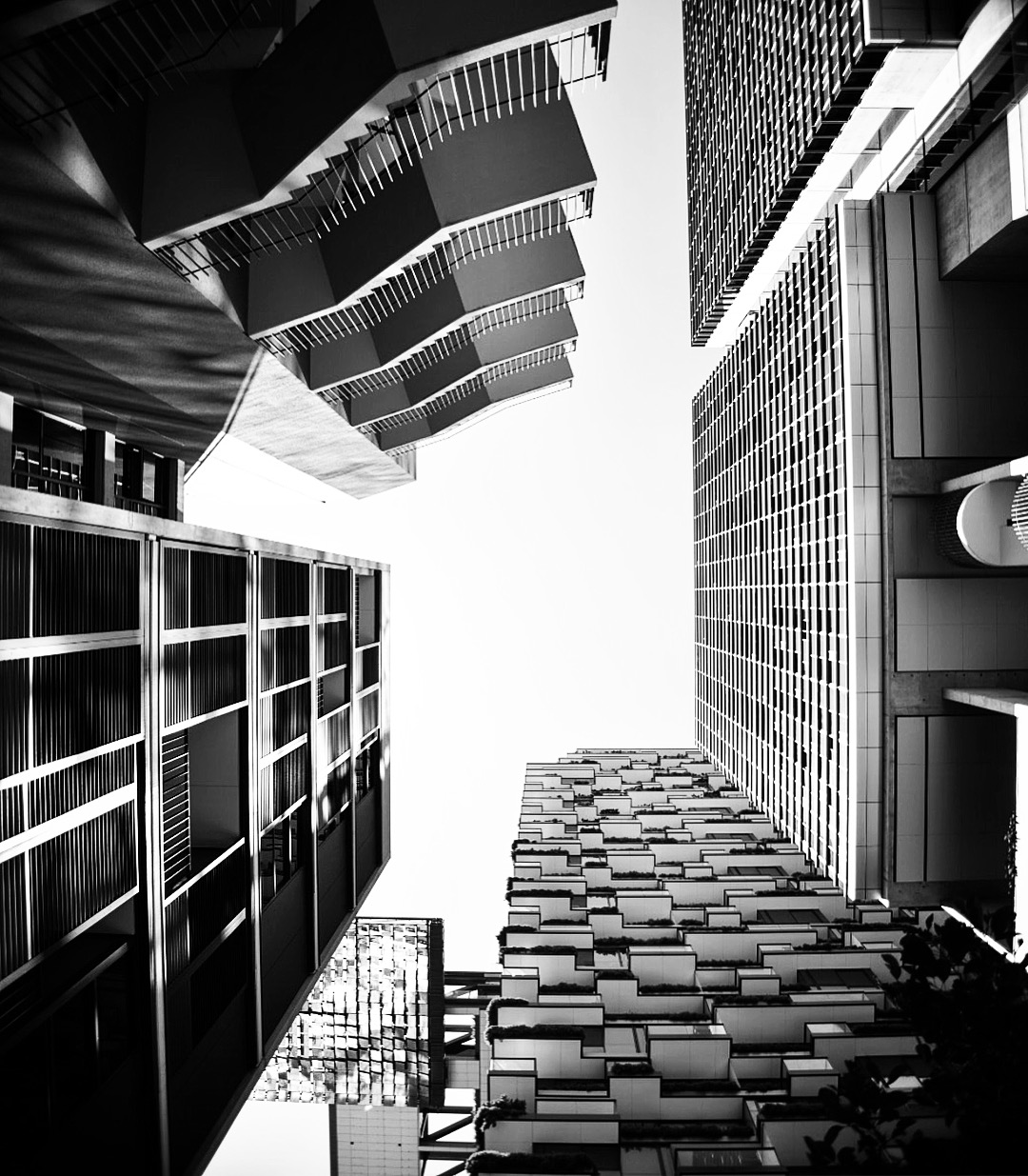
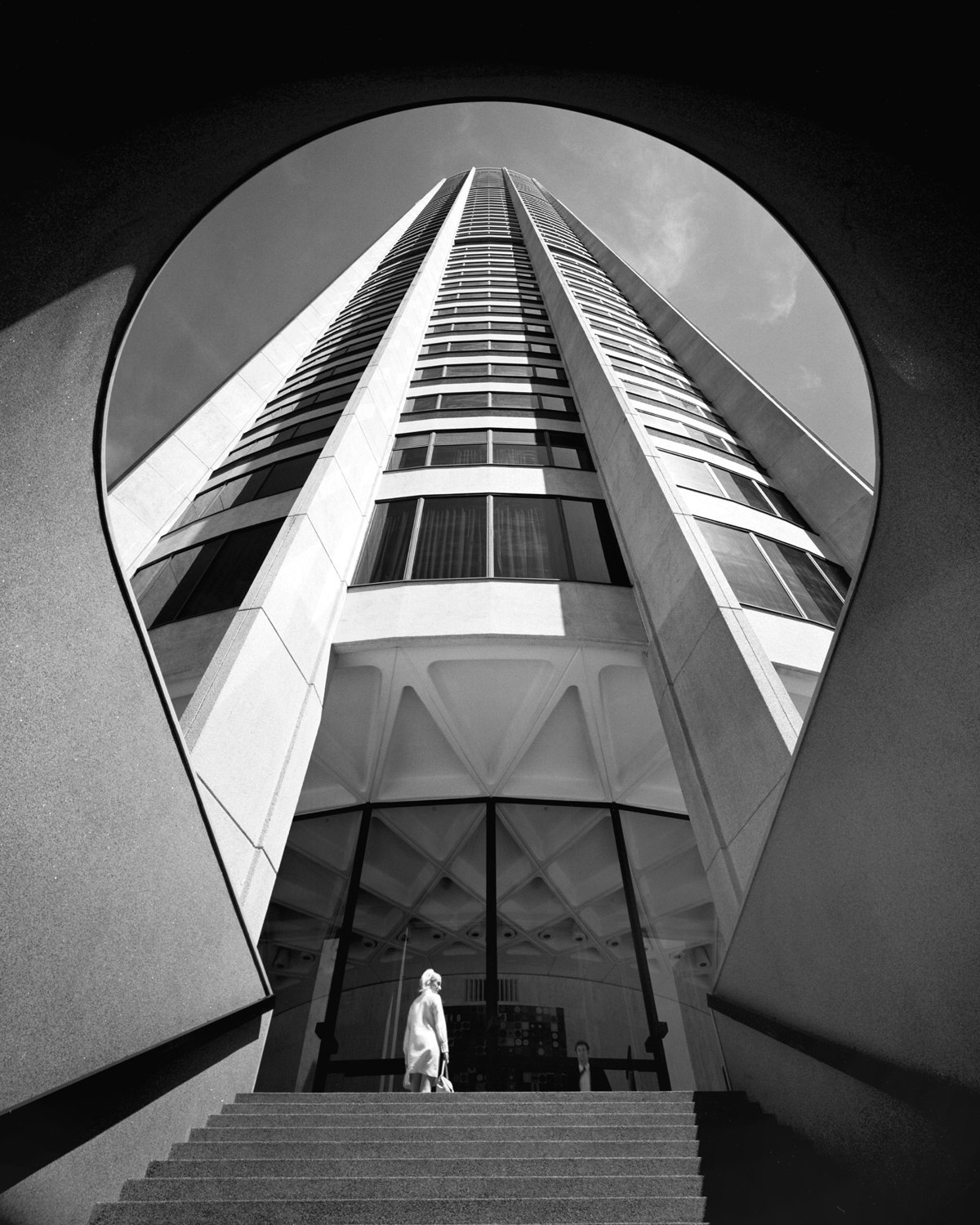
Probably the most iconic Harry Seidler building, Australia Square Tower (1961-1967). Photograph by the legendary Max Dupain. 

Probably the most iconic Harry Seidler building, Australia Square Tower (1961-1967). Photograph by the legendary Max Dupain. 

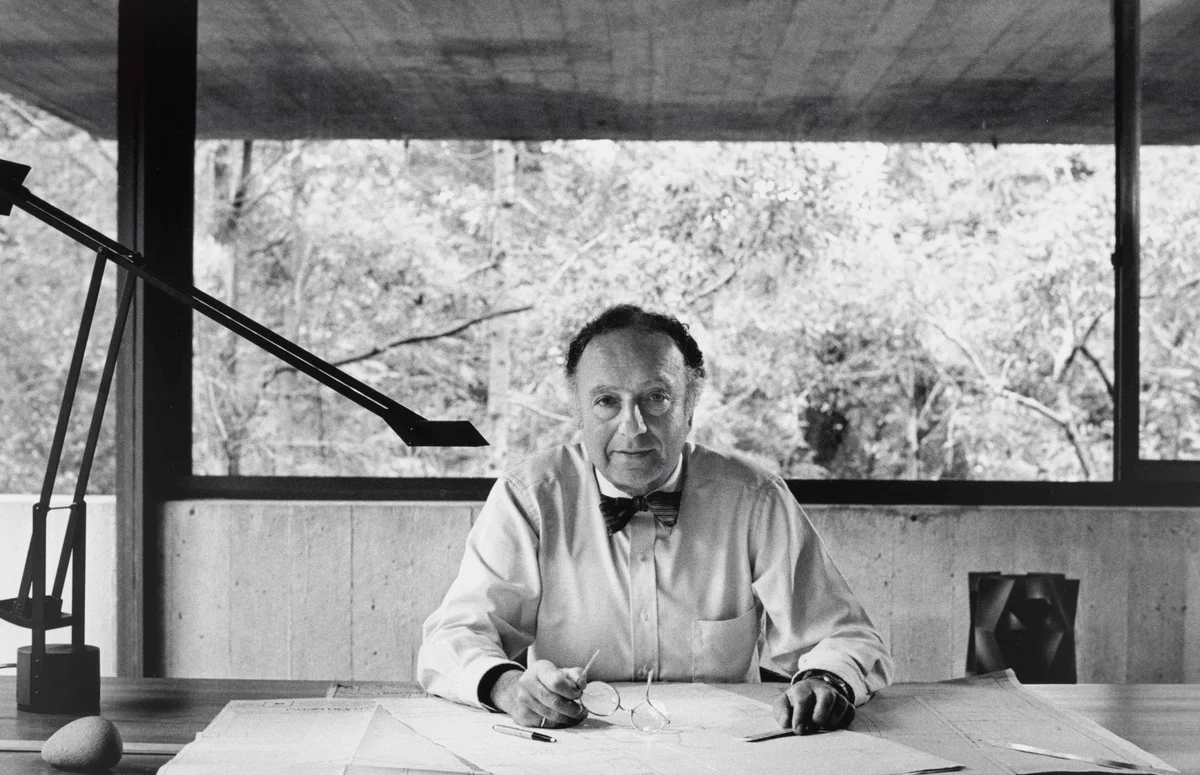
Harry Seidler in his home office. Photograph by David Moore. 

Harry Seidler in his home office. Photograph by David Moore. 

Since returning to the city from London a couple of months ago, I’ve noticed dozens – or possibly hundreds – of new high-rise developments, which resemble something akin to Ikea furniture, rather than architecture. These cookie-cut designs aren’t only badly built, but very little thought has been given to their design. The core principles which were deeply rooted in Harry Seidler's architecture (as well as other great modernists of the 20th Century) have seemingly been ignored.

Aside from the use of bland materials and repetitive form, which is far from inspiring, the structures are often poorly integrated with the existing urban fabric, don't maximise nature or natural light, and contrary to their promised community benefit, their so-called β€˜public spaces’ look and feel like private gardens - dissected from surrounding neighbourhoods.

I guess it was Elizabeth Farrelly who put it best, β€œwe used to think '60s apartments were austere and badly built. Now, they appear as paragons of generosity, grace and certitude”

As large-scale residential architecture appears to have creatively stagnated (perhaps as a result of Sydney's muddled planning system), Harry Seidler’s work remains a reminder that this city's tall buildings can be creative, brave and innovative. 

More importantly, his architecture is a reminder that buildings are not just a commodity, but should seek – at the very least - to improve a city, and the wellness of the people within it.


INSTAGRAM

Interview with Sydney busker, Kane Muir /  by Tom Oliver Payne

Having played music on streets across the world, at 29 years old, busker and musician Kane Muir has experienced a life unique to most. Before he embarks on his next stint in Los Angeles, I caught up with him to talk cities, warehouse-living and the busking lifestyle.

Read More

Photographing Sydney's innerwest /  by Tom Oliver Payne

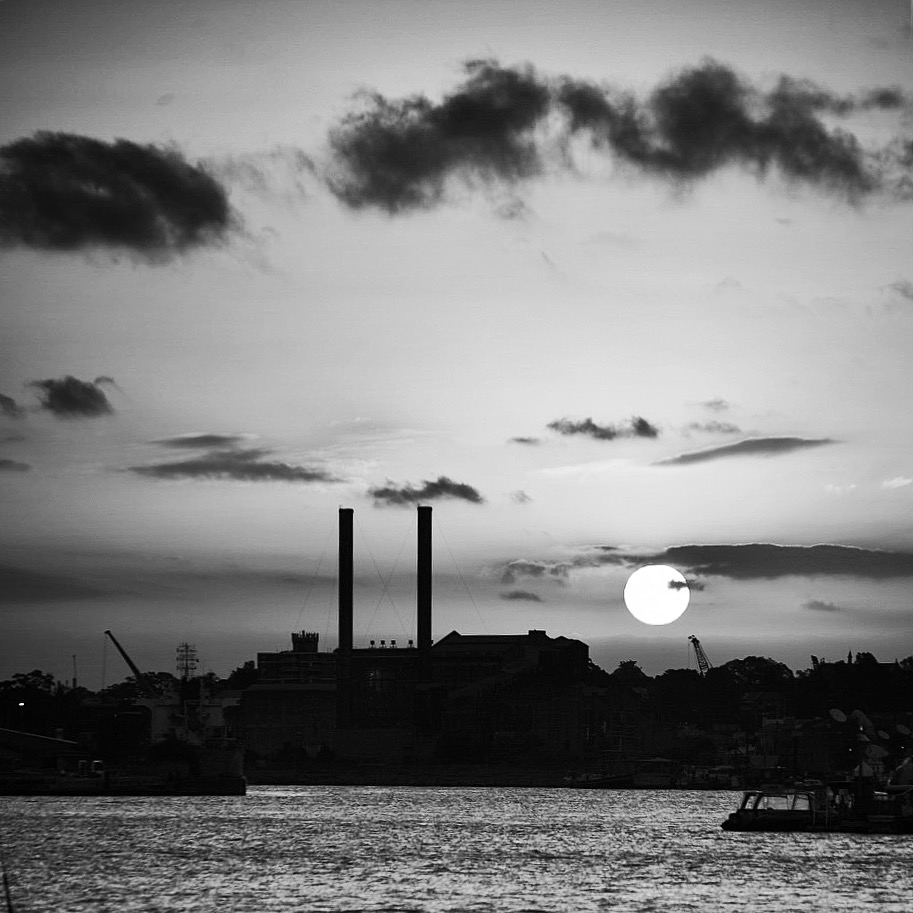
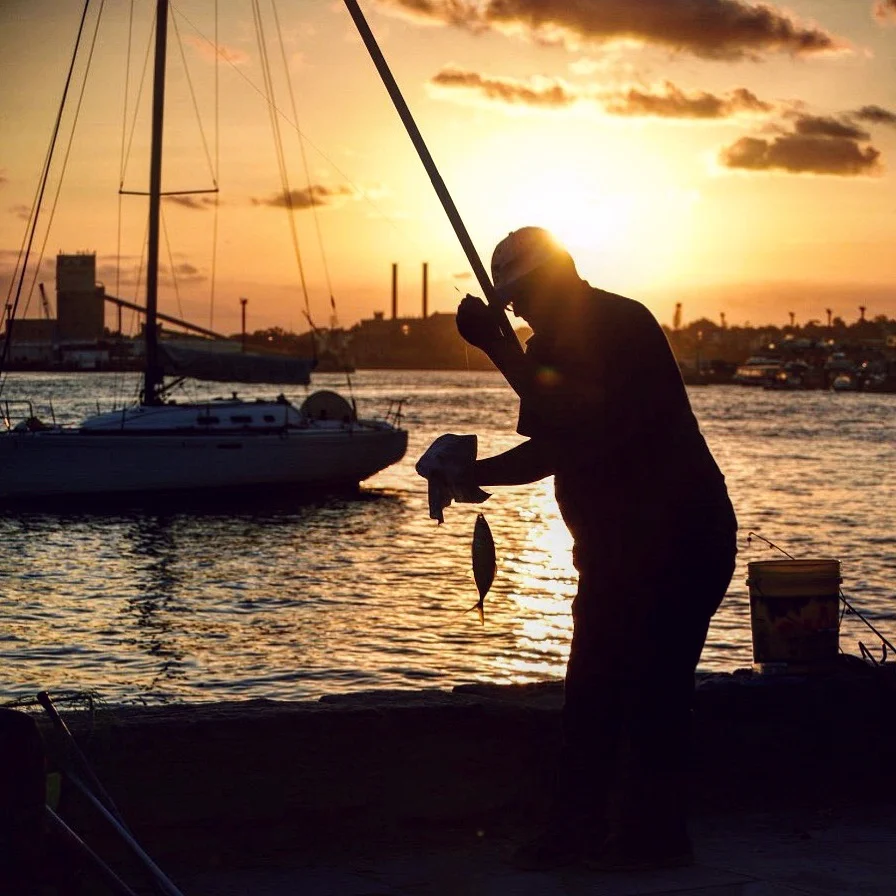
Last week the awesome guys at WeAreShuffle asked me if I would take over their Instagram account for a few days. With their office way up in the the UK within the cold depths of winter, I'm sure a few photos of sunshine and was to be a warm welcome on their feed. I decided to take a series of photos over three days in area of Sydney I grew up in - an inner city collection of neighbourhoods known as the 'innerwest'. 

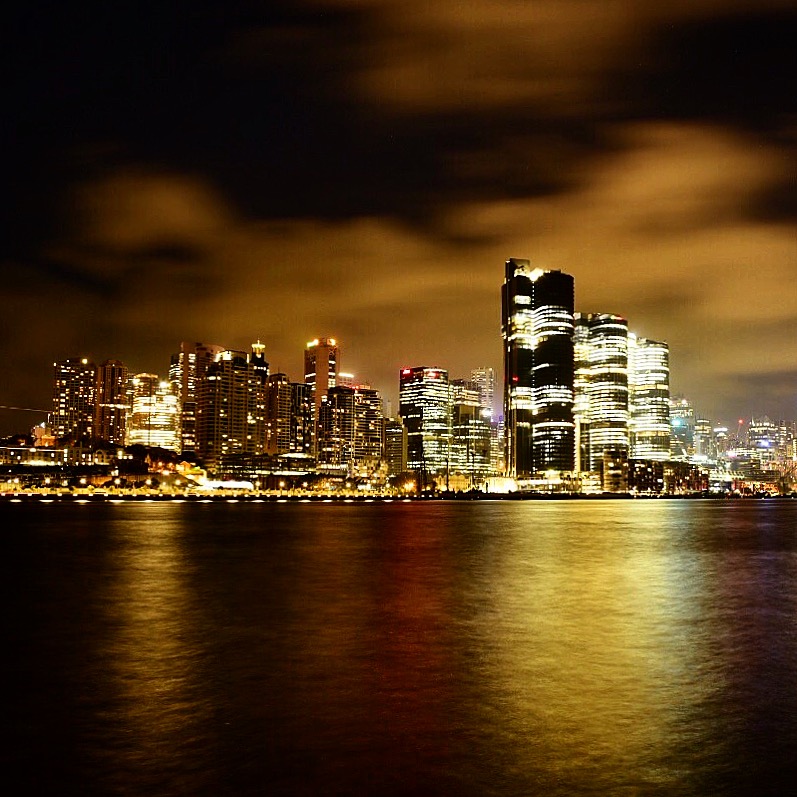
The aim was to represent the diversity of this district. On the one hand, the inner west enjoys some of the best Sydney Harbour views. Multi-million dollar properties line wide streets parked with Mercedes of the city's most 'elite'.

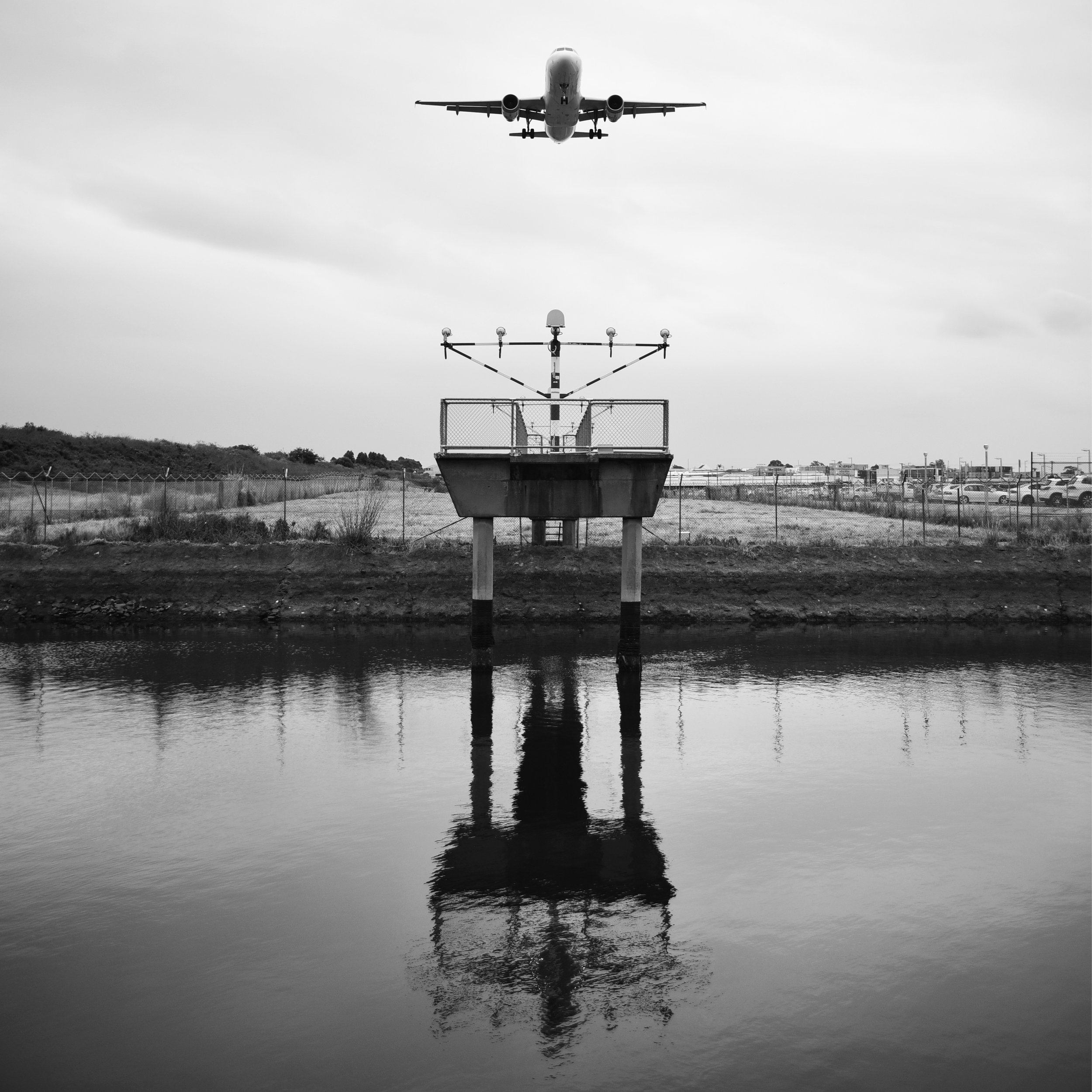
Just one or two kilometres away is the neighbourhood of Tempe, sitting directly under a major international flight path, where the descent of Boeings shakes the core of homes lying below. Perhaps the inner west's most interesting neighbourhood - Marrickville - was once a major industrial hub. Today, it's experiencing a phase of gentrification, much like that of London's Hackney Wick, or New York's Greenpoint. A wave of young people has quickly transformed the existing demographic. 

No matter where I end up in this world, the innerwest is always my home... I guess there will always be something soothing about the sound of an A380 screeching above me. 
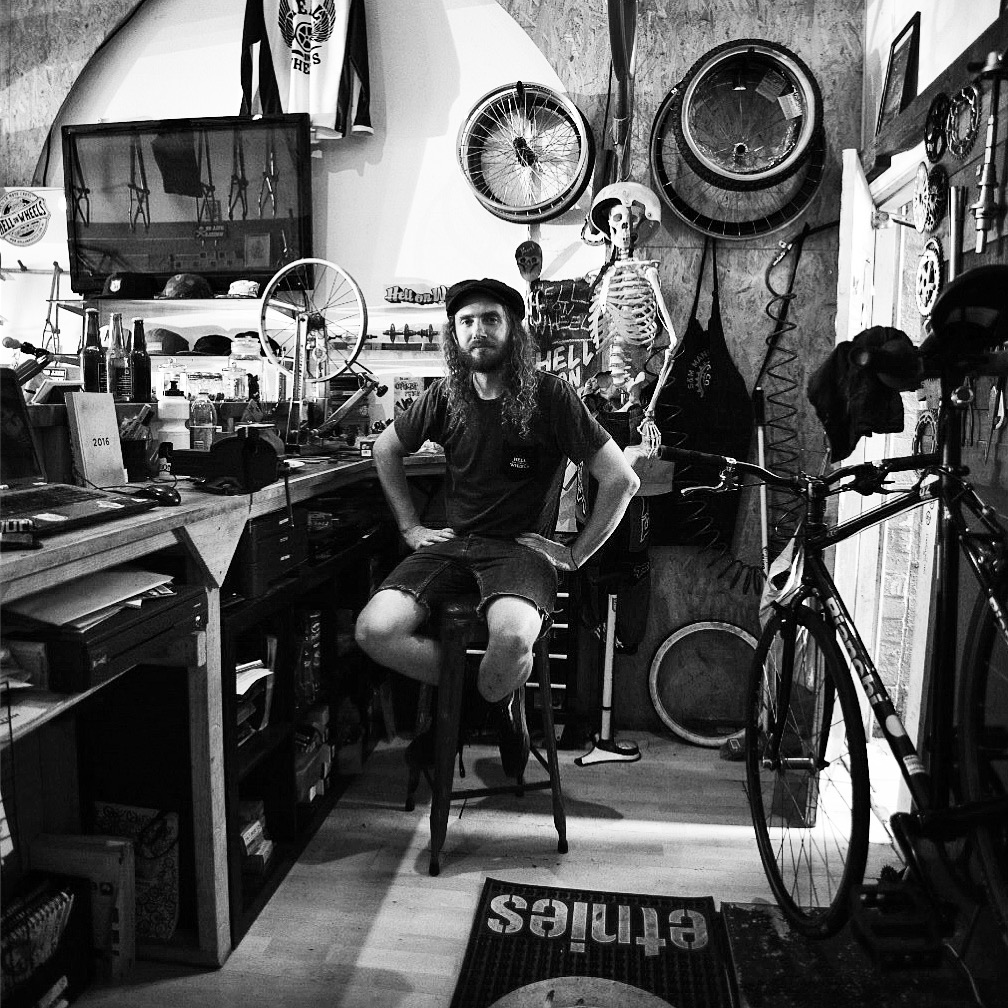
Here are a bunch of the photos from the take-over. 

Be sure to check out WeAreShuffle's feed, or my own for more. 


INSTAGRAM