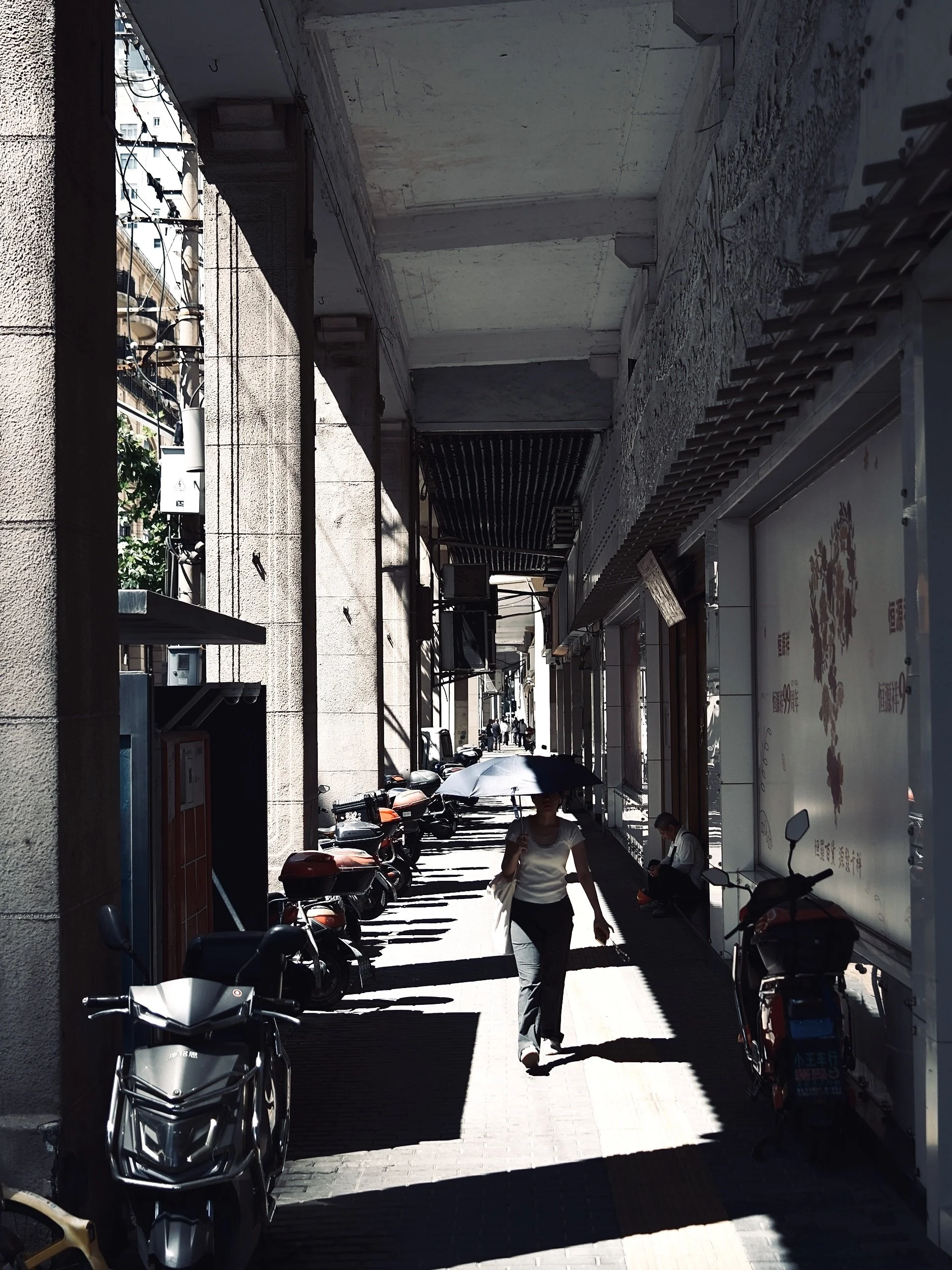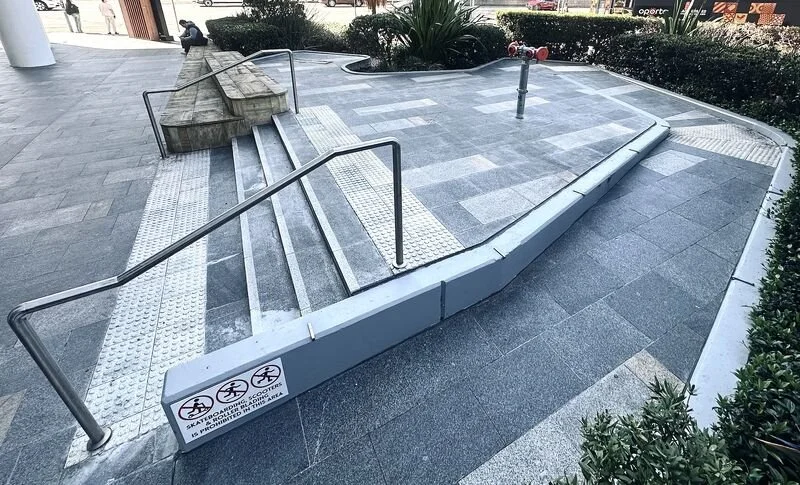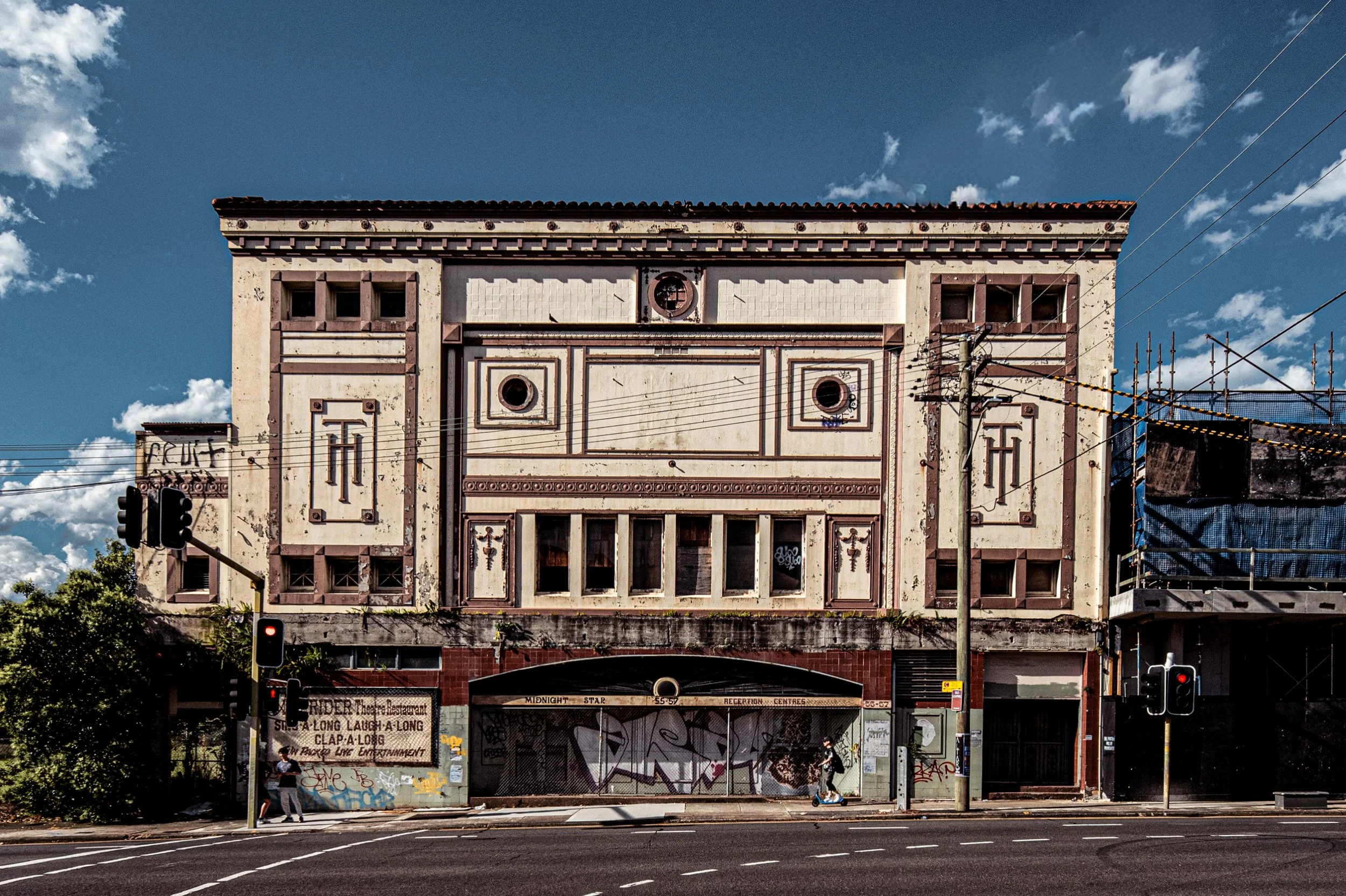
I’ve just finished re-reading Gordon Cullen’s A Concise Townscape, and it’s a firm reminder that placemaking isn’t static; but it’s how a place behaves in real life, when you’re actually walking through it.
Cullen’s idea of serial vision is simple: cities are experienced moment by moment, corner by corner, reveal by reveal. Good places choreograph these moments. They let you turn a corner and feel something; curiosity, clarity, surprise, and delight.
And this isn’t just about buildings. Places should tell a story through what they show you: framed views, small cues of local history, well-placed art, markers, materials and moments that help you read where you are. How these elements are positioned in the journey, their scale, sequence and relationship to each other, is just as important as the objects themselves.
If placemaking has a job, it’s to create this sense of narrative and flow. To make the city legible, textured, human. To let people discover a place rather than simply arrive in it.
That’s the work. And it’s more interesting than a static snapshot ever could be.
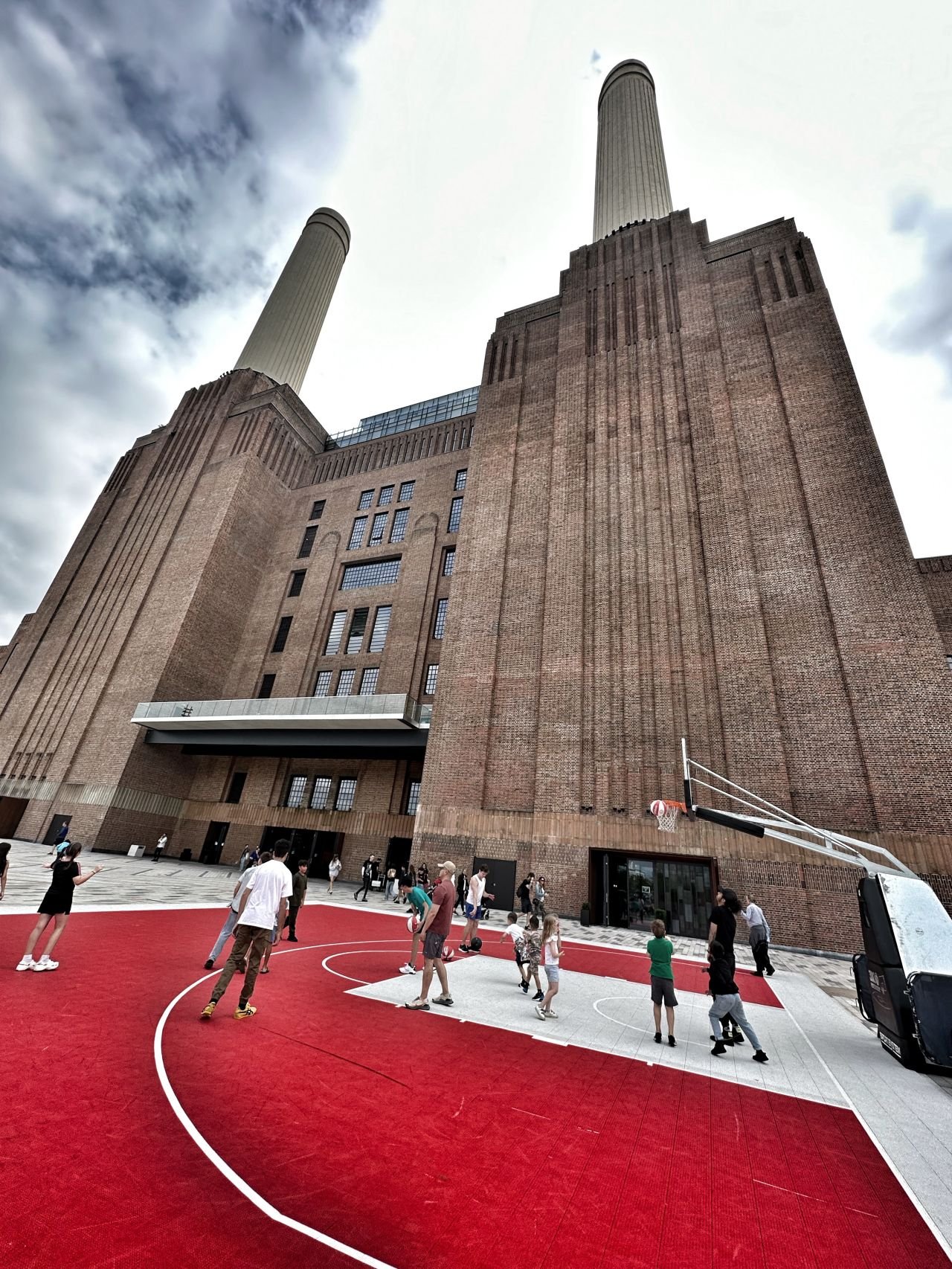
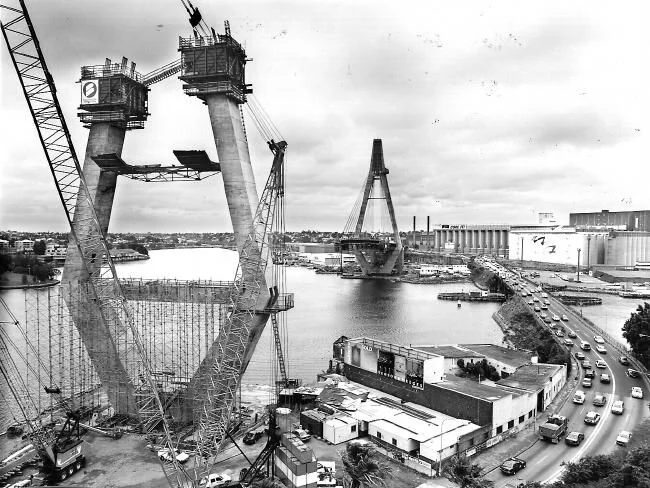
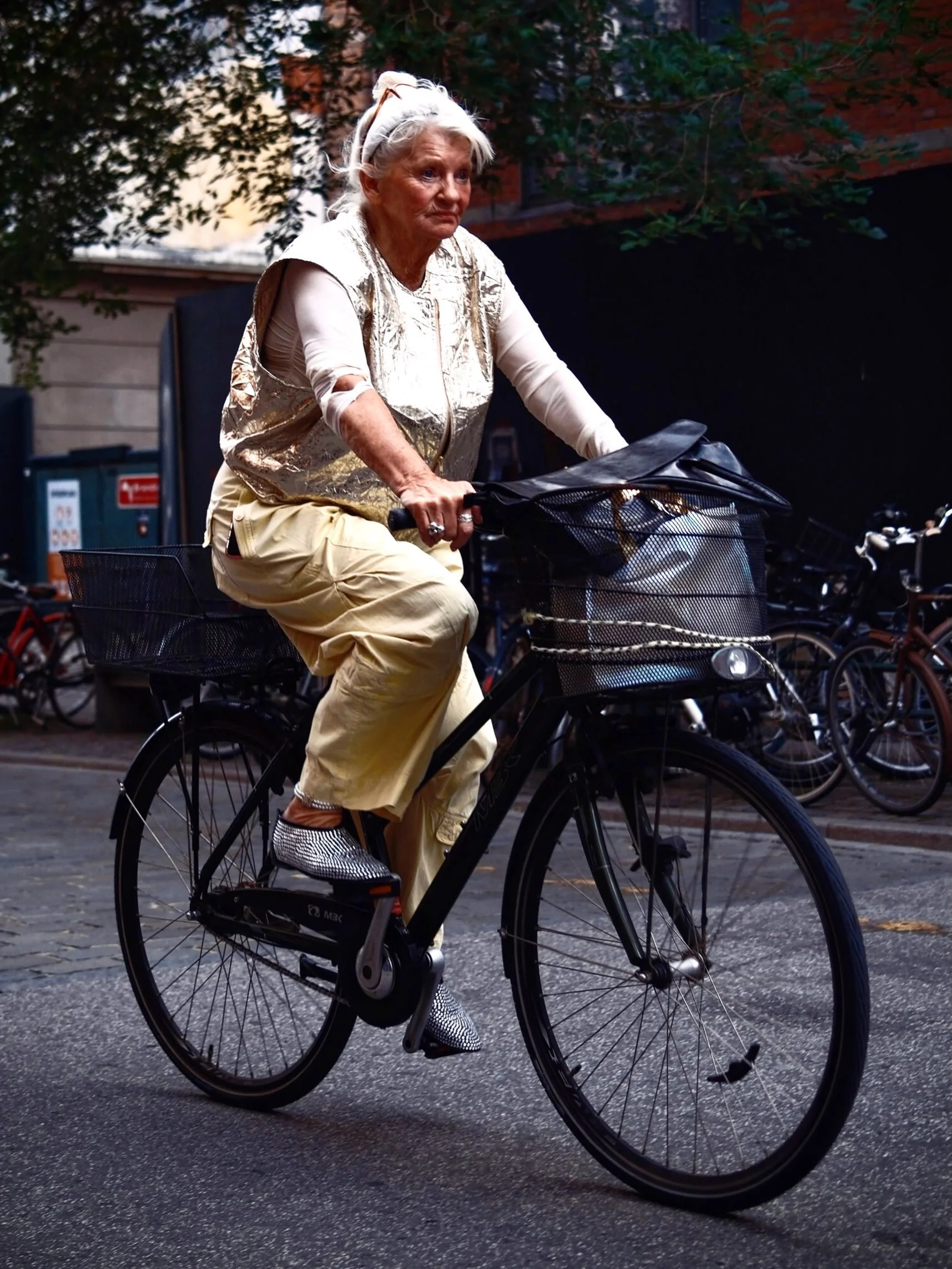
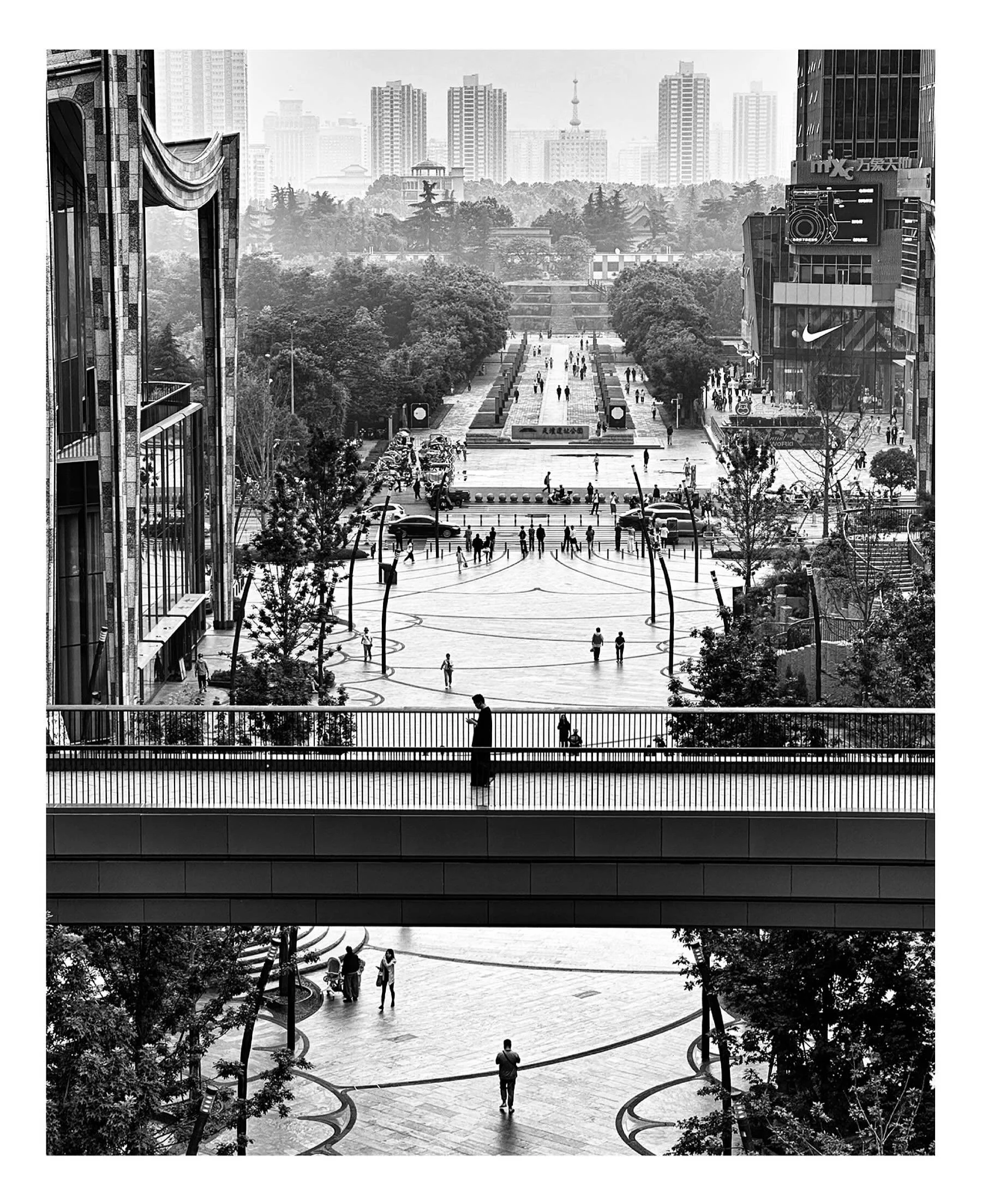
(Images: two of my own photographs exploring the quiet in-between moments where character actually reveals itself.)
Image of Seidler’s Australia Square tower. A replica of Dupain’s famous angle.
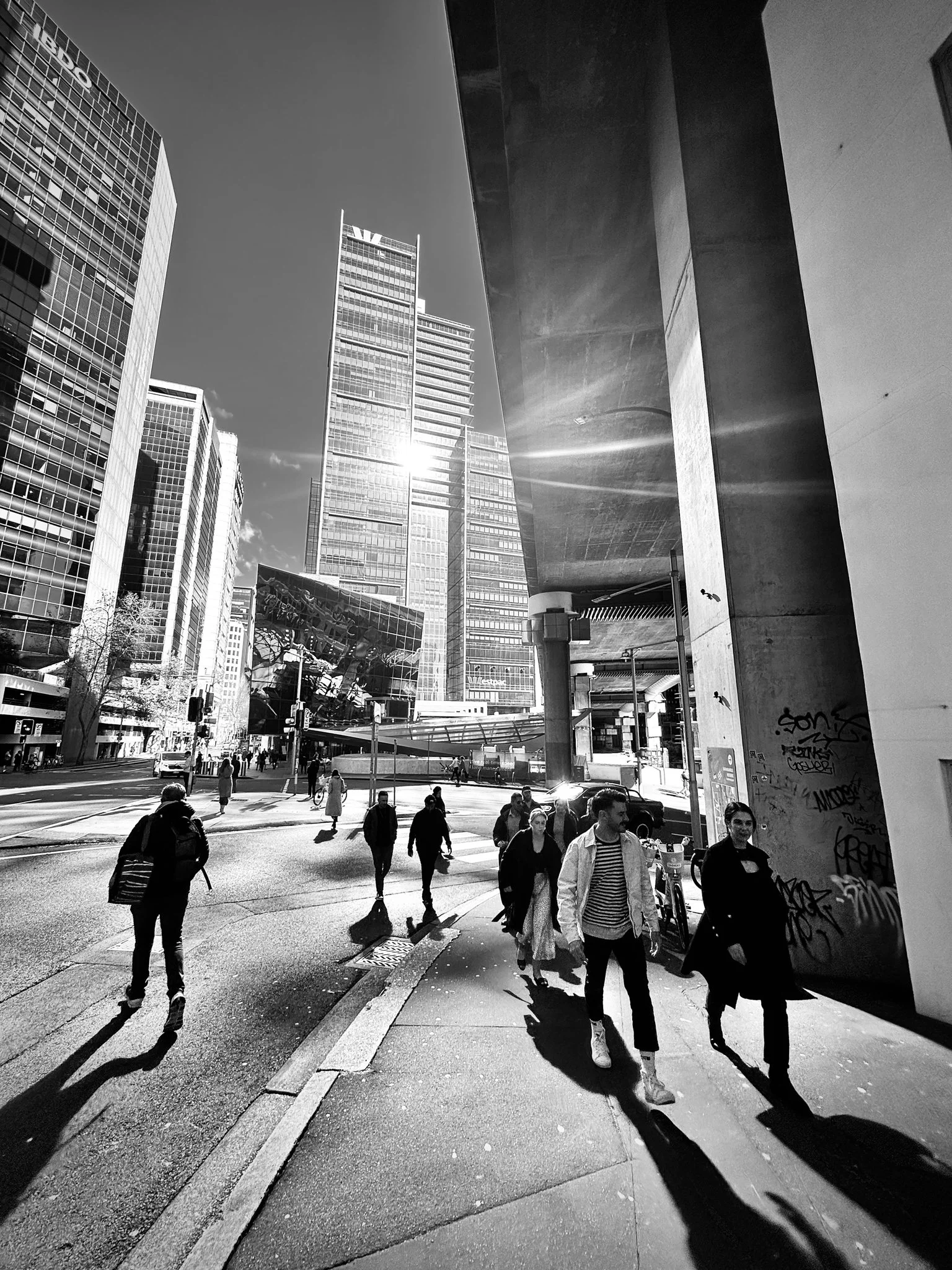
Sometimes view points and sight lines reveal themselves in unusual ways and unexpected locations. But too often we fail to design for them.