
Two weeks ago one of the world's most iconic cultural locations was listed for destruction. This week, after years of opposition, another iconic site also moves dangerously close to demolition.
Read MoreWill La Sagrera help to stimulate the barcelonian economy? /
The recession continues to cripple the Spanish housing market.
While Barcelona remains is one of the strongest cities in the country, high unemployment rates, low wages and a decline in foreign investment means that many residents are unable to pay housing rental and services bills. And as a result, homelessness and mobbing continue to rise.
Last week I travelled down to Barcelona to learn about the district being regeneration of the La Sagrera district. The Sagrera high speed railway station, promises to deliver economic growth through connections to Madrid and France.
The government has told the locals that the area will boom.
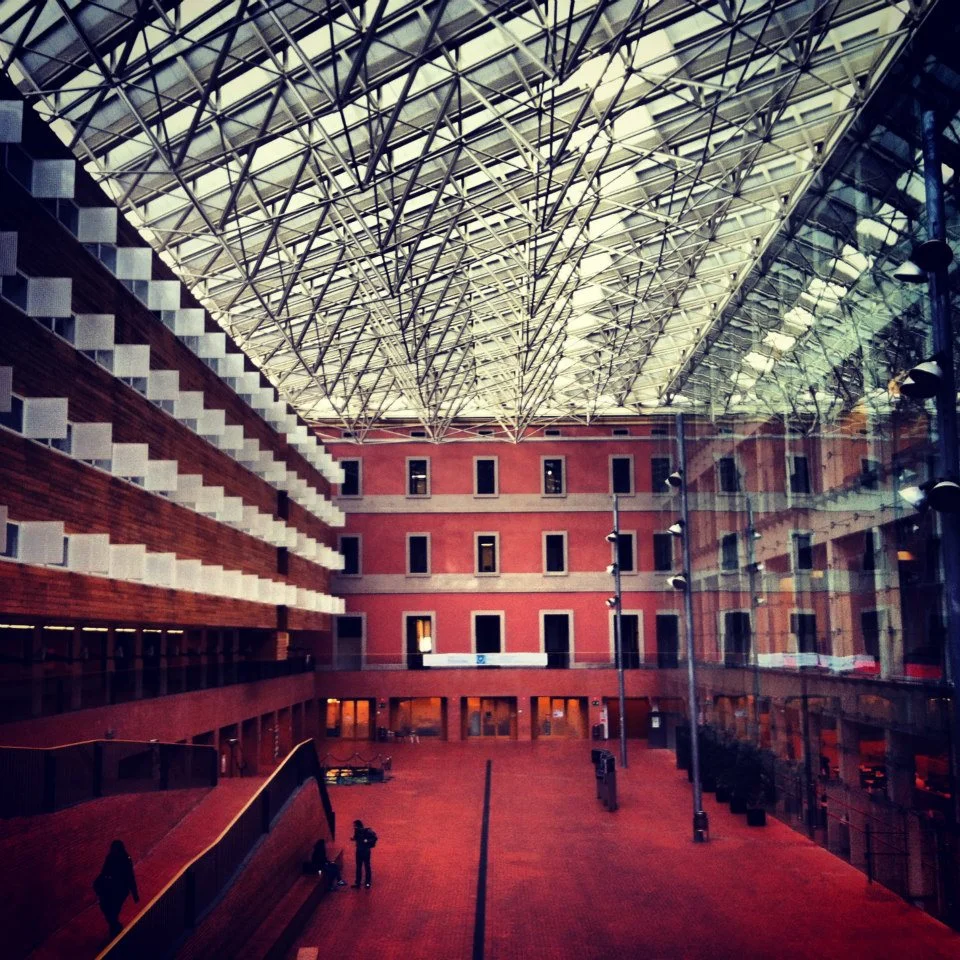
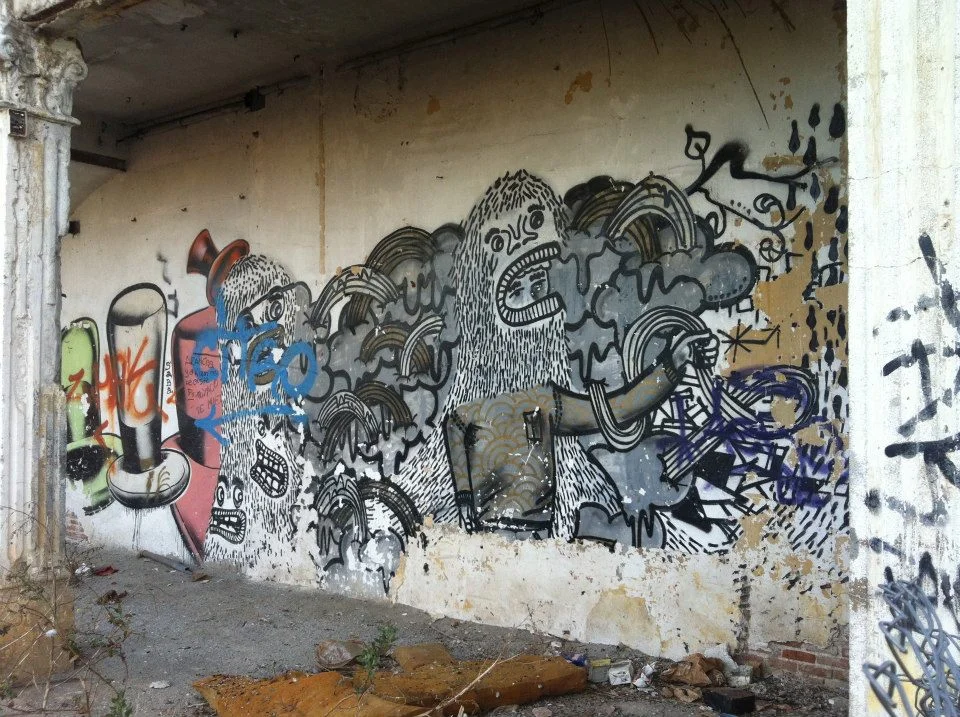
But on the ground, I worry this could be a white elephant or an over-promise with false hope. Grandiose buildings stand empty, and the areas surrounding construction sites remain run down or derelict.
The Spanish Government has a good record of promising loads of big stuff that will regenerate the economy, only to find that it creates more debt. Let's hope this isn;t another one.
Time will tell whether or not this major development will actually see benefit for the local community. I hope to provide an update in a few years down the line.




Sydney’s Barangaroo: Repeating Mistakes of the Past? /

Casino tycoon James Packer, is bidding to build a resort-style casino on the Sydney's most central and beautiful foreshores - Barangaroo.
Every city has had its planning blunders. In fact, a number of monstrosities are probably being constructed near you right now. I’m sure you can name a few. Too often mistakes are made today because past errors have been too easily forgotten.
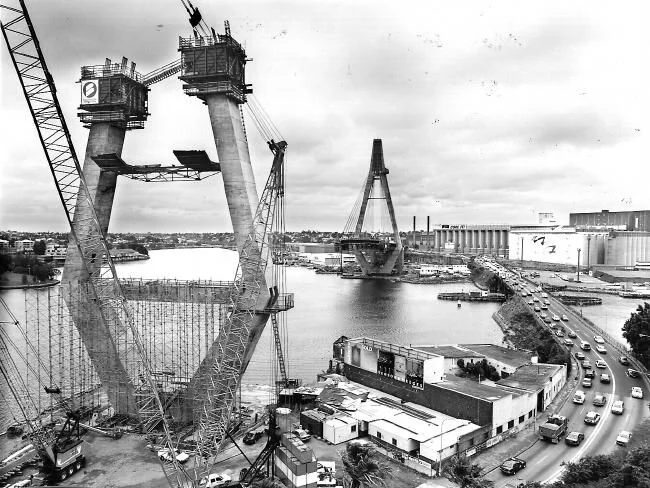
Throughout the 60′s, the Sydney construction industry was booming; skyscrapers were being erected across the central district, new motorways were extending into the vast suburbs and ex-industrial foreshore sites were quickly being developed into large housing estates as industry moved further inland. “Brave new world” masterplanning techniques embedded the development industry and the city saw the loss of some of its oldest buildings and most vital green spaces.
The Green Ban movement of the 70′s changed all of this. Between 1971 and 1974 around 40 construction bans were imposed by the Builders Labourers Federation to prevent the destruction of buildings or green areas. The most controversial was the ban to halt the redevelopment of The Rocks. After years of strikes and bloody confrontations, the plan to redevelop Sydney’s oldest suburb was altered to ensure strict preservation of historic buildings. Today,The Rocks is one of the city’s largest tourist destinations.
So, what did Sydney learn from the Green Ban movement? According to the new plans to redevelop Barangaroo, not a lot. While the bans did reform planning policy and change the development culture of the entire nation, it seems that in 2013, all has been forgotten.
Casino tycoon James Packer, son of the famous Kerry Packer, is bidding to build a resort-style casino (alongside multiple office buildings) on the city’s most central and beautiful foreshores – Barangaroo.
Interestingly, Barangaroo sits just down the street from The Rocks. So, with this in mind one would hope Packer has carefully considered the area’s history but it doesn’t look like it. All Packer seems to care about his how his “iconic project” can compete with Melbourne and China. With so much support for his development, it seems that the rest of the city has forgotten as well. If we’ve learned anything from Sydney’s past, it’s that the preservation of itsnatural features, particularly the harbour and foreshores, are what has made it such a globally attractive city.
Cities don’t succeed by copying others. Rather, they become far more unique and exciting by learning from their mistakes and enhancing their best features. I don’t know about you, but I’d say another tacky casino doesn’t seem to fit that mould.
Click here to check out this article on the Urban Times.
Feature image courtesy aussiegall/Flickr.
Jack Mundey at The Rocks, Sydney /

Following up the Barangaroo article I wrote for the Urban Times, I was informed about this beautiful temporary mural of Jack Mundey down at The Rocks.
The exhibition Dissolve by Portuguese artist Alexandre Farto ('Vhils') (see on Artsy) acts to once again remind us of Sydney's very important urban history... One that should not be forgotten in today's planning context.
What an awesome piece of work. If you're in Sydney check out the this page for more info on the gallery.
Feature image by Baddogwhiskas.
This is Mae La, Thailand... /
A few years ago I spent some time in a refugee camp for indigenous Burmese fleeing across the border into Thailand, so when I found this film below on a similar camp a few hours north, I felt compelled to share.
Read MoreThe low-down on Sticker art /
Stencil Graffiti and sticker art subculture has been around for a good few decades...
Read MoreI just went to Paris: I loved its boulevards /
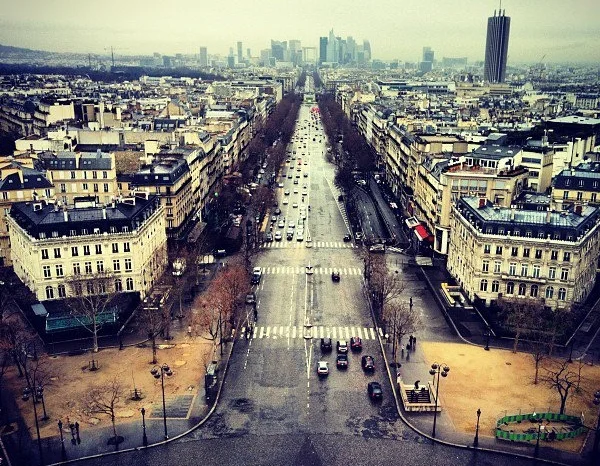
I just got back from a few days in Paris. Perhaps the most recognisable features of the its urban landscape are its huge boulevards and symmetrical road networks.
Its large avenues, boulevard rings and urban squares are not a historical accident, but were part of a major plan to modernise the city in the 18th and 19th century with the radical plans of Baron Georges-Eugène Haussmann. Funded by Napoléon III, The Haussmann Plan completely restructured Paris, giving it its present day form. Cutting through traditional alleyways, new rationally-designed boulevards and avenues and new open spaces established the foundation of what is now one of the most popular and highly regarded urbanist features of Paris.
Haussmann took a highly militarised approach to planning and has been criticised for the demographic and social effects of his urbanism operations. Even today, he is still seen as both a 'hero' and 'destroyer of Paris'. Looking back however, it seems to me that these major changes just 150 years ago have brought significant benefits to Paris - changes that would be virtually impossible to implement and fund today. In addition to their obvious function to create public spaces and increase pedestrian, bicycle and vehicle mobility, the boulevards create a beauty that few other cities in the world possess. These shots I took over the last two days illustrate the perfect uniformity created by the Haussmann Plan.
Photos by Tom Payne.


All photos by Tom Oliver Payne
Check out this film... Life in a Day /
4500 hours of footage was captured from 192 countries documenting people's lives over the course of the day.
Read MoreI just rode down to Canary Wharf, London. It wasn't that bad. /
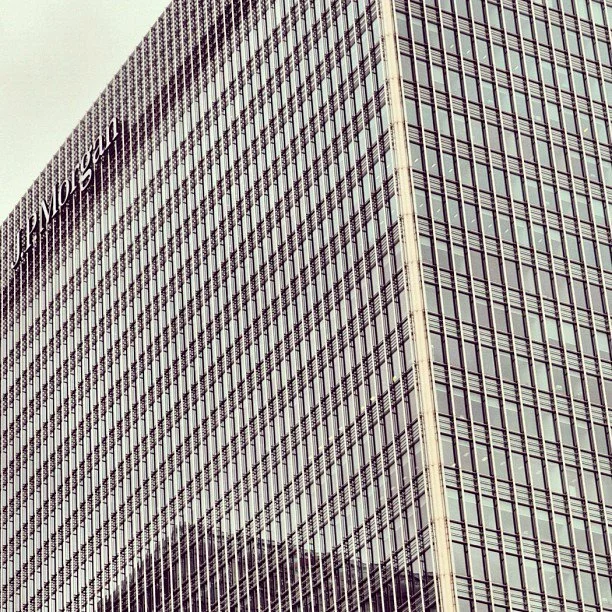
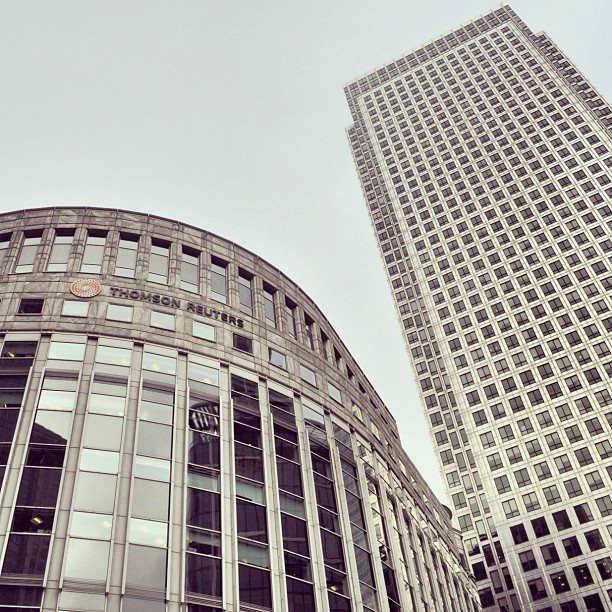
Located in the Isle of Dogs, Canary Wharf is now one of the largest financial centres in the world. Following years of political debate and local opposition, the initial masterplan was approved in the early 1990s, and a series of development stages have followed, creating a total of 400,000 m2 floor space.
The site has been highly criticised on a number of fronts; sterility, lacking cohesion with London and having been developed with too much public investment from the public sector.
But is it still too soon to judge?
Like most master plans, Canary Wharf has had teething issues (it isn't exactly the most people-friendly environment). But given the current economic climate, hind-site may shine a more positive light on the place that has given office space in London a place to breathe.
And besides all of that, I thought the tall towers looked pretty cool, so I took some photos!...

The revolution of the wheel /

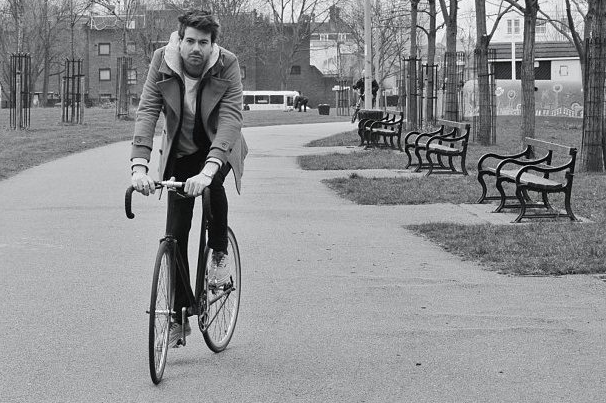
Photo by Scott Schuman
I was riding my bike the other day, watching the cars stuck beside me in traffic. How crazy is it that the simple 19th century invention of the bicycle is still one of the best (or THE best) forms of transport that we have.
In many ways I feel like the wheel has almost completed an entire revolution. The rise of the car in the 1950s and 60s led to the reshaping of entire cities, first across the USA, and then the world. Once centered around walkable shopping districts and train lines, they began to spread into vast suburbs and homogenous urban landscapes. So too did the car change our way of thinking. It became a symbol of freedom, a symbol of maturity and a form of identity.
So what happened?
Just like in other aspects of modern society, we have begun to realise that growth is not necessarily sustainable. We can no longer keep producing without recycling, we can no longer own large homes on large blocks of land, and we can no longer all drive to work. There are simply too many of us. And yes, one could argue that we could spread our wings and repopulate and revitalise rural areas. But not only do we rely on the economies of scale of cities to compete in the globalised world, but the 'green' countryside is also very 'brown'. Those living in spacey rural areas generally have far greater environmental impacts than those in cities.
Exploring London on my bike
We have begun to see a tipping point. Do we keep consuming, keep producing and keep driving until we can't anymore? Or do we take a new approach?
We have already begun to see a return to a more minimalist western society, particularly through the rise of collaborative consumption and the return of the bicycle.
With and without government support, the bike has begun to make a return across the world. Whether people are sick of waiting in traffic for hours of their day, whether they can't afford road taxes, or whether there is simply no space to park, people have begun to swap the car for the bike. For ten years in a row, bike sales have outstripped car sales in Australia.
Some may call it a trend, but I'd say it's all part of a bigger revolution.
Not every city will adopt bike use in the same way, and some cities won't adopt bikes at all. An array of factors will determine how, exactly, these wheels will revolve. Some cities never moved away from the bike in the first place (Copenhagen), some cities have stubborn politicians (Sydney), some cities are simply too hot (Phoenix), too cold (Ulan Bator) or too vast (Los Angeles). But across the globe we are beginning to witness a shift in the way we think.
Just like the revolution of a wheel, we are perhaps, returning to where it all began.
On that note, I'd like to leave you with a film called Brussels Express. There are a lot of bike messenger films out on the web at the moment, but this one is particularly brilliant. Through the perspective of one courier, we can see a city that is hitting its tipping point. Will the bike be the answer to its problems?
I Love This Film on Farming in New York City /
This cool little film from NYC showcases some amazing city farms, and how their produce is utilised by the local community, as well as businesses.
Read MoreWhat makes Bondi famous? /
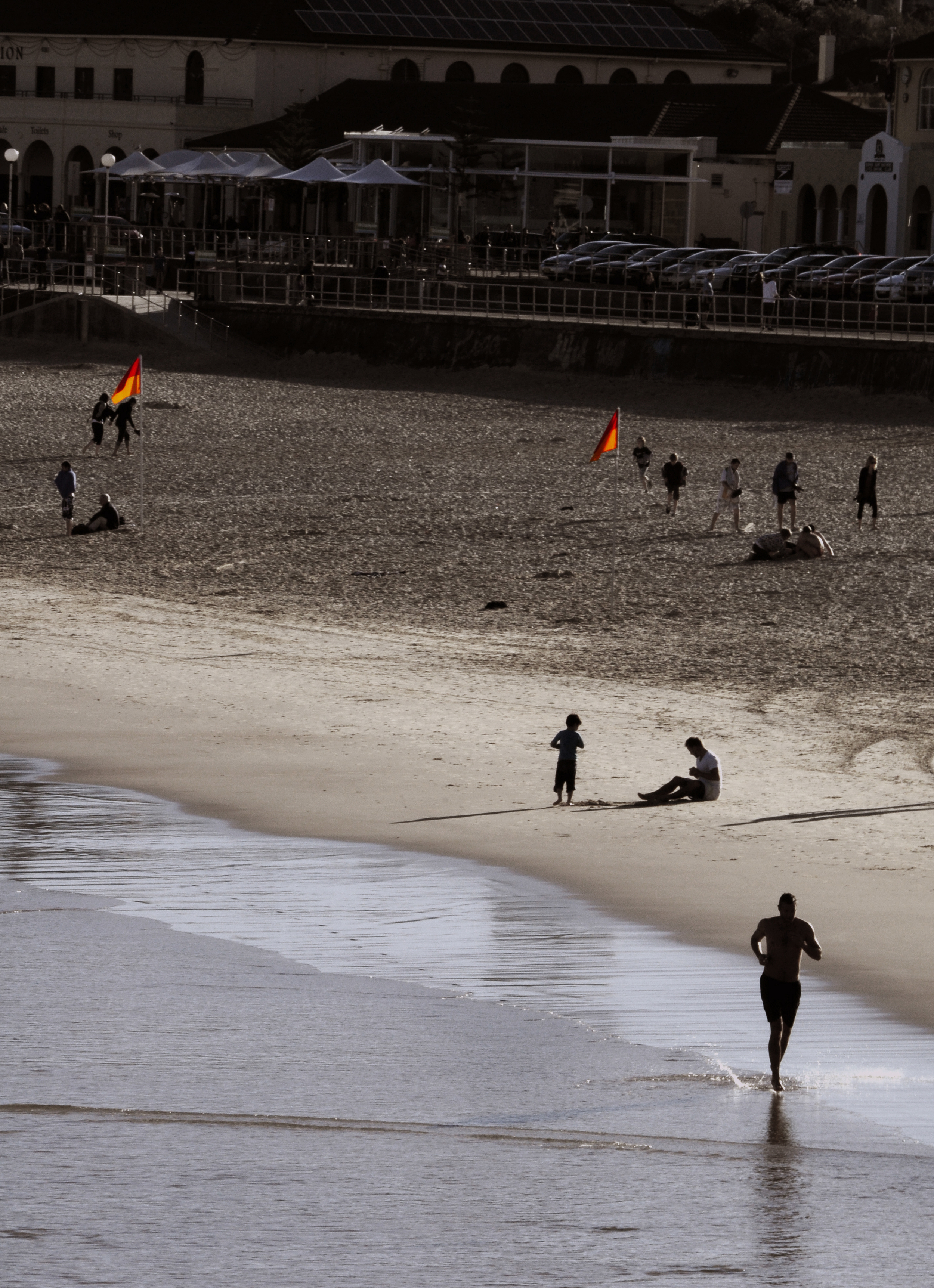
Early mornings are always a good time to take photos down at Bondi.
I was hanging out with my grandpa down at his favourite beach this morning - Bondi. After years of heading there with friends and family, taking photos, swimming and surfing, I thought it was about time I shared my thoughts on what is also one of my favourite places in Sydney.
Bondi is one of the world's most famous beaches, and is incredibly special to Sydney. Located 7 kilometres from the Central Business District, it has always been the 'city beach' (my 95 year old grandpa wouldn't let you forget it), and is the face of almost every Australian marketing campaign - from Bondi Rescue to QANTAS advertisements to Oporto's Burgers. But what has kept Bondi beautiful is not its fame, or fortune... It is actually, the opposite.
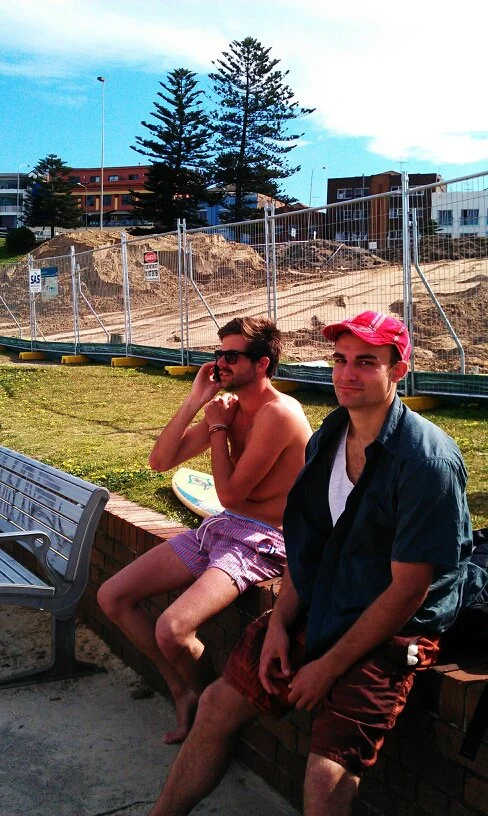
Me chatting away on the phone while my friend Sam Doss patiently waits on... :)
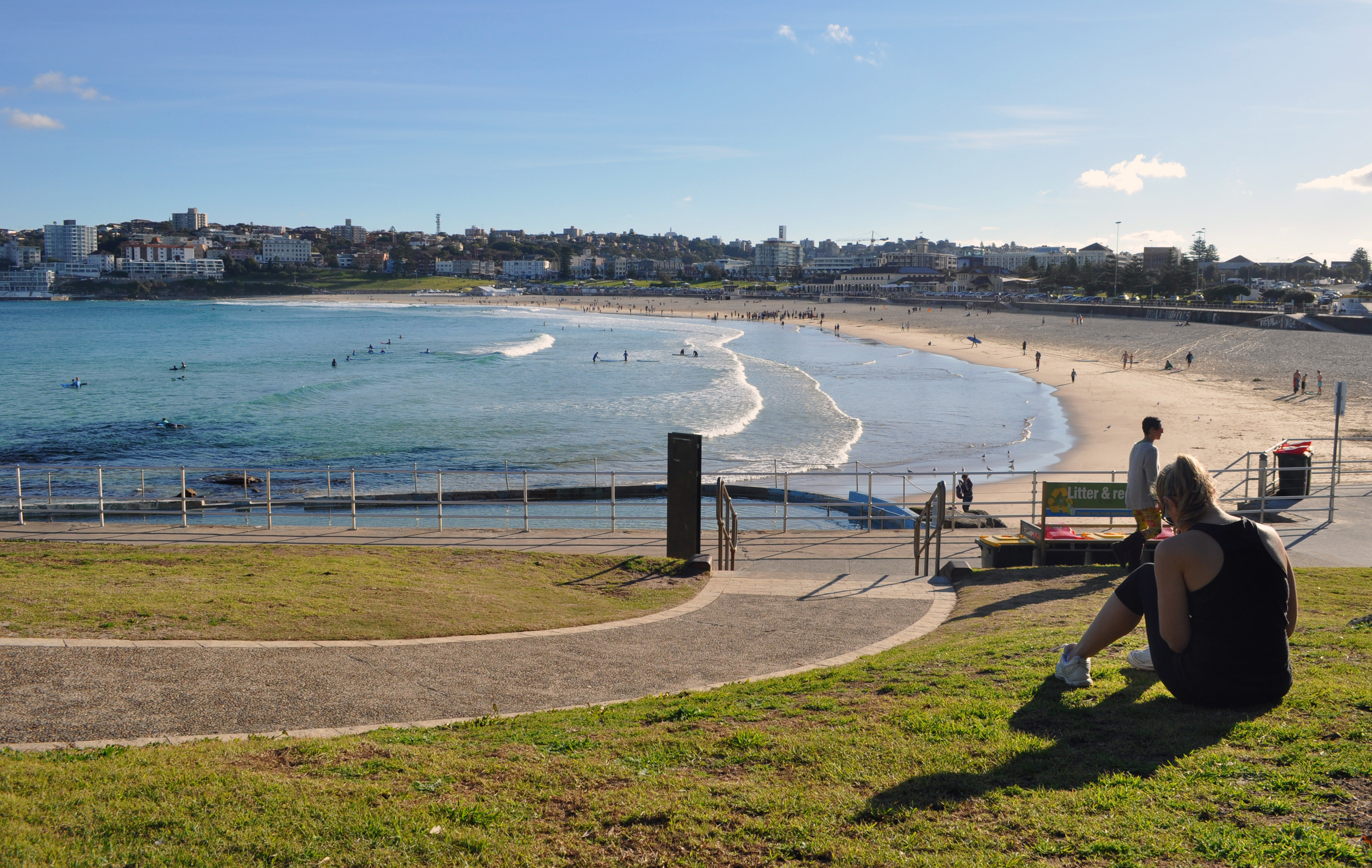
North-side view of the beach.
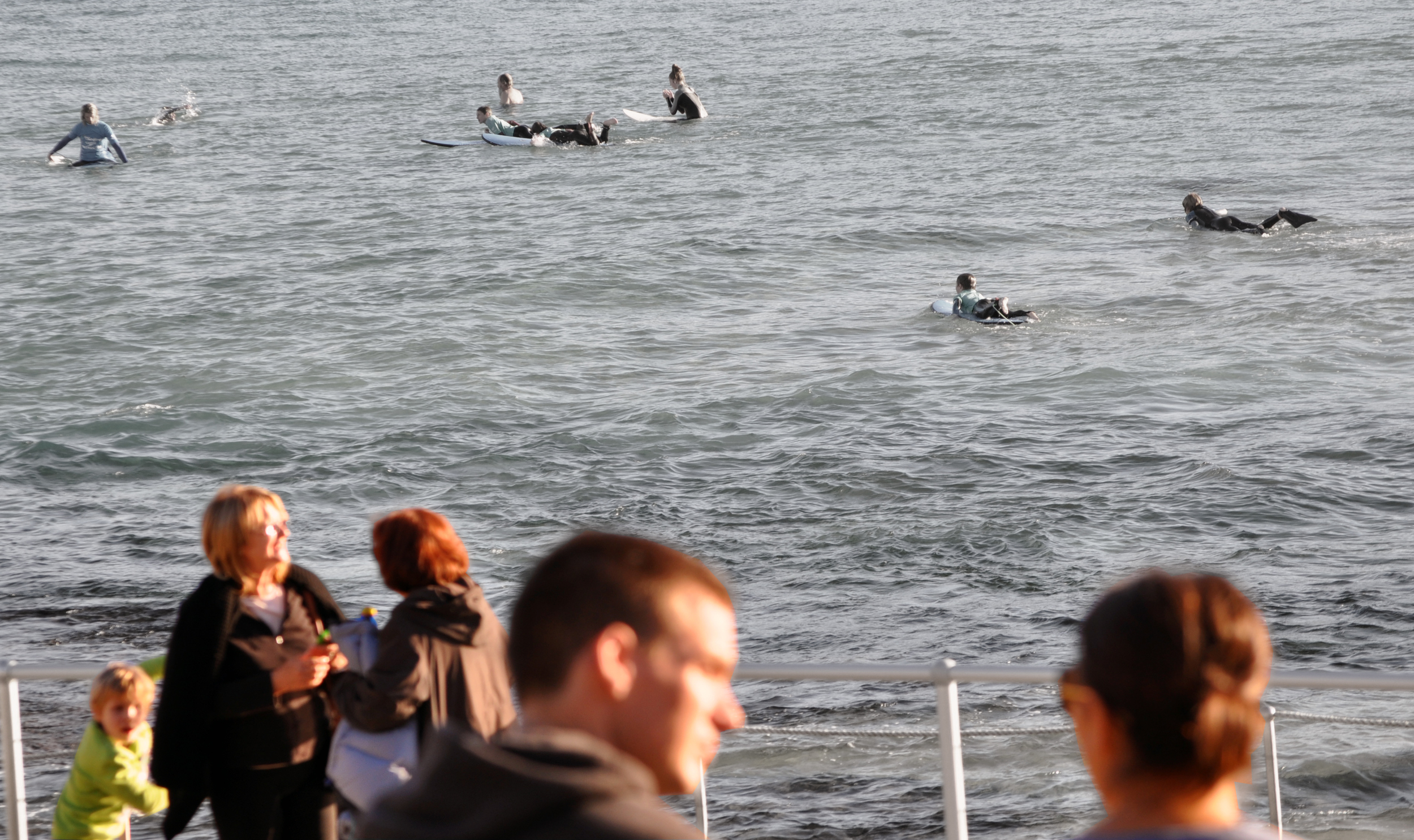
Surfers catching late afternoon swell.
Bondi has never peaked. It has never been too crowded, nor has it ever become overdeveloped. Transport to Bondi is difficult, parking is a nightmare and developers have never stood a chance. Sometimes you have to be cruel to be kind.
Without a train line or multi-storey apartments, Bondi has managed to stave off Gold Coast-style developments that have been occurring across Australian coastlines. In doing so, it has managed to hold on to that small coastal town mentality and laid back vibe - even in the midst of tourist season.
Bondi may have become made famous because of its golden sand and surf breaks, but its the intimate character of its shoreline that has helped to keep it special, and stopped it from expanding at its own peril - like so many other coastal boom towns.
Is this the end of The Sydney's Annandale music venue? /
The Annandale Hotel in Sydney's inner west is a bit an institution. Not only does it support the local music and drinking scene, but being one of the few remaining live music venues left in Sydney, it has also hosted some of the biggest bands in the world.
Read MoreThe life and death of purple sneakers, Sydney /
The Abercrombie Hotel, sitting on the site of the former Australian Hotel, has been a strong part of Sydney’s pub and live music scene for decades. Every Friday night, Purple Sneakers was for a long time, one of Sydney’s most popular clubs.
Cheap booze, live music and an outdoor beer garden kept my friends and I going for years.
While Sneakers has moved on, The Abercrombie vibe remains pretty much the same. But with the Central Park development encroaching from behind, I've begun to wonder, for just how long.
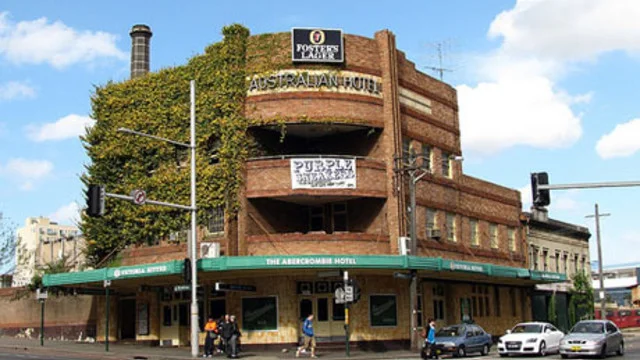
Image courtesy Music Feeds.
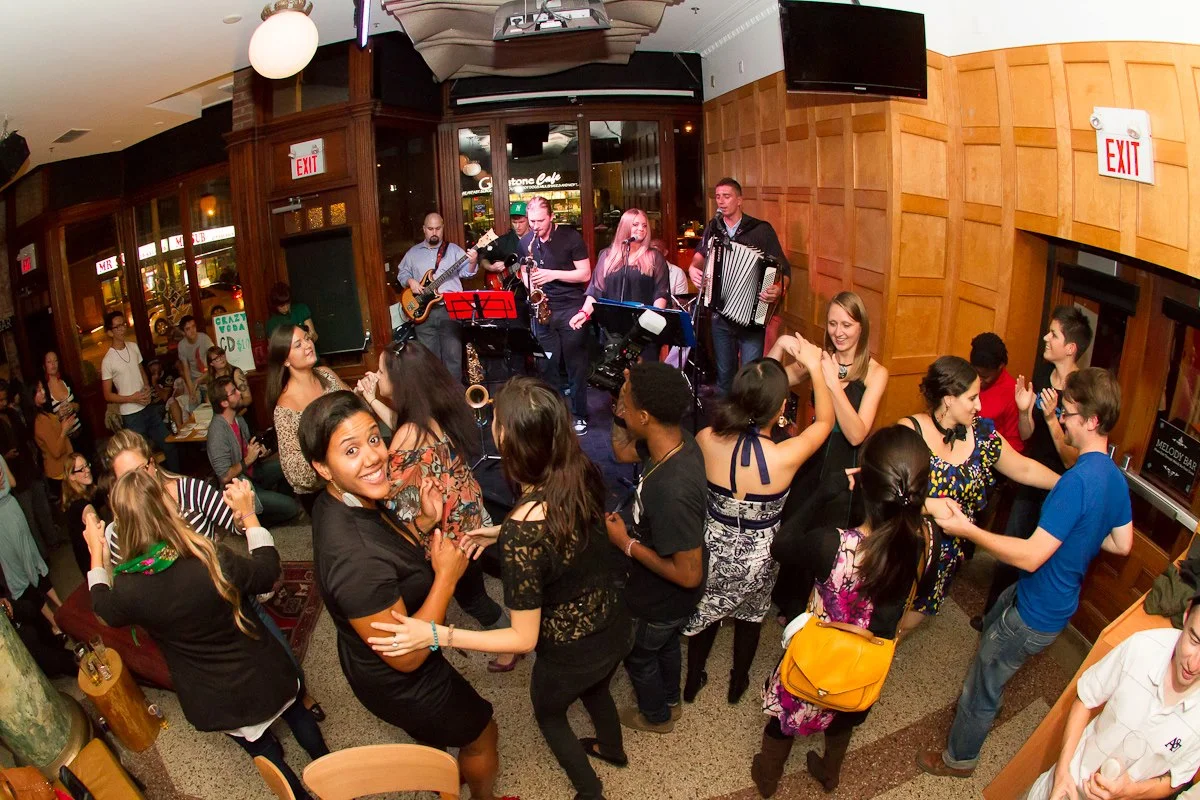
Image courtesy Micromaniac
Central Park is one of the biggest developments Sydney has seen for years, and it'll bring some great benefits to the city as a whole, including open space, independent retail, much needed inner city housing, modern architecture and a much more aesthetically pleasing Broadway streetscape. But as with any new big development, there is a sense of fear that once it is built, the past is gone forever.
Restricted under heritage laws the 1937 hotel is set to remain where it is. It will however, be completely surrounded by apartments - both around and above. It wasn't until I saw this development in the flesh that I really began to think about some of the changes that this mammoth new construction will bring to the area, and more specifically, to the pub itself.

Image courtesy Central Park.
Will people still want to drink there when it’s surrounded by multi-million dollar apartments? Will the new residents complain about late night noise and impose a curfew? Will The Abercrombie still have grotty toilets, sticky floors and the smell of stale booze engrained in its walls?
It’s hard to imagine this place five years down the track. With The Abercrombie buried beneath the floorboards of wealthy financiers, Purple Sneakers will be all but a distant memory.
Our city is evolving right in front of our eyes. Hundreds of years of history can be altered or destroyed in a number of days. While change is good for a city, it's also important to remember that there's nothing wrong with a bit of nostalgia.
As Central Park begins to engulf The Abercrombie, we're in the process of watching history unfold. For better or for worse - Broadway will never look or feel the same.
Floating favela graffiti, são paulo /
The artists, whose name comes from the Portuguese for 'buena mezcla' ('good mixture'), worked with residents to paint and reface the winding 'vecos' and 'vielas' of the favela with uplifting messages.
Read More+Pool, New York /
+Pool is a really cool incentive to build a pool on New York's Hudson River, which will at the same time, filter the river's water like a "giant strainer dropped in the water".
Read MoreRe-thinking Architecture in Manilla /
As much as I love a cool bit of design for the sake of design, I'm much more interested in design which innovates the way we live. Today, we are faced with major environmental challenges, and it's important that everything we create seeks to improve the world we live in - even if these ideas are super simple.
Read MoreWhen I Checked out Sihanoukville: A City In Transition /
On a trip down to Sihanoukville in Southern Cambodia in 2010 I was overwhelmed at just how fast the city seemed to be changing. In front of my eyes huge resorts were being built along the beach, new roads were bulldozing through forests in front of my eyes, and coffee shops and bars were booming.
Read MoreIs Rotterdam's architecture ambitious enough? /
With my family heritage deeply embedded in the city of Rotterdam, I was glad to recently learn that for a long time the city has been considered the architectural and high-rise capital of the Netherlands.
Read More
Sydney Bike Paths and the Media /
I've been shocked to read some of the articles written by News Limited and Fairfax Media (particularly by journalist Vikki Campion), which have been blatant attacks on Sydney City Council mayor Clover Moore and other Sydney council's progressive bike path construction programs.
Read More