The first thing I do in a new place isn't open a masterplan or study the demographic data.
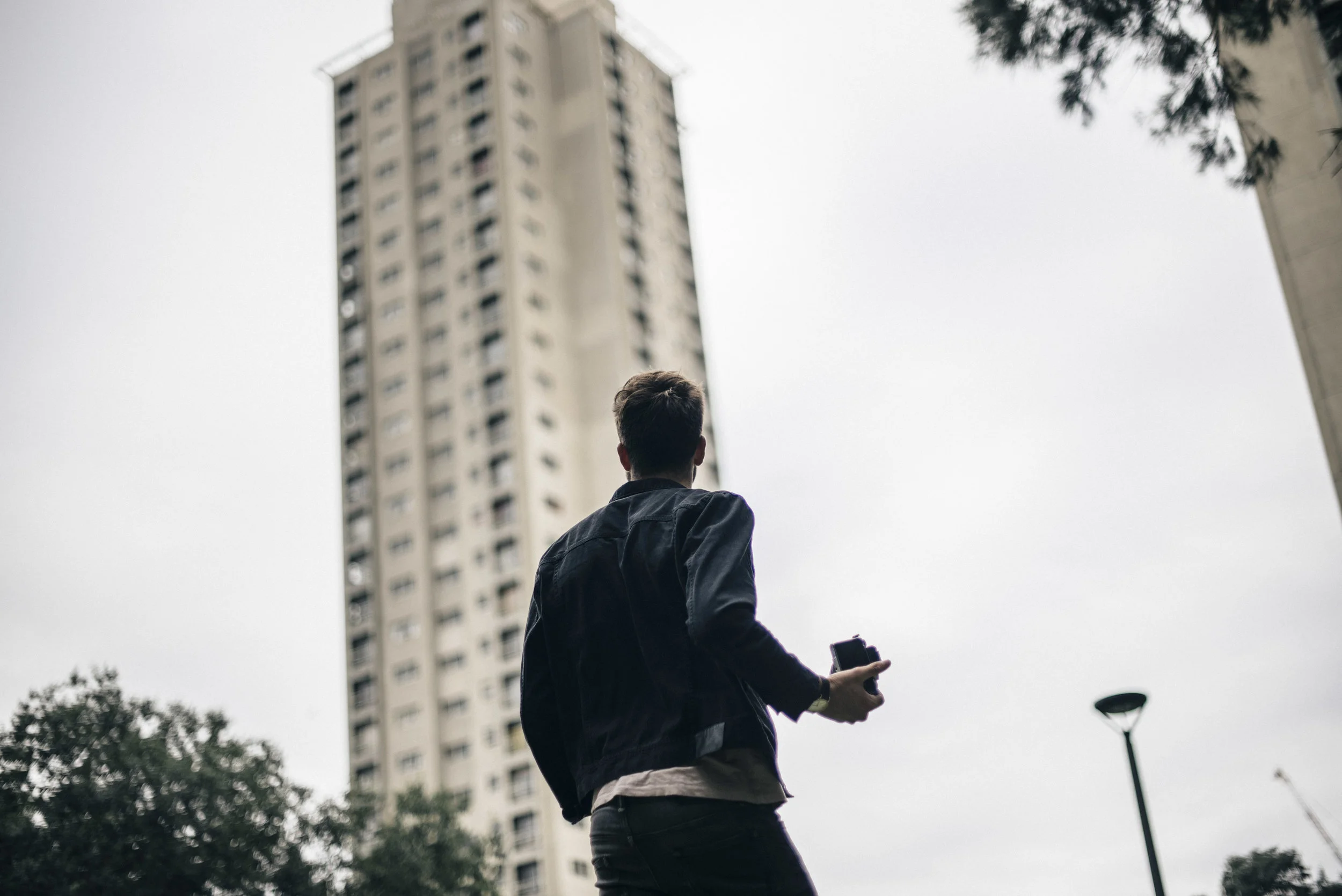
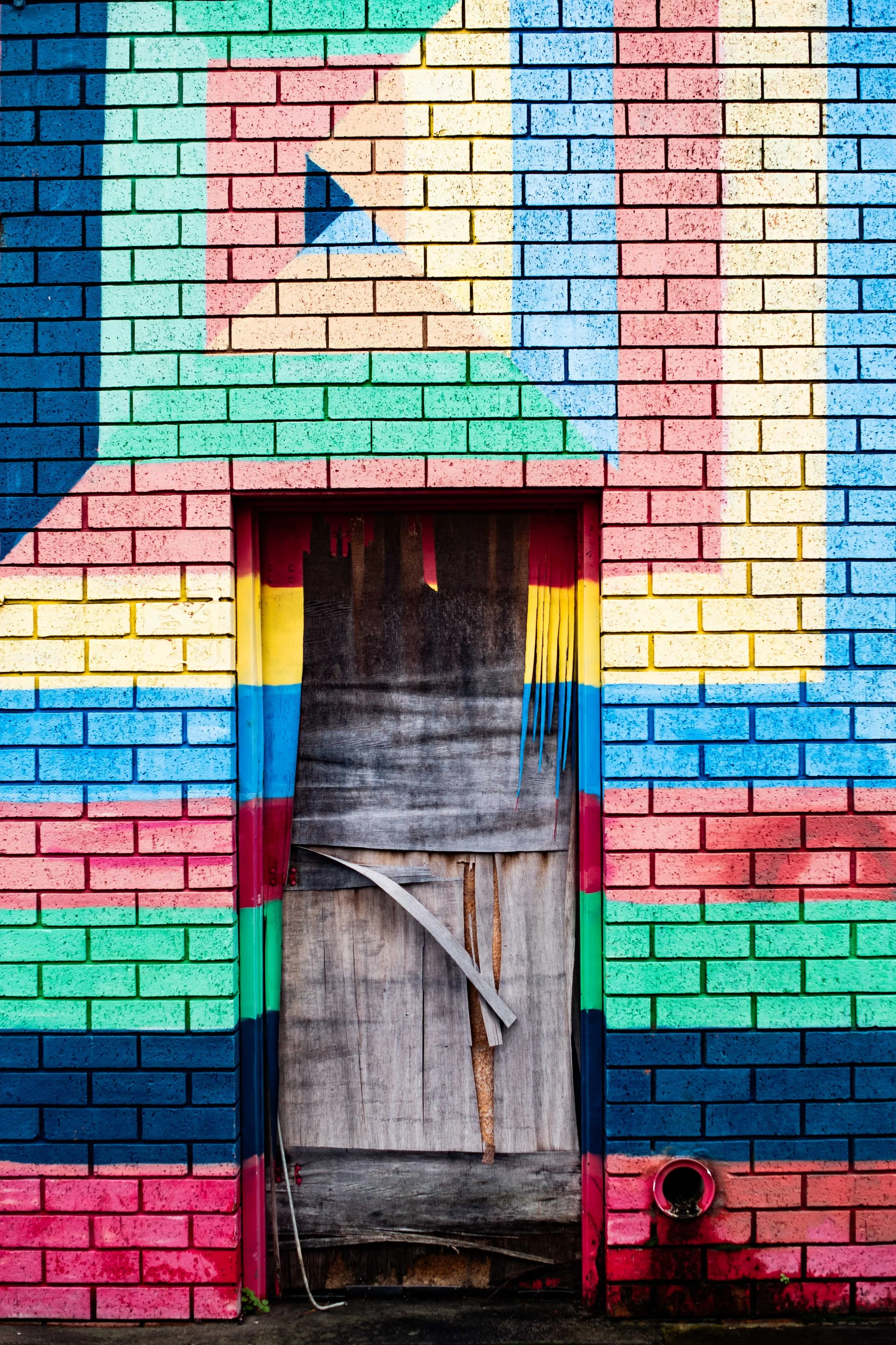
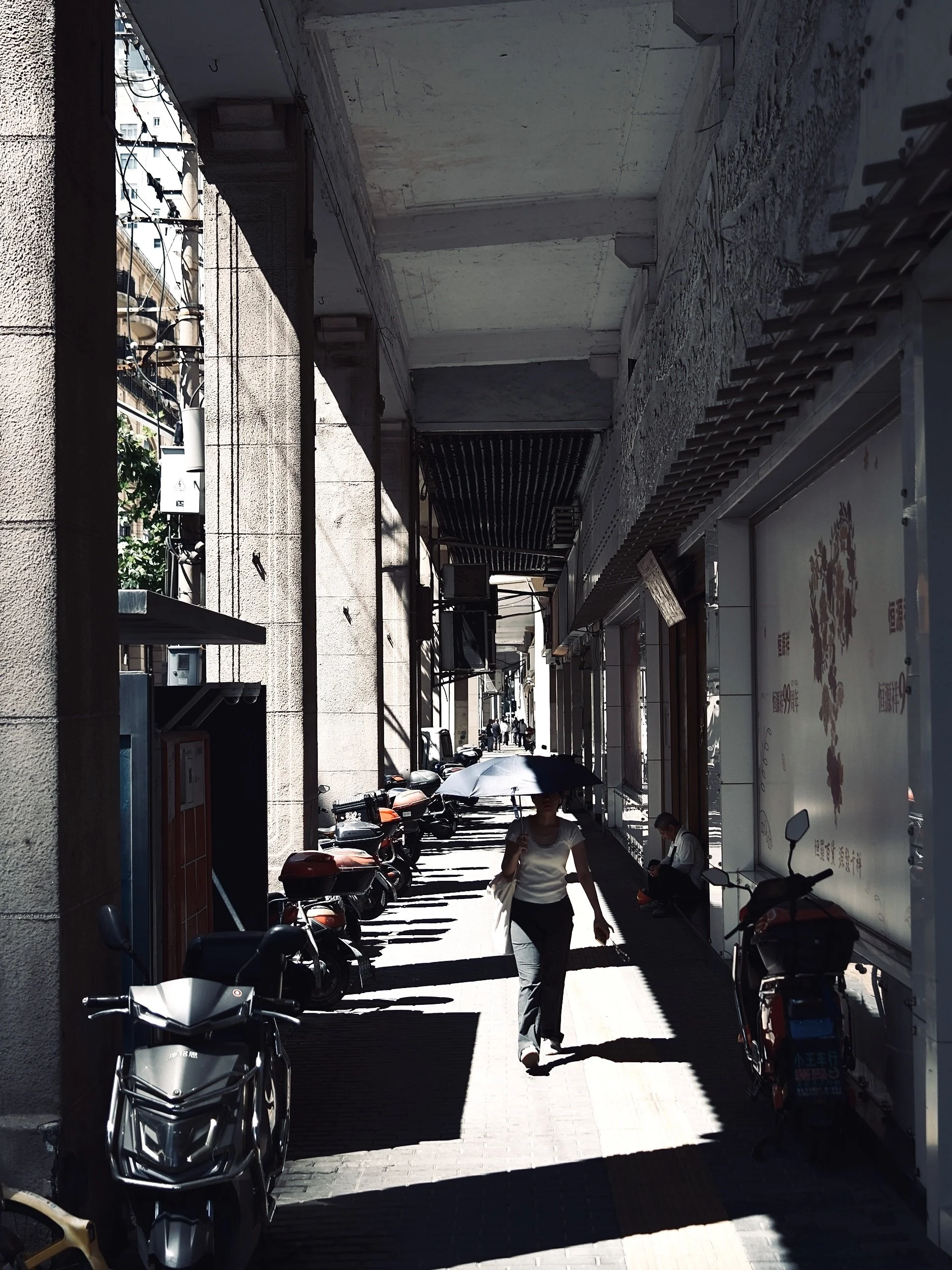
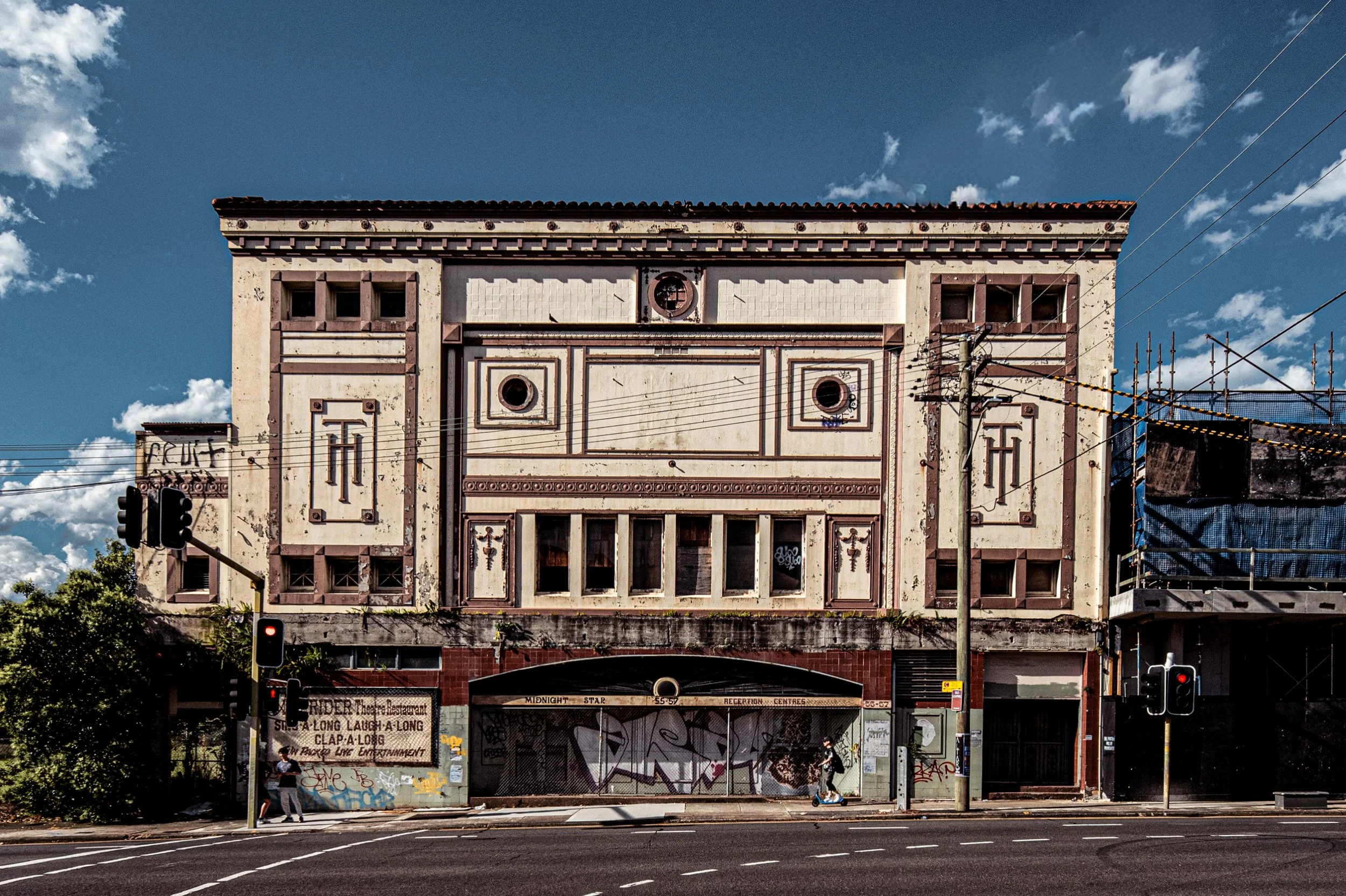
I walk. Usually without much of a plan. I'll stop for coffee, wander into side streets and photograph things that probably seem completely ordinary to everyone else: an old sign, a corner where people naturally gather, a lane that's full of life while another, only a block away, feels strangely quiet. If I can chat with someone about their business, their street or the neighbourhood, even better.
For years, I thought I was simply filling time before the "real work" began. I've since realised this is the work.
Recently I wrote an article for Hoyne about why we're building more homes than ever, but not always places people will remember. The piece argued that identity isn't something added at the end of a project through branding, public art or activation. It's shaped much earlier, through the decisions that influence how a place will eventually be experienced.
But I've found myself thinking about what comes even earlier than that. Before we shape a place's future, surely we should understand what already makes it different.
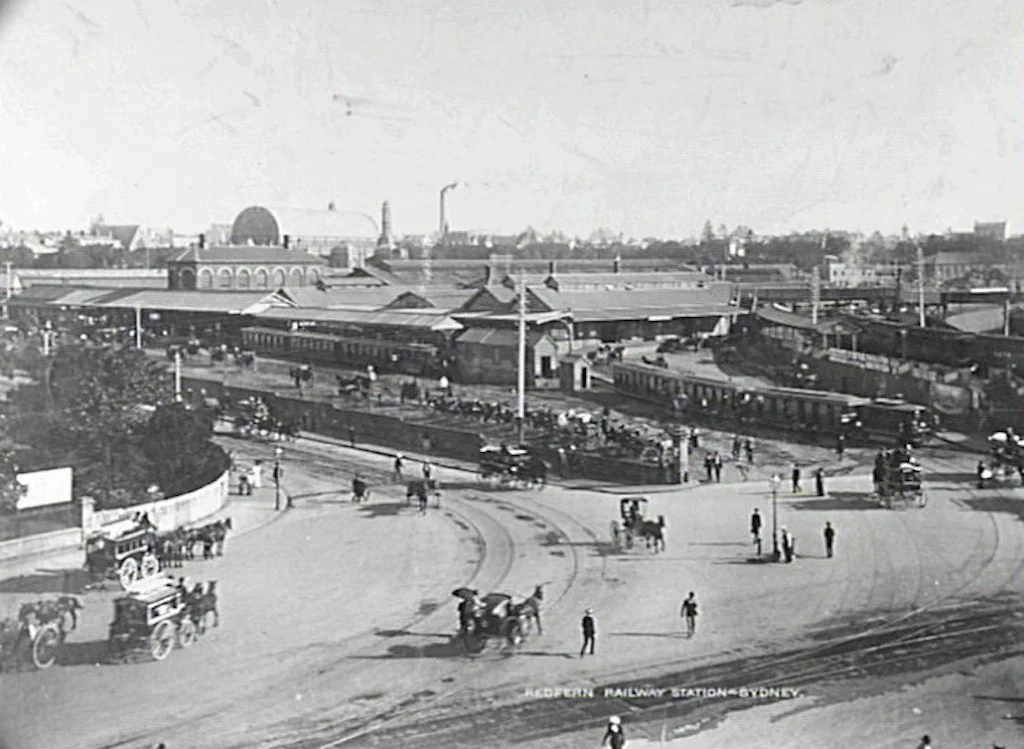
Every place is already telling a story. Not necessarily the polished version that ends up in a project vision or marketing campaign, but the one that's been developing over decades. It's found in the businesses that survived when everything around them changed, in the shortcuts locals take without thinking, in the café where the owner knows half the customers by name, in old photographs tucked away in a library archive, and in conversations with people who've watched a neighbourhood evolve over generations.
It's tempting to dismiss these things as nostalgia. I don't think they are. They're often the clues to what gives a place its point of difference.
As planners and designers, we're trained to solve problems. We produce frameworks, strategies, diagrams and masterplans. They're all important. But I think our first responsibility is something much simpler: to pay attention, to be curious and to ask better questions.
Why do people care about this place?
What would disappear if it were gone?
What makes this place unlike anywhere else?
The answers are rarely found in an office. More often, they're uncovered by walking, looking closely and being genuinely curious about the place that's already there.
Perhaps that's why I've always been drawn to photography. A camera has a way of slowing you down. It encourages you to notice details you might otherwise walk straight past. The same is true of writing. Both are, in their own way, exercises in paying attention.
The more projects I work on, the less I believe our job is to invent identity. I think our job is to discover what already gives a place its point of difference, and then make sure we don't accidentally design it out.
Looking back, I think I was doing this long before I knew it could become a career. For my Year 12 geography project, while most of the class researched from behind a computer, I rode around Balmain with a camera, interviewed the local firefighter, searched out old history books and tried to understand why the suburb felt the way it did. At the time, I thought I was simply completing an assignment. In hindsight, I think I was following a curiosity that's never really left me.
Perhaps that's where good place strategy begins.
Not with a masterplan. But with curiosity.






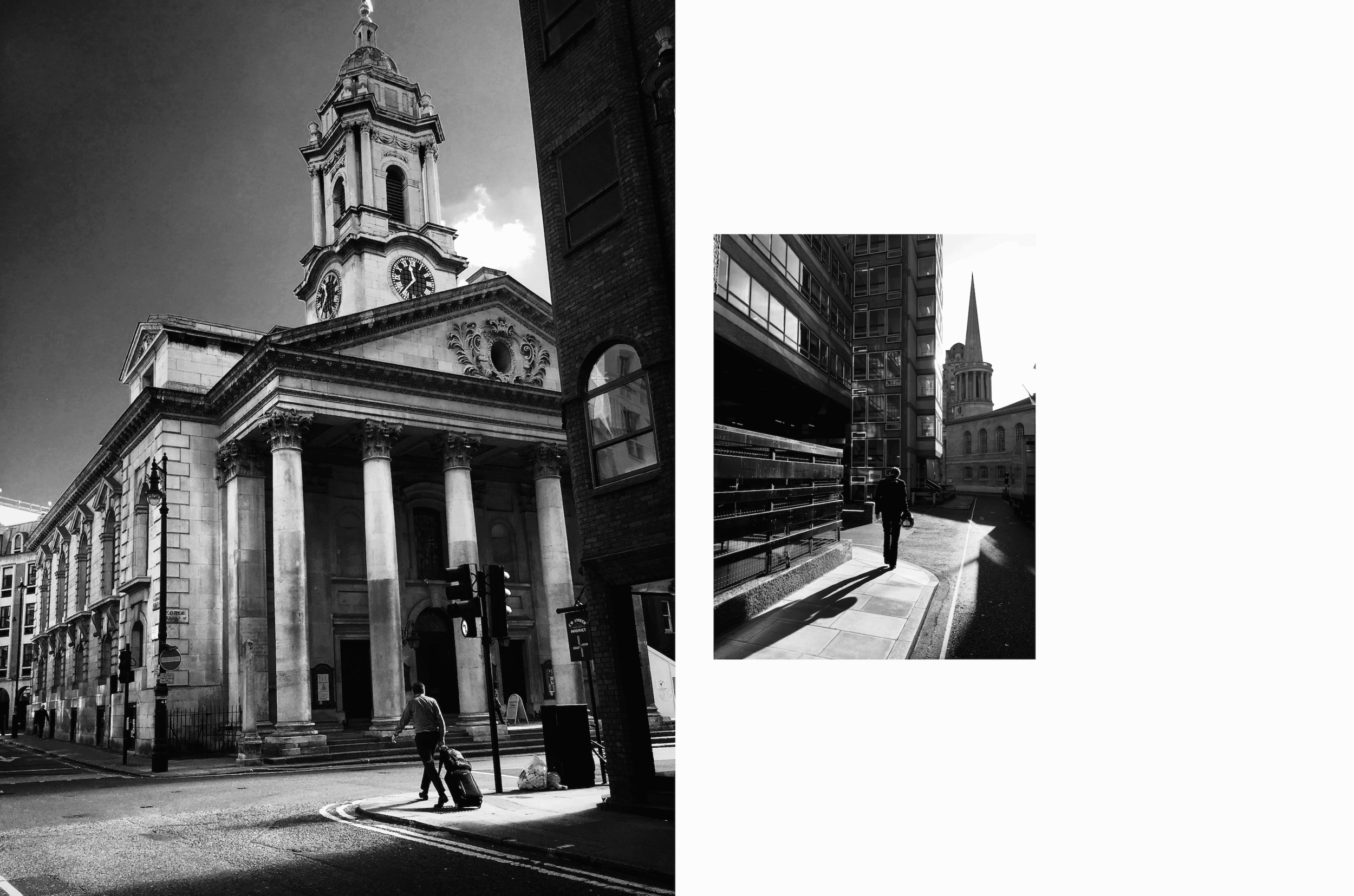
A couple of weeks ago Saal Digital asked me to review one of their book products... Eager to start seeing some of my images in print, it was a great chance for me to self-publish quickly and easily without the hassle of understanding the ins and outs of graphic design and printing.

I sat down with East London based figurative painter Lorna May Wadsworth to talk about her studio space, gentrification and the future of artists in the city.
Photographer
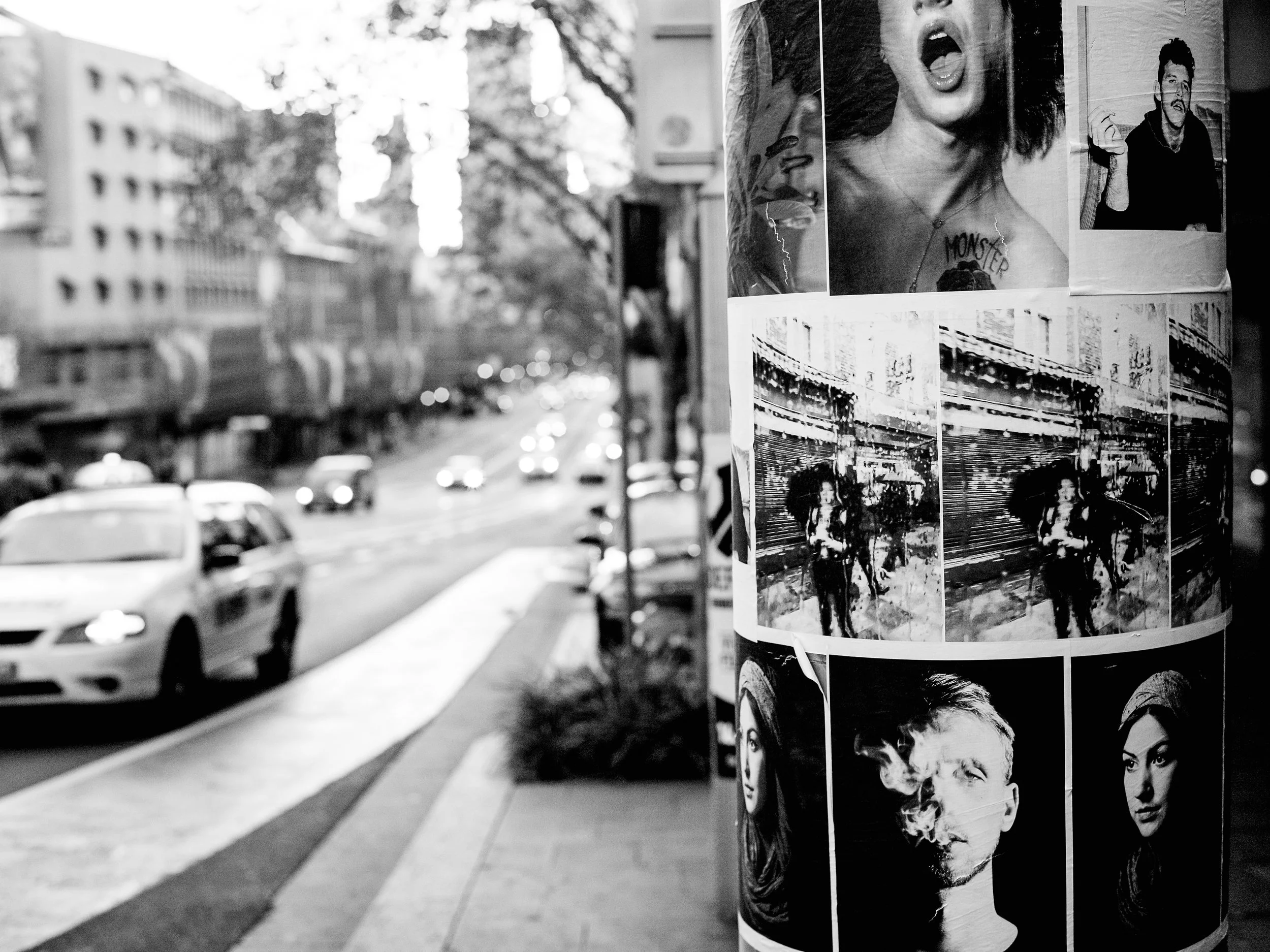
Nicholas Gascoine spent his mid 20's in New York City. There, he would work alongside some of the most prominent fashion photographers, often flying to exotic locations. The move back to Australia had followed an exciting period of work, and Gascoine found the body of water lapping onto Sydney's Eastern beach fronts restorative.

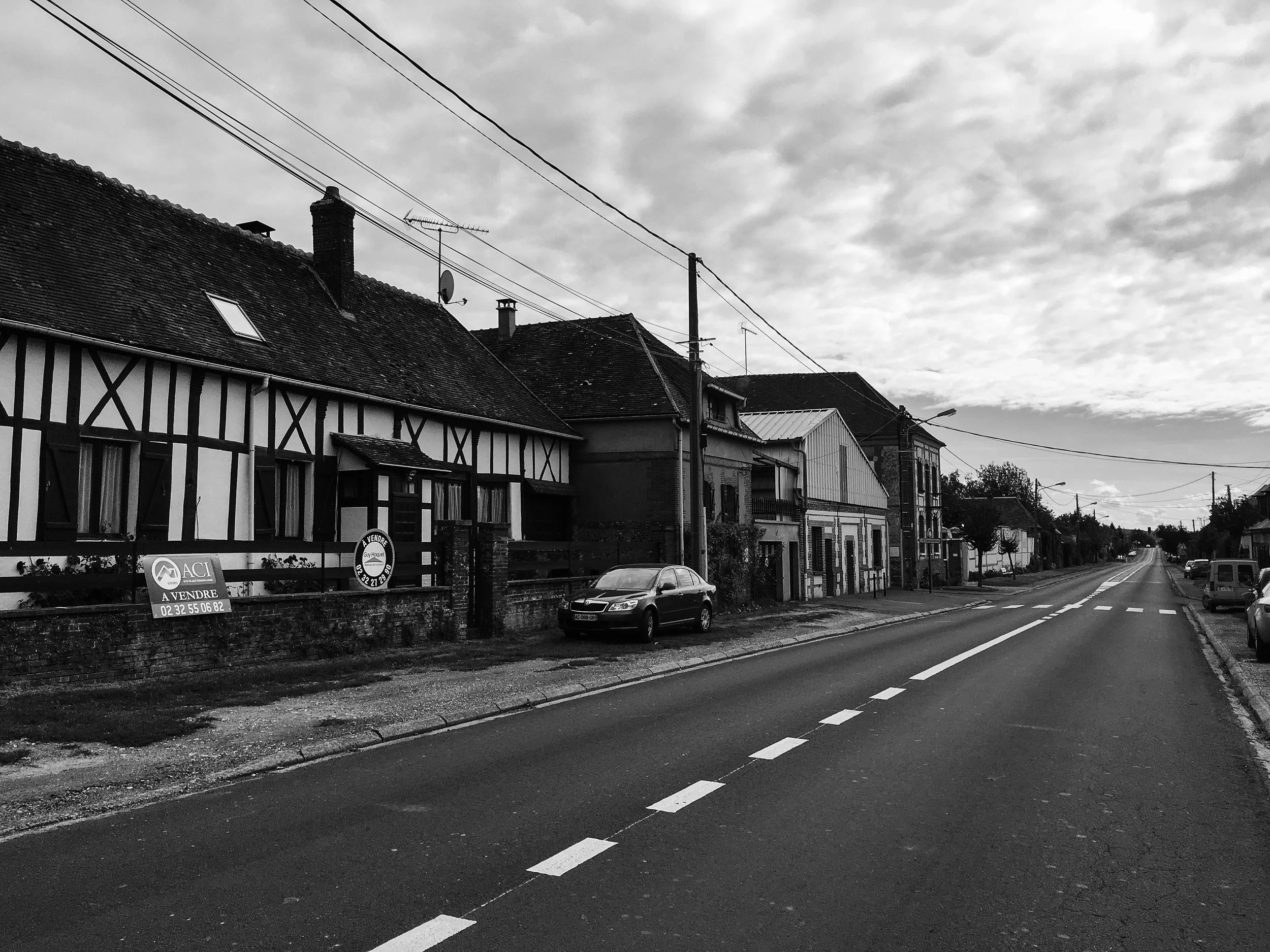
My friend James and I decided that we were going to cycle to Paris... Wasting little time um-ming and ah-hing, we decided to plan for the fastest route (London-Newhaven-Dieppe-Forges-Les-Eaux-Pontiose-Paris) and a couple of weeks later we were off. A quick run down below with some few black and white shots taken en-route ...

Before leaving Sydney, I did a few photography shoots for Sydney’s new 'Neighbourhood Paper'...