We are building a lot of city. Quickly, efficiently, and in many cases, quite well.
New precincts are rising across Australia that meet the codes, deliver the numbers and respond, dutifully, to the pressures of growth. They are dense, considered and technically sound. And yet, for all of this, many of them still don’t feel like somewhere.
You can walk through them and recognise that they work, but struggle to remember them afterwards. They are perfectly functional, often quite beautiful, and oddly forgettable. They could be anywhere. Sometimes, they are.
This is placelessness. Not the absence of design, but the absence of feeling.
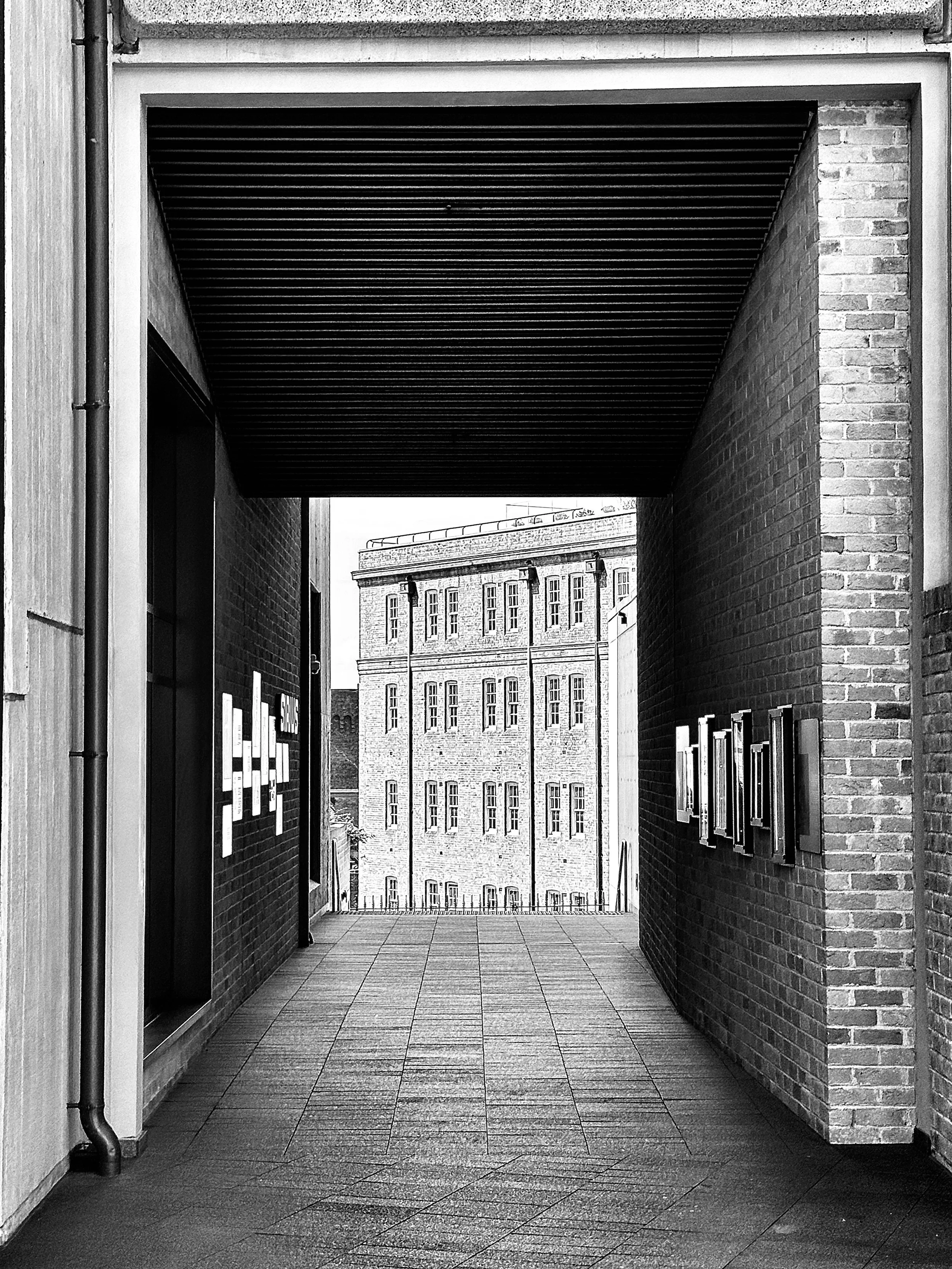
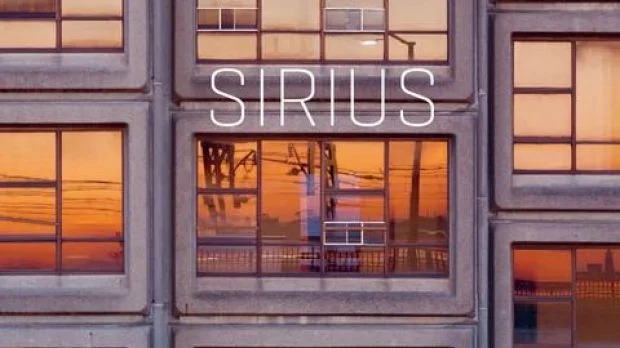
Sirius in Sydney with defining views to heritage.
When we talk about identity in cities, we tend to reach for the visible things. Materials. Architecture. Branding. Public art. Activation. The finishing layer that gives a place its “character”, or at least something to photograph. But by the time we get there, most of the important decisions have already been made.
Identity isn’t something you apply at the end, like a coat of paint or a clever name. It is something you set in motion much earlier, often long before the first building is designed, through the decisions that shape how a place is organised, how it is encountered and how it unfolds over time.
At its core, identity is structural. It sits in the alignment of streets, the framing of views, the positioning of public spaces and the relationships between them. It is in the sequence of movement through a place, the moment you turn a corner and see something unexpected, the pause at an edge, the pull of a destination just out of sight.
It is not just what a place looks like. It is how it reveals itself. And we don’t always give this the attention it deserves. It is easier, after all, to talk about buildings than it is to talk about what happens between them. Easier to focus on objects than on experience. But these early decisions are doing most of the work, whether we acknowledge them or not.
Get them right, and something begins to click. People return, not because they have to, but because they want to. They build routines, recognise others, and begin to feel a sense of familiarity that slowly becomes attachment. Over time, the place becomes part of their daily life, and then part of their identity.
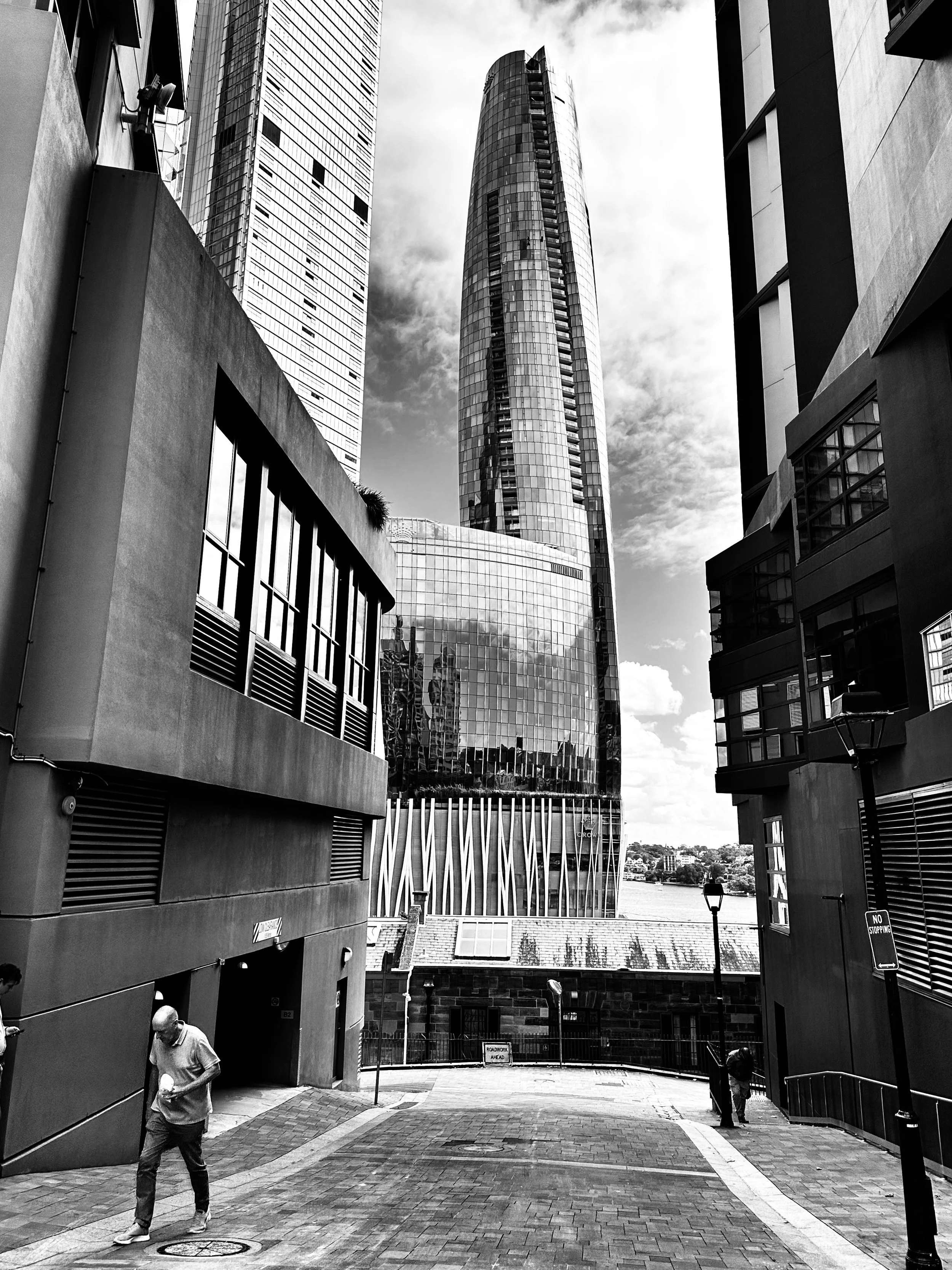
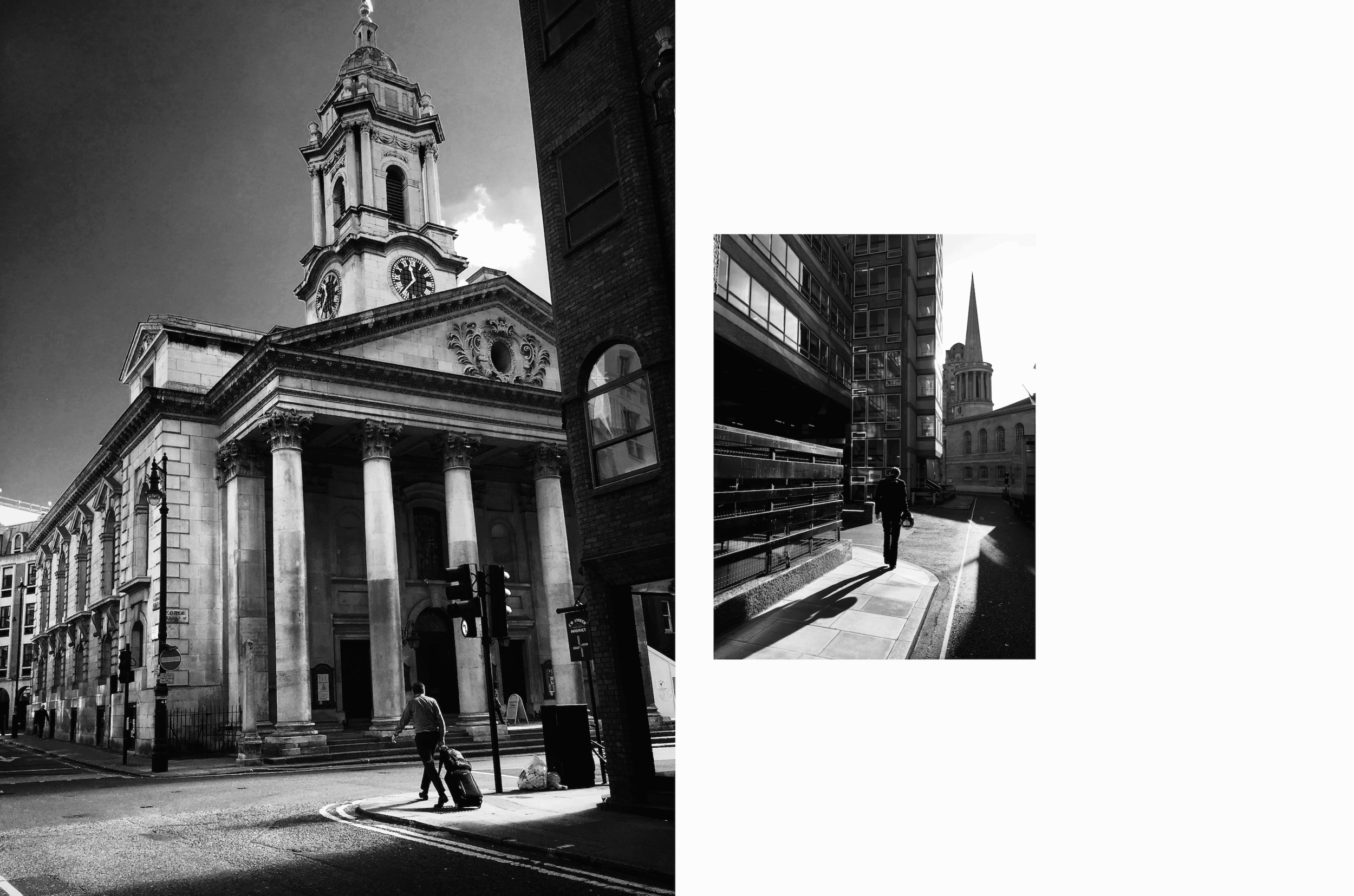
Framed view of One Barangaroo
Get them wrong, and no amount of design refinement, branding or late-stage activation can quite fix it. You can dress it up, but you can’t change what it is.
As our cities grow denser, this matters more than ever. We are asking more of our neighbourhoods, and in turn, people are expecting more from them. The public realm is no longer incidental. It is where life happens, or doesn’t.
And increasingly, it is what people are willing to pay for.
Places that feel like somewhere behave differently. They hold attention. They build attachment. They create distinction in a crowded market and sustain relevance over time. Placeless places, however well executed, struggle to do any of this.
If we want better outcomes, we need to shift how we think about identity. Not as something layered on at the end, but as something embedded from the beginning, in the structure of the place itself. Because identity isn’t delivered at completion.
It is decided much earlier than we think.